✨ VS Analyze · VacuumSpain comparison technology. AI-generated explanation based on verified technical data.
Introduction
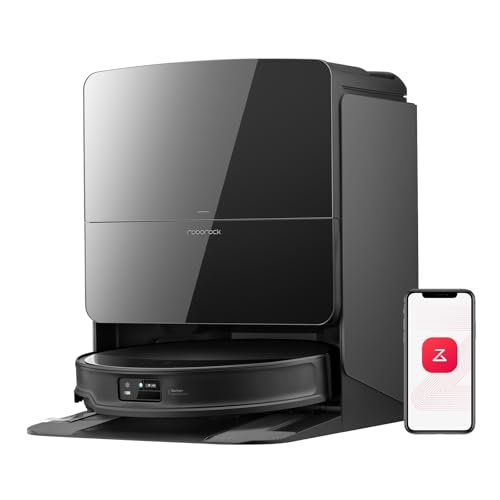
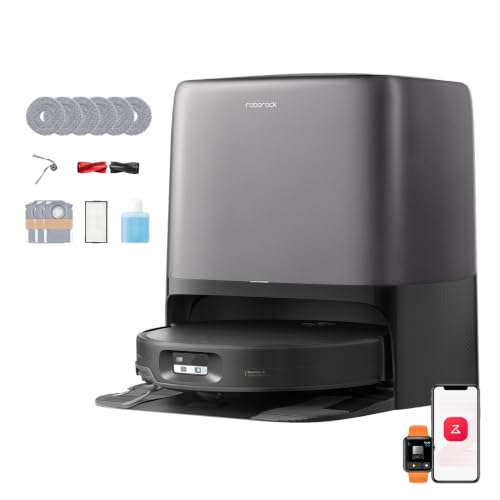
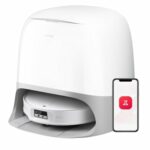
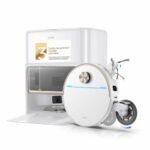
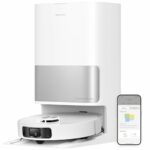
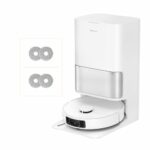
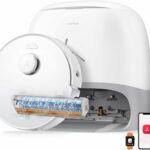
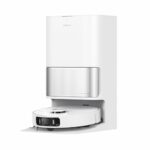
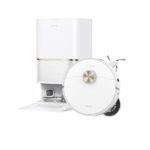
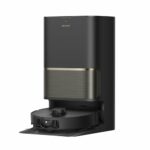
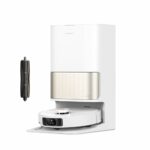
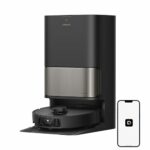
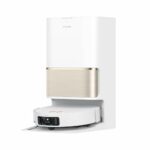
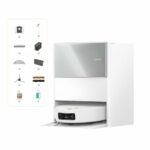
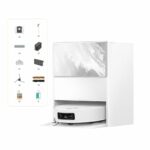
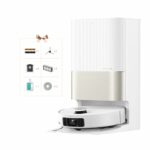
The Roborock Saros 10R and Roborock Saros 20 Neo are two high-end models in the range of one of the world's leading robot vacuum brands. Both feature multifunction docks that wash and dry the mop pads with hot water and air, along with advanced navigation and AI-powered obstacle recognition systems. The Saros 10R arrived in 2025, while the Saros 20 Neo was introduced in September 2026.
These models are designed for users looking for fully automated home cleaning, with the ability to manage both vacuuming and mopping with minimal intervention. AI cameras, 3D sensors and docks capable of washing the mop pads with hot water firmly place both models in the premium segment.
Suction Power and Vacuuming
The most noticeable difference in vacuuming performance is clear: the Saros 20 Neo delivers almost twice the suction power of the Saros 10R. With 36,000 Pa compared with 18,500 Pa, the Roborock Saros 20 Neo has greater potential to remove embedded dirt from carpets and pick up heavier debris. In practice, this can provide better results on textile surfaces and in homes with pets that shed heavily.
Both robots feature Roborock's DuoDivide anti-tangle brush system, specifically designed to guide hair and pet fur towards the central suction opening without allowing it to wrap around the brush. This type of brush is particularly useful in homes with pets. Both models can lift the main brush while mopping, keeping it dry and helping achieve better results on hard floors.
An extendable side brush is available on both models, improving cleaning along corners and skirting boards. However, the Saros 10R also lifts its side brush while mopping, a feature that the Saros 20 Neo does not offer. This allows the Saros 10R to avoid dragging dirty water with the side brush while cleaning the floor.
Mopping
Both robots use two rotating mop pads operating at 200 RPM and feature lateral extension for improved edge cleaning. The difference lies in the pressure applied: the Saros 20 Neo applies 14 N of downward force to the mop pads, a figure that is not specified for the Saros 10R but suggests greater scrubbing ability on stubborn stains.
Both models lift their mop pads between 15 and 22 mm when carpets are detected and can automatically leave the mop pads behind at the dock when vacuum-only cleaning is required. Dirt detection on both the mop pads and the floor is available on both models, allowing them to revisit areas that require additional cleaning.
Both robots mop using warm water, helping dissolve grease and dirt. Their multifunction docks wash the mop pads with hot water, but there is an important difference: the Saros 20 Neo reaches 100°C during mop washing, compared with 80°C on the Saros 10R. Higher temperatures can provide more thorough mop hygiene.
Drying temperatures also differ: hot air at 55°C on the Saros 20 Neo and 45°C on the Saros 10R. Faster drying at a higher temperature can reduce the risk of unpleasant smells and bacterial growth. The Saros 20 Neo also self-cleans its wash tray with 100°C water, while the Saros 10R uses the 2.0 self-cleaning system without a specified temperature.
Navigation System
The two models take different approaches to navigation. The Saros 10R uses StarSight 2.0 with dual AI cameras, while the Saros 20 Neo features a retractable LiDAR combined with an RGB camera. Both systems provide accurate mapping and efficient navigation, although the retractable LiDAR reduces the robot's visible height and may make it easier to clean underneath certain pieces of furniture.
A front-facing 3D laser sensor is available on both models, although the Saros 20 Neo specifically uses structured light. This technology allows the robot to detect obstacles more accurately and recognise small objects on the floor in advance.
Obstacle recognition shows a substantial difference: the Saros 20 Neo identifies up to 300 types of objects, almost three times the 108 recognised by the Saros 10R. This can improve avoidance of cables, toys, shoes and other everyday items. Both models recognise pets and feature an LED for night vision.
The Saros 20 Neo also adds dedicated curtain detection, helping it avoid becoming tangled in fabrics that reach the floor. Both models allow remote camera access for home monitoring while nobody is at home.
For AI-assisted cleaning, the Saros 10R uses SmartPlan 2.0, while the Saros 20 Neo features SmartPlan 3.0. This newer version provides more refined route planning and improved management of areas with different levels of dirt.
Battery Life and Battery
Both robots use 6,400 mAh batteries, but their claimed runtimes differ significantly. The Saros 20 Neo reaches 256 minutes of continuous operation compared with 180 minutes on the Saros 10R. This difference of more than an hour can be particularly important in large homes or complex layouts.
The longer runtime of the Saros 20 Neo allows it to clean larger areas without returning to recharge, reducing the total time needed to complete a full-home cleaning cycle. In practice, this can make the difference between completing the job in one session or requiring two cycles.
Smart Features
The ability to cross obstacles also differs considerably. The Saros 20 Neo can handle single thresholds of up to 45 mm and double thresholds of 88 mm, while the Saros 10R reaches 30 mm for single thresholds and 40 mm for double thresholds. This can be important in homes with different floor levels, transitions between flooring types or small steps leading to indoor terraces.
Both models include Roborock's own voice assistant as well as compatibility with Alexa and Google Home. This allows the robot to be controlled by voice using either Roborock's native system or the most widely used third-party assistants.
Multifunction Cleaning Dock
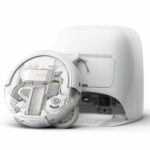
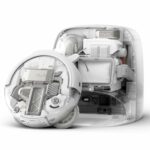
Both docks automatically empty the robot's dustbin, wash and dry the mop pads and include a detergent tank that dispenses cleaning solution during mop washing. The dust bag is slightly larger on the Saros 20 Neo at 2.7 litres compared with 2.5 litres on the Saros 10R. The clean- and dirty-water tanks have the same capacities on both models: 4 litres and 3 litres respectively.
Neither model includes an integrated plumbing connection or offers an optional connection kit, so the water tanks must be manually filled and emptied. Neither model includes UV disinfection.
The previously mentioned differences in washing and drying temperatures are the main distinction between the two docks. The Saros 20 Neo uses higher temperatures for mop washing, drying and wash-tray self-cleaning, improving overall hygiene.
Dimensions
The robots are almost identical in size. The Saros 10R measures 353 mm in diameter and 79.8 mm in height, while the Saros 20 Neo measures 352 mm in diameter with the same 79.8 mm height. The one-millimetre difference in diameter is irrelevant in practice.
The 79.8 mm height allows both models to fit underneath most standard sofas and furniture, although it is advisable to check the exact clearance in your home before purchasing.
The docks differ slightly in size. The Saros 10R dock measures 381 mm wide, 488 mm high and 475 mm deep. The Saros 20 Neo dock measures 402 mm wide, 494 mm high and 450 mm deep. In short, the Saros 20 Neo dock is slightly wider and taller but less deep. These differences have little impact on the overall installation space required.
Real-world user experience
For larger homes, the Saros 20 Neo offers clear advantages: longer runtime, higher suction power and better obstacle-crossing capability. The additional 76 minutes of runtime can be decisive when cleaning more than 150 square metres in a single session.
In homes with pets, both robots feature the DuoDivide anti-tangle brush, but the additional suction power of the Saros 20 Neo makes it easier to remove pet hair embedded in carpets and rugs. Recognition of up to 300 types of obstacles can also help it avoid pet toys and other items commonly left on the floor.
Mopping is more capable on the Saros 20 Neo thanks to the 14 N of pressure applied to its mop pads and the 100°C mop washing, helping ensure cleaner pads during each cycle. For users who prioritise mopping over vacuuming, these differences are particularly relevant.
The Saros 10R offers the advantage of lifting its side brush while mopping, preventing it from dragging dirty water, although this feature is likely to have a limited impact on overall cleaning results. Its StarSight 2.0 dual-camera system also provides excellent navigation, although the Saros 20 Neo offers broader obstacle recognition.
Both models require similar maintenance: emptying the dirty-water tank, refilling the clean-water tank and replacing the dust bag periodically. Automatic wash-tray cleaning reduces the amount of manual dock cleaning required.
Conclusion: Which one should you choose?
Choose the Roborock Saros 10R if you want a high-end robot vacuum with an excellent balance of features and price, your home is no larger than around 120-130 square metres and you do not need to cross thresholds higher than 30 mm. The StarSight 2.0 dual-camera system and liftable side brush during mopping provide useful additional features. Its 18,500 Pa suction power is sufficient for most homes without long-pile carpets.
Choose the Roborock Saros 20 Neo if you live in a large home that requires more than three hours of continuous cleaning, have thick carpets or pets that shed heavily, or need to cross higher thresholds and obstacles. Its 36,000 Pa suction power, recognition of 300 types of obstacles, 100°C mop washing and ability to cross single thresholds up to 45 mm make it the more complete option. It is also the better choice if you prioritise mopping performance, thanks to its 14 N mop pressure and higher washing and drying temperatures.