✨ VS Analyses · VacuumSpain comparison technology. Explanation created with AI from verified technical data.
Introduction
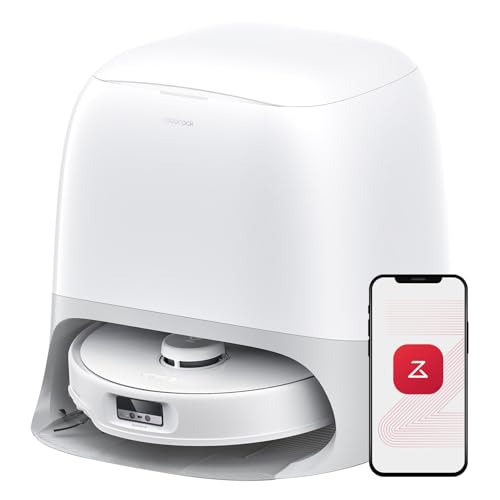
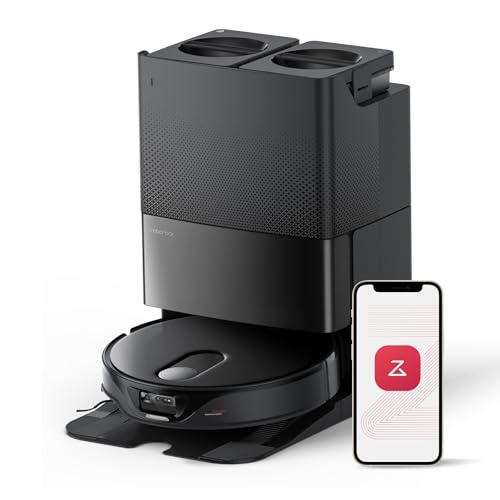
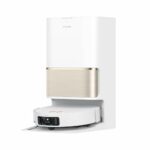
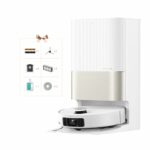
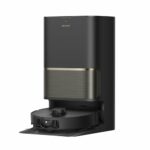
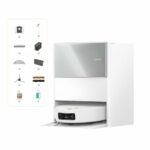
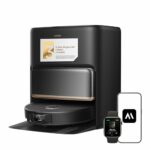
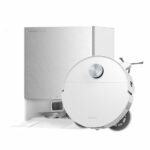
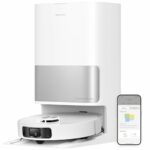
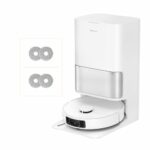
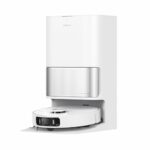
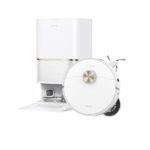
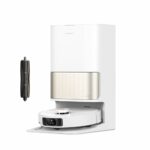
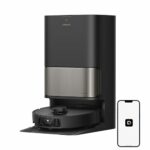
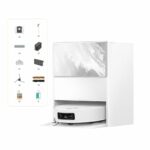
The Roborock Qrevo Curv and Roborock Qrevo Slim represent two distinct approaches within Roborock's 2024 lineup. Both models feature advanced mopping capabilities with multifunctional bases, but they're engineered for different priorities. The Qrevo Curv focuses on raw power and obstacle navigation with its adaptive chassis, whilst the Qrevo Slim prioritises a compact profile that slips under low-clearance furniture. Understanding which design philosophy suits your home better will determine which model delivers the best results.
These aren't entry-level machines. Both come equipped with dual rotating mopas, hot water mop washing, and dual AI cameras for obstacle recognition. The real question is whether you need the Curv's extra muscle and terrain-handling abilities, or if the Slim's ultra-low height and streamlined footprint better match your cleaning challenges.
Suction Power and Brushwork
The difference in suction strength is substantial. The Qrevo Curv delivers 18,500 Pa, making it one of the most powerful robot vacuums available in 2025. The Qrevo Slim operates at 11,000 Pa, which remains competitive but clearly positions this model as the less aggressive option for deep carpet cleaning or heavy debris pickup.
When it comes to brush design, the Curv uses the DuoDivide Anti-enredos system, specifically engineered to channel hair and fibres toward the central suction point whilst minimising tangles. The Slim features a double brush configuration without the same anti-tangle refinement. In households with pets or long hair, this distinction becomes relevant over time.
Both models raise their main brushes during mopping and feature extendable side brushes for corner coverage. However, only the Qrevo Curv includes an anti-tangle side brush. The Slim's side brush lacks this feature, which could mean more frequent maintenance if you're dealing with hair accumulation along skirting boards.
Mopping Performance
Both robots use dual rotating mopas with edge extension, allowing them to reach closer to walls and into corners. Mop elevation differs: the Qrevo Curv lifts its mopas between 10-20 mm depending on the surface, whilst the Slim offers a fixed 10 mm lift. This extra range on the Curv helps when transitioning onto thicker rugs or raised thresholds.
The multifunctional bases on both models wash mopas with hot water and dry them using heated air, which prevents odours and bacterial growth. Both systems also detect dirt on the mopas and the floor, triggering re-washing or additional passes when necessary. Neither model removes the mopas automatically at the base for vacuum-only sessions, so you'll need to detach them manually if you want pure vacuuming without mopping.
Water temperature during floor mopping remains cold on both units. The hot water function applies only to mop cleaning within the base, not to the actual floor scrubbing process.
Navigation Systems
The Qrevo Curv employs Torreta LiDAR 3D, a top-mounted laser navigation system that scans the environment from an elevated position. The Qrevo Slim uses StarSight 1.0, a navigation approach that keeps the laser assembly lower to accommodate the reduced height. Both systems include dual AI cameras, 3D laser sensors at the front, and LED lighting for low-light operation.
Interestingly, the Slim recognises 73 different obstacle types, compared to 62 on the Curv. This suggests Roborock has refined the object database in the Slim's firmware, though both models handle pet recognition and allow remote camera access through the app. Neither detects curtains specifically.
AI-driven cleaning differs between the two. The Curv runs SmartPlan 2.0, whilst the Slim uses SmartPlan 1.0. Practically speaking, this means the Curv may offer more nuanced room-by-room strategies and adaptive cleaning patterns, though both systems learn and optimise over time.
Battery Life and Coverage
The Qrevo Curv packs a 6,400 mAh battery, delivering up to 240 minutes of runtime. The Slim's 5,200 mAh cell provides 180 minutes. For larger homes or multi-level cleaning sessions, that extra hour can make the difference between completing the job in one go or requiring a mid-clean recharge.
Neither model specifies maximum recommended floor area in the data, but the extended runtime on the Curv clearly positions it for more expansive properties.
Smart Features
Obstacle climbing capabilities set these two apart significantly. The Qrevo Curv features an adaptive step-climbing system designed to handle complex, multi-level thresholds and uneven transitions. The Qrevo Slim manages obstacles up to 20 mm, which covers most standard door thresholds but won't tackle anything more challenging.
Both models include a built-in voice assistant and support external voice control through Alexa and Google Home. Neither incorporates a robotic arm for advanced object manipulation.
Multifunctional Base
Both bases auto-empty the dust bin, wash mopas with hot water, and dry them using heated air. The Qrevo Curv's base features self-cleaning version 2.0 for the washing tray, whilst the Slim uses version 1.0. This upgrade on the Curv likely improves hygiene and reduces manual intervention.
Dust bag capacity is nearly identical: 2.5 litres on the Curv versus 2.7 litres on the Slim. Clean water tanks hold 4 litres on both, but the dirty water reservoir differs slightly—3 litres on the Curv, 3.5 litres on the Slim. These variations are marginal and unlikely to affect day-to-day use.
Neither base includes a detergent dispenser, UV disinfection, or integrated plumbing connections. No optional plumbing kit is available for either model.
Physical Dimensions
Height is the defining physical difference. The Qrevo Curv stands 103 mm tall, whilst the Qrevo Slim measures just 82 mm. That 21 mm reduction allows the Slim to glide under sofas, beds, and cabinets that the Curv simply cannot access. If your furniture sits low to the ground, the Slim opens up entire cleaning zones that would otherwise require manual vacuuming.
Diameter is virtually identical—352 mm on the Curv, 353 mm on the Slim. Weight isn't specified, but the Curv's larger battery and more complex chassis likely make it heavier.
Base footprints differ considerably. The Curv's base is a compact cube at 450×450×450 mm. The Slim's base is narrower at 340 mm wide but taller and deeper at 521×487 mm. The Curv's base occupies more floor space but keeps vertical clearance lower, whilst the Slim's base is slimmer but reaches higher—something to consider depending on where you plan to position it.
Real-World Use Cases
The Qrevo Curv suits larger homes with varied flooring, pets, and challenging layouts. Its 18,500 Pa suction tackles embedded dirt in carpets, and the adaptive step-climbing system handles multi-level thresholds without getting stuck. The longer battery life means fewer interruptions during whole-home cleaning cycles. The DuoDivide brush and anti-tangle side brush reduce maintenance frequency when dealing with pet hair.
The Qrevo Slim excels in homes where furniture clearance is limited. That 82 mm profile reaches spaces the Curv cannot, making it ideal for modern, low-profile furniture arrangements. The 11,000 Pa suction remains effective on hard floors and low-pile carpets, though it won't match the Curv's performance on thick rugs. The Slim's slightly larger dirty water tank and dust bag offer marginal convenience, and its more advanced obstacle recognition database may prove useful in cluttered environments.
Both models handle hard floors and mopping duties with similar competence. The hot water mop washing and heated drying ensure hygienic maintenance regardless of which you choose.
Conclusion: Which Should You Choose?
Choose the Roborock Qrevo Curv if: you have a large home with multiple floor types, including thick carpets or rugs; you live with pets and want maximum suction power and anti-tangle brushes; your home has complex thresholds or uneven flooring transitions; you prefer longer runtime for uninterrupted cleaning; and furniture clearance isn't a limiting factor.
Choose the Roborock Qrevo Slim if: you need a robot that fits under low-clearance furniture like platform beds or modern sofas; your home is primarily hard flooring or low-pile carpet; you value a smaller base footprint in width; you want the latest obstacle recognition database; and you're comfortable with slightly shorter battery life in exchange for better access to tight spaces.
In practice, the Curv is the power user's choice for demanding environments, whilst the Slim prioritises access and compactness without sacrificing core mopping and navigation intelligence. Both represent strong options within Roborock's 2024 range, and the right pick depends on whether brute force or slim design better matches your home's layout and cleaning challenges.