✨ VS Analyses · VacuumSpain comparison technology. Explanation created with AI from verified technical data.
Introduction
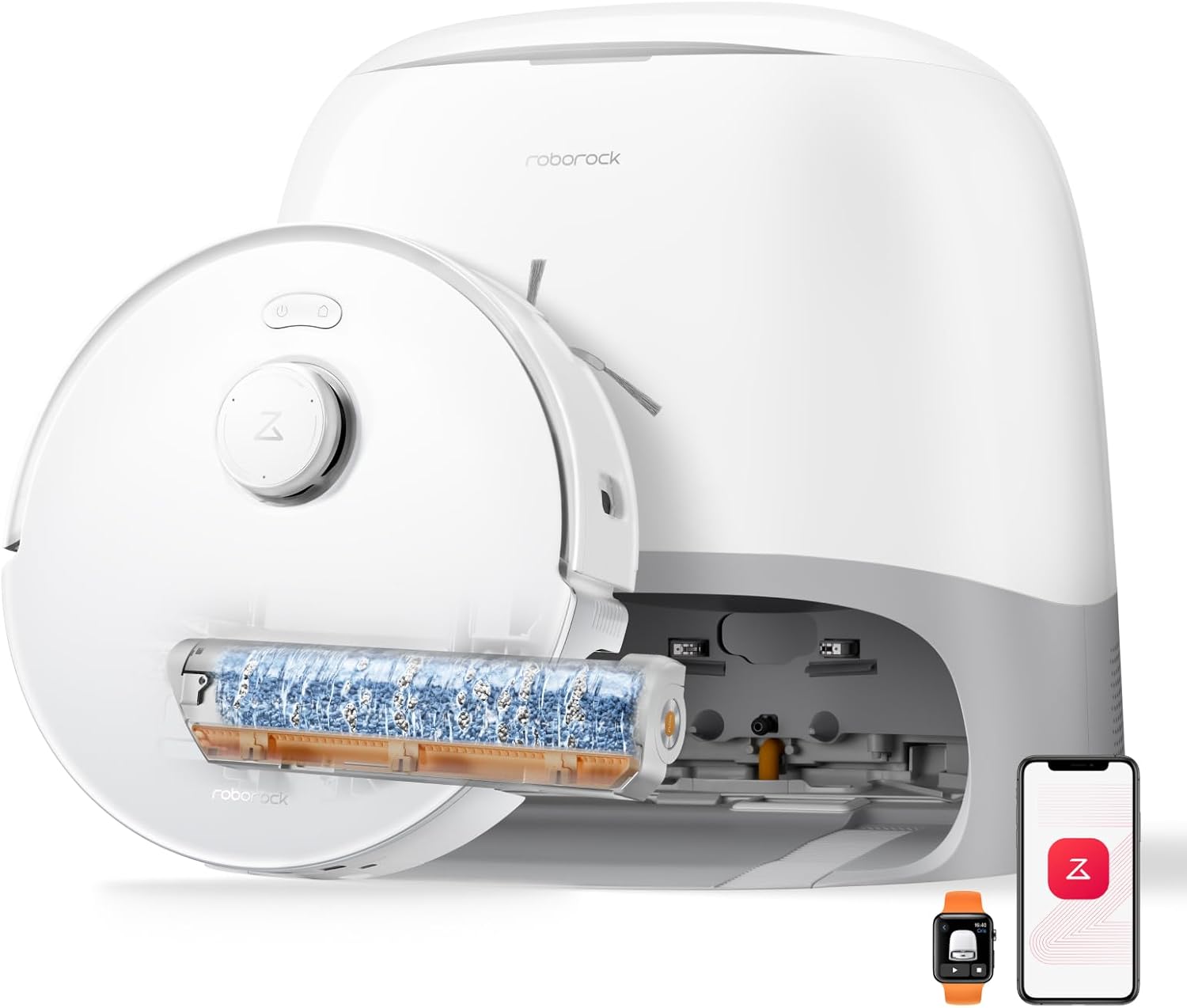
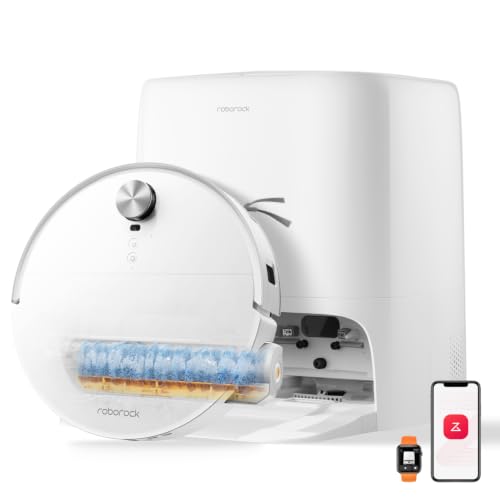
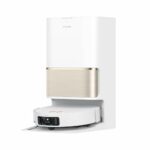
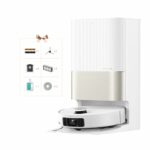
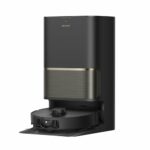
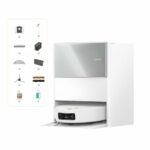
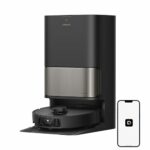
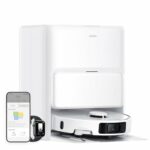
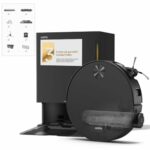
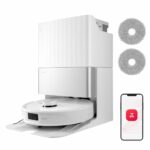
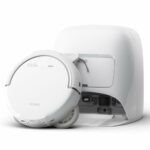
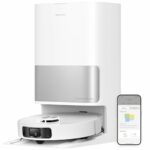
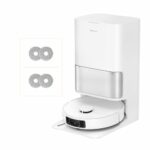
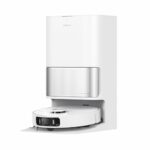
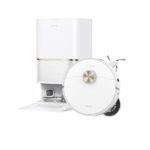
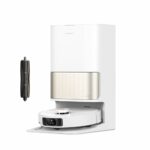
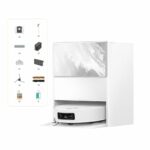
The Roborock Qrevo Curv 2 Flow and Roborock Qrevo Edge 2 Flow are two high-end robot vacuums with mopping from Roborock. Both models feature a fully multifunctional dock, laser navigation and advanced AI systems for obstacle and stain recognition.
The Qrevo Curv 2 Flow arrived in February 2026, while the Qrevo Edge 2 Flow was introduced in August of the same year. Although they share many technologies, their technical differences create distinct usage profiles: one focuses on stronger obstacle-crossing capability with a traditional laser turret, while the other prioritises a lower design with retractable laser navigation that allows it to fit more easily underneath furniture.
Suction Power and Vacuuming
The difference in suction power is substantial. The Qrevo Edge 2 Flow offers 35,000 Pa, significantly more than the 20,000 Pa of the Qrevo Curv 2 Flow. This difference can translate into more effective removal of embedded dirt from carpets and improved pickup of heavier or stuck-on particles.
Both robot vacuums use Roborock's DuoDivide anti-tangle main brush system, designed specifically to reduce the build-up of long hair and pet hair. The brush lifts while mopping on both models, preventing it from getting wet and allowing the robot to switch between vacuuming and mopping without manual intervention.
As for the side brush, both models feature anti-tangle technology and lifting capability. However, the Qrevo Edge 2 Flow adds a reversible side brush, improving cleaning around corners and edges by adapting more effectively to different angles and obstacles. The Qrevo Curv 2 Flow, despite having dual side brushes, does not include this reversible functionality.
Mopping
Both models use a 270 mm mopping roller with mop extension to improve edge cleaning. Mop lift reaches 15 mm on both models, with a roller cover system designed to prevent contact with carpets when the robot is vacuuming only.
The Qrevo Edge 2 Flow stands out with a roller spinning at 240 RPM and applying 15N of pressure to the floor, while the Qrevo Curv 2 Flow reaches 200 RPM. The higher rotation speed and pressure provide more intensive mopping, particularly useful for stuck-on stains or floors with greater dirt accumulation.
Both robots feature dirt detection on the mop and the floor, adjusting mopping intensity when required. Their multifunction docks wash the mops using 75°C hot water in both cases, providing deep cleaning and helping improve hygiene during the process.
The difference appears in drying: the Qrevo Edge 2 Flow dries its mop with 63°C hot air, higher than the 55°C used by the Qrevo Curv 2 Flow. This higher temperature speeds up drying and contributes to improved hygiene, reducing the risk of unpleasant odours.
Navigation System
The Qrevo Curv 2 Flow uses a traditional 360° LiDAR turret, which protrudes from the robot's body and provides highly accurate mapping. The Qrevo Edge 2 Flow features retractable 360° LiDAR, allowing the sensor to lower into the robot when not needed and reducing its overall height.
This difference in laser design directly affects robot height: 119 mm for the Qrevo Curv 2 Flow compared with 89.8 mm for the Qrevo Edge 2 Flow. The almost 30 mm difference can be decisive when cleaning underneath beds, sofas or low furniture.
The Qrevo Edge 2 Flow features an RGB camera and a front-facing 3D structured-light laser sensor, a combination that improves precise object identification. It recognises up to 280 different obstacles, expanding on the 200 categories recognised by the Qrevo Curv 2 Flow. It also detects curtains, a feature missing from the other model, helping reduce the risk of getting tangled in hanging fabrics.
Both models include remote camera access, night-vision LEDs and SmartPlan 3.0, Roborock's AI-powered intelligent cleaning system that learns from cleaning habits and optimises routes. Both also recognise pets and stains using artificial intelligence.
Battery Life and Battery
Both robot vacuums use a 5,200 mAh battery. The Qrevo Curv 2 Flow has a claimed runtime of 242 minutes, while this figure is not specified for the Qrevo Edge 2 Flow. Given the second model's higher suction power, it is reasonable to expect greater energy consumption when operating at maximum power, although real-world battery life will depend on the selected cleaning mode and floor type.
Smart Features
Both models can cross obstacles up to 20 mm high, allowing them to handle thick carpets, door thresholds and small level changes without becoming stuck. Both also feature their own built-in voice assistant and compatibility with external assistants such as Alexa and Google Home, making them easy to control using voice commands.
Multifunction Cleaning Dock
Both docks automatically empty the robot's dustbin, wash the mop with 75°C hot water and dry it with warm air. The dust bag has a capacity of 2.7 litres on both models, enough for several weeks without intervention. The clean-water tanks hold 4 litres, while the dirty-water capacity differs slightly: 3.5 litres on the Qrevo Curv 2 Flow and 3 litres on the Qrevo Edge 2 Flow.
One important difference is the washing tray self-cleaning system. The Qrevo Curv 2 Flow cleans it automatically, while the Qrevo Edge 2 Flow uses a removable tray. This requires periodic manual cleaning but also makes it easier to access the tray for a thorough clean when needed.
Neither model includes a detergent tank, UV disinfection or direct water supply and drainage connection, either built in or through an optional kit.
Dimensions
Both robot vacuums have the same diameter: 353 mm. The key difference is height. At 89.8 mm, the Qrevo Edge 2 Flow can fit underneath furniture that the Qrevo Curv 2 Flow, at 119 mm, would not be able to reach. This advantage is especially useful in homes with low sofas, beds with limited ground clearance or kitchen furniture positioned close to the floor.
The docks also differ. The Qrevo Curv 2 Flow measures 450x450x450 mm, while the Qrevo Edge 2 Flow measures 402 mm wide, 451 mm high and 470 mm deep. In practice, the Qrevo Edge 2 Flow is somewhat narrower but also deeper, something worth considering depending on the available space for the dock.
Real-world user experience
The Qrevo Curv 2 Flow is well suited to medium-to-large homes where furniture height is not a limiting factor. Its claimed 242-minute runtime allows it to cover large areas without needing an intermediate recharge. The DuoDivide system and dual anti-tangle side brushes make it particularly useful in homes with pets, reducing the need for manual brush maintenance.
The Qrevo Edge 2 Flow, with its lower-profile design, is better suited to homes where access underneath furniture is a priority. Its higher 35,000 Pa suction power and more intensive mopping at 240 RPM with 15N of pressure make it a strong option for homes with thick carpets, textured tiled floors or families that need stronger dirt-removal capability. Curtain detection also provides extra peace of mind in rooms with long curtains or sheer fabrics.
Both models share a fully multifunctional dock, helping keep maintenance to a minimum: users mainly need to refill the clean-water tank and empty the dirty-water tank periodically. Automatic mop washing and drying with hot water and air help ensure the robot always mops with a clean and dry roller, reducing unpleasant odours.
Conclusion: Which one should you choose?
Choose the Roborock Qrevo Curv 2 Flow if: you want a Roborock robot vacuum with proven traditional laser navigation, a claimed 242-minute runtime and automatic washing tray self-cleaning. It is a balanced option for homes where robot height is not an issue and where you value the reliability of a conventional LiDAR turret. It is particularly well suited to homes with pets thanks to the DuoDivide brush and dual anti-tangle side brushes.
Choose the Roborock Qrevo Edge 2 Flow if: you need to clean underneath low furniture thanks to its 89.8 mm height, prioritise higher suction power at 35,000 Pa and want more intensive mopping at 240 RPM with 15N of pressure. Its RGB camera, front 3D structured-light laser sensor and recognition of up to 280 obstacles, including curtains, make it the best robot vacuum in this comparison for homes with low furniture, demanding carpets and a need for precise navigation in complex environments. The removable tray also makes manual deep cleaning easier whenever required.