✨ VS Analyses · VacuumSpain comparison technology. Explanation created with AI from verified technical data.
Introduction
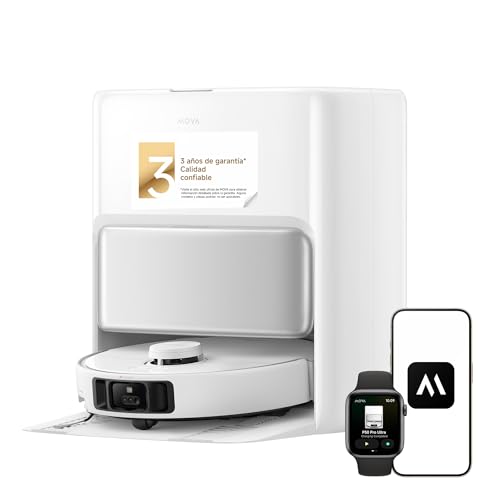
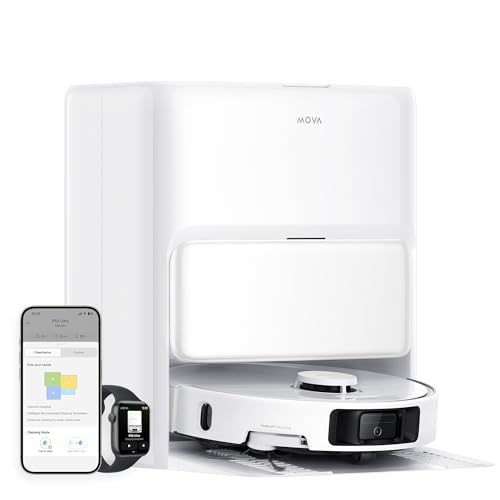
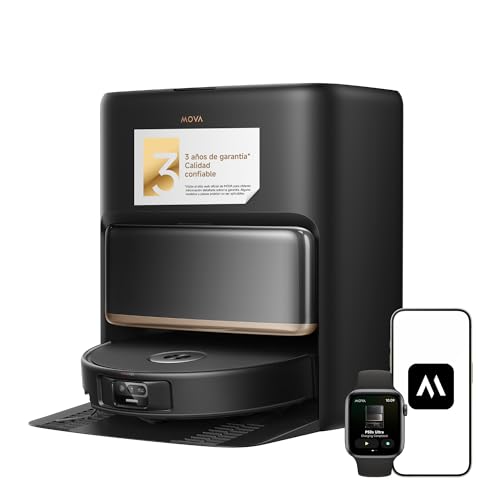
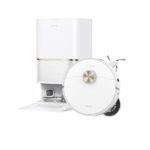
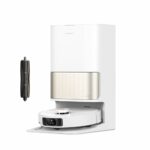
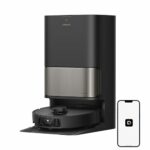
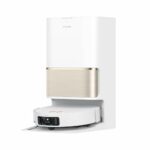
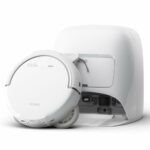
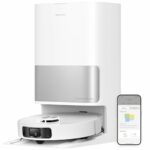
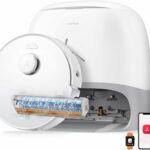
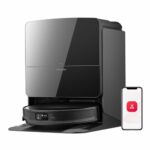
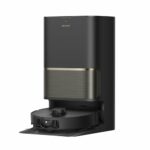
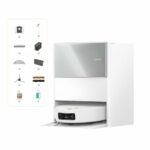
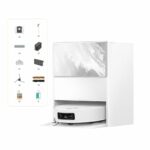
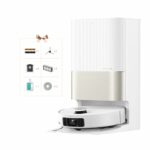
The Mova P50 series represents the brand's 2025 lineup, offering three distinct models that share a common foundation but diverge in key areas. The P50 Pro Ultra sits in the middle ground, whilst the P50 Ultra serves as the more accessible option. The P50s Ultra takes the lead with enhanced specifications and additional features that set it apart from its siblings.
All three models come equipped with multifunction bases that handle automatic dust emptying, mop washing with hot water, and hot air drying. They're designed for users seeking comprehensive floor care without constant manual intervention. The real question is which level of automation and intelligence actually matches your home's needs.
Suction Power and Cleaning Performance
The P50s Ultra pushes suction to 24,000 Pa, a noticeable jump from the 19,000 Pa found in both the Pro Ultra and standard Ultra. In practice, this translates to better performance on carpets and improved pickup of embedded debris. The difference becomes especially apparent when dealing with pet hair or fine dust that settles into textile fibres.
Brush configurations vary across the range. The Pro Ultra features the TriCut 3.0 system, which combines bristles with integrated blades to slice through tangled hair. The standard P50 Ultra uses a simpler brush design, whilst the P50s Ultra employs a dual brush arrangement. All three models include side brushes that extend to reach corners and lift when mopping to avoid dragging wet debris.
Each robot can raise its main brush during mopping sessions, preventing contamination of wet floors with dust from the roller. The side brushes also feature anti-tangle properties across the board, reducing maintenance frequency for households with long-haired occupants or pets.
Mopping System
All three models use dual rotating mops that extend outwards to clean along skirting boards, paired with a movement system that helps them reach slightly under furniture edges. Mop lift reaches 10.5mm on each model, sufficient to climb onto low-pile rugs without dragging wet pads across them.
The bases wash mops with hot water and dry them using heated air, which speeds up the process and helps prevent odours. Third-generation automatic tray cleaning keeps the washing station itself hygienic without manual scrubbing.
Here's where the P50 Ultra falls behind: it can't automatically remove its mops at the base when you want a vacuum-only session, forcing you to detach them manually. It also lacks dirt detection on both the mops and floor surface, meaning it won't automatically rewash or refocus on particularly soiled areas. The Pro Ultra and P50s Ultra handle these tasks autonomously, adjusting their cleaning approach based on actual conditions rather than following a preset routine.
The P50 Ultra requires purchasing a separate detergent dispenser, whilst the other two include this as standard. For homes where mopping is a priority, this represents an additional cost and setup step.
Navigation Intelligence
The P50s Ultra uses FlashPulse navigation, whilst the Pro Ultra and standard Ultra rely on traditional LiDAR turrets. All three incorporate 3D laser sensors at the front for obstacle detection, but their visual capabilities diverge sharply.
The P50 Ultra operates without AI cameras, LED lighting, or remote viewing. It navigates competently but can't identify specific objects or allow you to check on your home through the robot's perspective. The Pro Ultra adds dual AI cameras, LED night vision, and remote access, recognising up to 160 different obstacles including pets. The P50s Ultra extends this to 200 recognised objects with the same camera and lighting setup.
Pet owners will find the camera-equipped models more useful. They can distinguish between a shoe and a pet toy, avoiding both whilst learning household layouts. The ability to spot pets specifically means the robot can adjust its behaviour around animals, potentially reducing stress for nervous cats or dogs. Remote camera access lets you glance at rooms whilst away, though this is secondary to the cleaning function.
Curtain detection appears across all three, preventing the robots from becoming tangled in floor-length drapes. AI-driven stain recognition on the Pro Ultra and P50s Ultra enables targeted cleaning of visible marks, whilst the P50 Ultra simply follows its programmed pattern regardless of floor condition.
Battery and Coverage
Battery capacity tells an interesting story. The P50s Ultra packs 6,400 mAh, giving it substantially more energy reserves than the 5,200 mAh cells in the other models. Only the Pro Ultra specifies runtime: 210 minutes on a single charge, which should cover approximately 200 square metres depending on floor type and cleaning mode.
The increased capacity in the P50s Ultra suggests it's aimed at larger homes where extended cleaning sessions matter. With higher suction consuming more power, that extra battery headroom prevents mid-clean returns to the base in sprawling floor plans.
Smart Features
All three models can climb obstacles up to 22mm high, though the P50s Ultra's specification mentions simple step climbing, suggesting potential differences in how smoothly it handles thresholds. This height clearance manages most door saddles and thick rug edges without assistance.
Voice control splits the range. The Pro Ultra and P50s Ultra include their own voice assistants, allowing direct commands without external smart speakers. The P50 Ultra skips this but still works with Alexa and Google Home. In practice, most users rely on app control anyway, making the built-in assistant a convenience rather than essential feature.
Multifunction Base
Each base handles the core tasks: automatic dust extraction into 3.2-litre bags, mop washing with 4-litre clean water tanks, and collection of dirty water in 3.5-litre reservoirs. Third-generation tray self-cleaning runs across the board, as does hot water washing and hot air drying.
The P50s Ultra distinguishes itself with UV disinfection, adding a sanitising step to the mop cleaning process. Whether this matters depends on your household's hygiene priorities and whether you have young children frequently on the floor.
None of the models offer integrated plumbing connections, though this keeps installation simpler. The tank capacities are generous enough for several cleaning sessions before requiring refills in typical homes.
Physical Dimensions
Height becomes crucial when furniture clearance matters. The P50s Ultra measures just 82.5mm tall, allowing it to slide under most sofas and bed frames. The P50 Ultra reaches 97mm, whilst the Pro Ultra tops out at 103.8mm. That 21mm difference between the tallest and shortest can determine whether a robot cleans under your furniture or simply bumps against it.
All three share a 350mm diameter, standard for this class of robot. The bases measure identically at 420mm wide, 470mm tall, and 458mm deep, requiring the same floor space regardless of which model you choose.
For homes with low-profile furniture, the P50s Ultra's reduced height opens up cleaning areas the taller models simply can't access. This often matters more than marginal differences in suction or battery life.
Real-World Application
The P50s Ultra suits larger homes where its enhanced battery, stronger suction, and low profile deliver tangible benefits. The ability to slip under more furniture whilst covering greater areas makes it worth considering for properties exceeding 150 square metres. UV disinfection adds value in households with young children or heightened cleanliness standards.
The Pro Ultra balances capability and cost. Its AI cameras and automatic mop removal streamline operation for busy households, whilst the TriCut brush handles pet hair effectively. The 210-minute runtime covers most homes comfortably, and the included detergent dispenser saves an additional purchase.
The P50 Ultra makes sense primarily on budget constraints. You sacrifice convenience features like automatic mop removal, dirt detection, and visual navigation, plus you'll need to buy the detergent dispenser separately. It still delivers solid basic cleaning with the same multifunction base as its siblings, but requires more manual intervention.
Pet owners should lean towards the camera-equipped models. The ability to recognise animals and navigate around them reduces disturbance, whilst the TriCut or dual brush systems manage shedding better than simpler designs.
Conclusion: Which to Choose?
Choose the Mova P50 Pro Ultra if you want comprehensive automation without the premium of the top model. The dual AI cameras, automatic mop removal, and dirt detection handle most scenarios independently. It's well-suited to medium-sized homes with pets, where the 160-object recognition and TriCut brush earn their keep.
Choose the Mova P50 Ultra if budget is the primary concern and you're comfortable with more hands-on maintenance. You'll need to manually remove mops for vacuum-only sessions and purchase the detergent dispenser separately, but the core cleaning performance remains solid for smaller homes without complex layouts.
Choose the Mova P50s Ultra if you have a large home with low furniture. The 82.5mm height, 24,000 Pa suction, and 6,400 mAh battery combine to tackle extensive floor plans whilst accessing spaces the taller models miss. The 200-object recognition and UV disinfection represent the most advanced option in the range, justifying the investment when maximum capability matters more than cost.