✨ VS Analyses · VacuumSpain comparison technology. Explanation created with AI from verified technical data.
Introduction
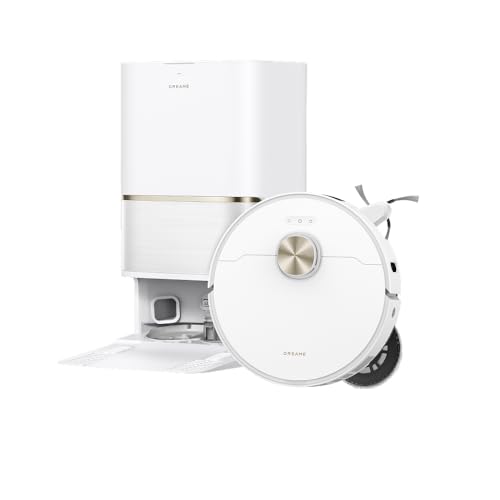
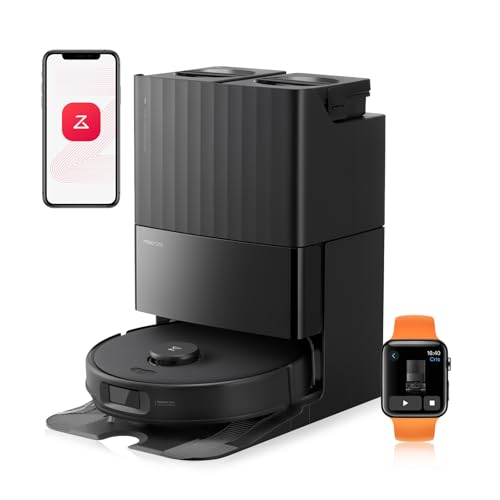
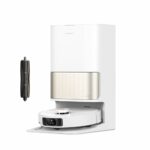
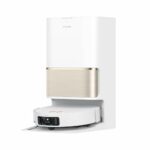
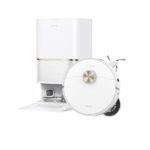
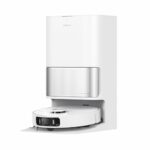
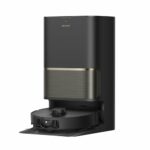
The Dreame L50 Ultra AE and the Roborock Qrevo Edge S5A represent two distinct approaches to premium robot vacuum technology. Dreame's model, launched in March 2026, positions itself as a next-generation solution with enhanced suction power and advanced features. The Roborock Qrevo Edge S5A, released in 2024, brings the brand's established reputation for reliability alongside intelligent cleaning algorithms.
Both models feature multifunctional bases that handle the complete cleaning cycle, from automatic emptying to mop washing and drying. These are designed for homeowners seeking minimal maintenance and comprehensive floor care across various surface types. The differences between them, however, reveal distinct priorities that will matter depending on your specific cleaning needs.
Power and suction
The suction differential here is substantial. Dreame's L50 Ultra AE delivers 28,000 Pa, which represents a significant leap over the Qrevo Edge S5A's 18,500 Pa. In practical terms, this translates to noticeably better performance on carpets and rugs, where deeper pile fibres require more aggressive extraction. The extra power also proves beneficial when dealing with embedded dirt in grout lines or textured hard floors.
The brush systems reveal different philosophies. Dreame employs its TriCut 3.0 design, which combines bristles with integrated cutting blades to slice through tangled hair before it becomes problematic. Roborock counters with the DuoDivide Antienredos system, featuring dual rollers that channel debris towards the central suction opening whilst minimising hair wrap. Both approaches effectively reduce maintenance, though the mechanisms differ.
A critical distinction emerges with the main brush lift function. The L50 Ultra AE raises its main brush during mopping operations, preventing wet debris from contaminating the roller. The Qrevo Edge S5A lacks this feature, meaning the main brush remains in contact with damp surfaces throughout the mopping cycle.
Both models include extensible side brushes for improved edge cleaning and feature anti-tangle designs. These elements work identically across both units.
Mopping
Both robots utilise dual rotating mops, but their implementation differs in meaningful ways. The Dreame L50 Ultra AE incorporates mop extension with a swinging motion that allows the pads to reach further under furniture overhangs and into tight corners. The Roborock also extends its mops but without the additional swinging mechanism.
Mop lift height shows minimal variation: 10.5 mm for the Dreame versus 10 mm for the Roborock. Both heights prove sufficient for clearing most low-pile rugs and transitioning between hard floors and carpeted areas without dragging wet pads across textiles.
The L50 Ultra AE can automatically remove its mops at the base station, enabling pure vacuuming sessions without manual intervention. This proves particularly useful for homes with mixed flooring where certain areas never require mopping. The Qrevo Edge S5A requires manual mop removal if you want vacuum-only operation.
Roborock's model includes dirt detection sensors that monitor both mop cleanliness and floor soiling levels, triggering additional cleaning passes when necessary. The Dreame relies on preset patterns without adaptive dirt sensing. For heavily soiled areas or homes with high foot traffic, this automated responsiveness can reduce the need for manual spot cleaning.
Both bases wash mops with hot water and dry them using heated air, ensuring hygienic maintenance between cleaning sessions. The third-generation self-cleaning tray on the L50 Ultra AE represents an evolution from the Qrevo Edge S5A's 2.0 system, though both effectively prevent bacterial growth and odours.
Navigation system
Both models employ 3D LiDAR turrets for mapping and navigation, creating detailed floor plans that enable efficient cleaning routes. The technology performs identically in terms of room recognition and no-go zone management.
The Dreame L50 Ultra AE incorporates a frontal 3D laser sensor that enhances close-range obstacle detection, particularly useful for avoiding chair legs, cables, and smaller objects that top-mounted LiDAR might miss until contact. The Qrevo Edge S5A relies solely on its turret-based system without this additional frontal sensing layer.
Roborock compensates with its SmartPlan 2.0 intelligent cleaning algorithm, powered by the RR Mason 11.0 processor. This system analyses room layouts, furniture placement, and previous cleaning patterns to optimise routes and adjust cleaning intensity based on learned behaviours. The Dreame lacks comparable AI-driven planning, following more traditional methodical patterns.
Neither model includes AI cameras, pet recognition, curtain detection, or remote camera access. Both support external voice assistants like Alexa and Google Home but don't feature proprietary voice systems.
Battery and autonomy
Both robots house identical 5,200 mAh batteries. Roborock specifies 180 minutes of runtime, whilst Dreame hasn't published autonomy figures for the L50 Ultra AE. Given the substantially higher suction power, the Dreame likely consumes battery faster at maximum settings, though actual runtime will vary based on floor type, cleaning mode, and whether mopping is active.
The 180-minute specification from Roborock suggests coverage for homes up to approximately 250-300 square metres on standard settings, with automatic recharge-and-resume ensuring larger properties get completed across multiple sessions.
Intelligent features
Both models manage 20 mm obstacle climbing capability, sufficient for standard door thresholds and thick carpet edges. This height clearance proves adequate for most residential environments without requiring ramps or manual assistance.
Neither robot includes robotic arms or proprietary voice assistants, keeping the focus on core cleaning performance rather than experimental features.
Multifunctional base station
The base stations share core functionality: automatic dust collection, hot water mop washing, and heated air drying. Differences emerge in capacity and additional features.
Dreame's base holds a larger 3.2-litre dust bag compared to Roborock's 2.7-litre capacity. For households generating substantial debris—multiple pets, frequent outdoor access, or large floor areas—this translates to fewer bag changes over time.
Water reservoirs also favour the Dreame: 4.5 litres of clean water versus 4 litres, and 4 litres for dirty water against 3.5 litres. The extra capacity extends the interval between manual refilling and emptying, particularly valuable during whole-home mopping sessions.
The L50 Ultra AE includes an integrated detergent dispenser that automatically doses cleaning solution during mop washing. The Qrevo Edge S5A lacks this feature, relying solely on water for mop maintenance. Whilst not essential, the detergent system helps break down oils and stubborn residues more effectively.
Dreame offers an optional plumbing connection kit, purchased separately, that enables automatic water refill and drainage. The Roborock doesn't support plumbing integration even as an add-on. This remains a convenience feature rather than a necessity, but it does eliminate manual tank management entirely for those willing to invest in the installation.
Neither base includes UV disinfection or automatic mop pad replacement systems.
Dimensions
The robots themselves measure nearly identically: 350 mm diameter for the Dreame versus 352 mm for the Roborock, with heights of 97 mm and 98 mm respectively. This 1 mm height difference proves functionally irrelevant; both will fit beneath furniture with approximately 10 cm clearance.
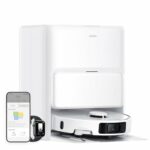
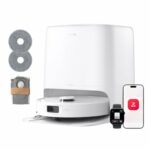
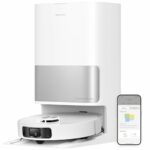
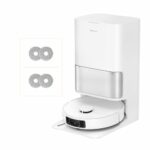
Base station footprints differ more noticeably. Both share 340 mm width, but the Dreame stands 590 mm tall against the Roborock's 521 mm, whilst being shallower at 457 mm depth compared to 487 mm. The Roborock base occupies slightly more floor space but sits lower, which may matter if you're placing it beneath a countertop or shelf. The Dreame's taller, narrower profile suits corner placement better.
Real-world usage experience
For larger homes exceeding 200 square metres, the Dreame's superior suction power and larger consumable capacities reduce maintenance frequency. The bigger dust bag and water tanks mean less interruption during cleaning cycles, whilst the powerful motor tackles varied floor types without multiple passes.
Homes with pets benefit from both models' anti-tangle brush designs, though the Dreame's higher suction proves more effective at lifting embedded pet hair from carpets and upholstery edges. The automatic mop removal feature also prevents cross-contamination when switching between pet areas and living spaces.
The Roborock's dirt detection sensors and SmartPlan algorithm suit households with variable soiling patterns—families with young children, frequent cooking, or high-traffic zones that need adaptive attention rather than uniform cleaning intensity.
Both handle mixed flooring well, with mop lift heights sufficient for low-pile rugs and the ability to climb standard thresholds. The Dreame's main brush lift during mopping provides cleaner results on hard floors by preventing wet debris recirculation.
Maintenance demands remain low for both, with weekly or fortnightly attention to tanks and bags depending on home size and usage intensity. The Dreame's detergent dispenser adds a minor refill task but improves mop hygiene.
Conclusion: which to choose?
Choose the Dreame L50 Ultra AE if: you prioritise maximum suction power for deep carpet cleaning, have a larger home where extended tank capacities reduce refill frequency, value the convenience of automatic mop removal for vacuum-only sessions, or want integrated detergent dispensing for more thorough mop maintenance. The optional plumbing kit also appeals if you're seeking complete automation.
Choose the Roborock Qrevo Edge S5A if: you prefer intelligent adaptive cleaning through dirt detection and SmartPlan algorithms, have a home with variable soiling patterns that benefit from responsive cleaning adjustments, want a more compact base station that fits beneath lower shelving, or trust Roborock's established reputation for reliable performance and app stability. The lower price point also delivers excellent value for the feature set provided.
Homes under 150 square metres with predominantly hard floors will find either model more than capable. The Roborock's intelligence suits unpredictable households, whilst the Dreame's raw power and capacity favour consistent high-volume cleaning demands.