✨ VS Analyze · VacuumSpain comparison technology. AI-generated explanation based on verified technical data.
Introduction
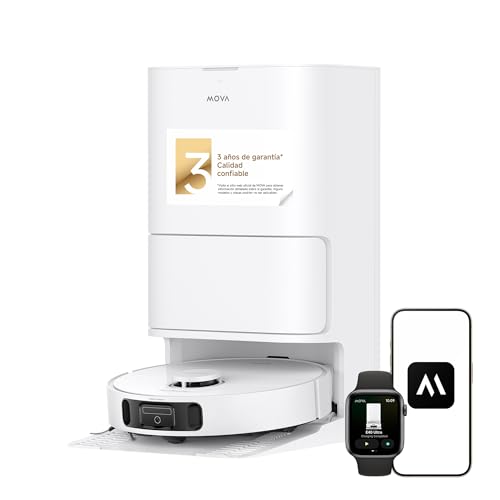
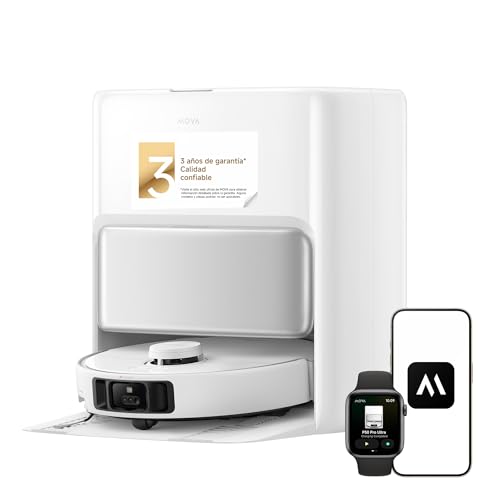
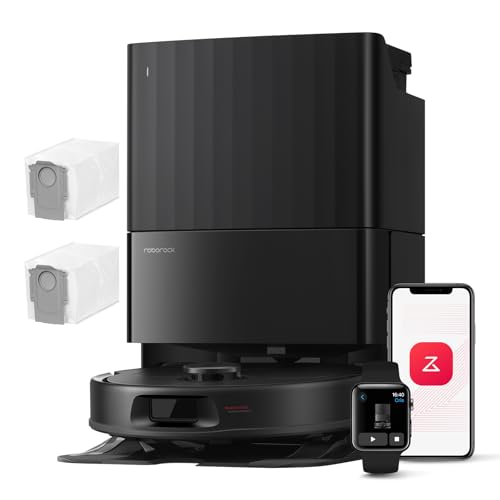
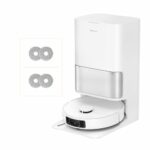
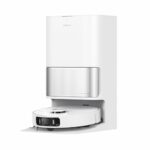
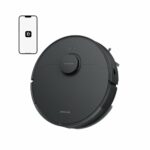
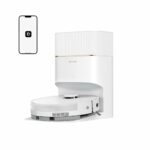
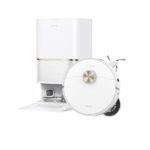
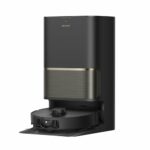
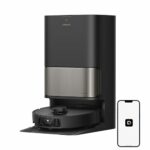
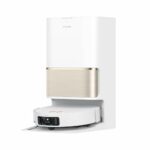
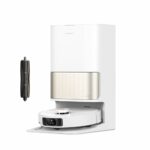
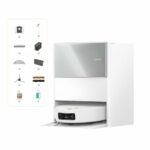
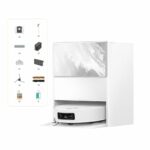
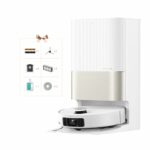
This comparison pits three robot vacuum cleaners launched in 2025 that represent very different design philosophies. The Mova E40 Ultra and the Mova P50 Pro Ultra share the same manufacturer but differ notably in features, whilst the Roborock QV 35A arrives as an alternative from an established brand with a more traditional approach.
The Mova E40 Ultra positions itself as the entry-level option within the high-end range, with a multifunction base and essential features well executed. The Mova P50 Pro Ultra takes a considerable leap in artificial intelligence and advanced functions, seeking to compete in the premium segment. The Roborock QV 35A opts for the simplicity and reliability characteristic of the brand, dispensing with complex technologies in favour of more straightforward operation.
We're talking about devices designed for medium-to-large homes, all with multifunction bases that wash and dry mops. The difference lies in how much automation and intelligence you actually need in your daily life.
Power and Suction
Suction power marks the first major division. Both the Mova E40 Ultra and the P50 Pro Ultra reach 19,000 Pa, a figure that leaves the Roborock QV 35A at 8,000 Pa. This difference is especially noticeable on medium-to-long pile carpets and when there's accumulated ingrained dirt. For hard floors the difference is less perceptible, but on textile surfaces the leap is considerable.
The main brush varies between models. The E40 Ultra and the Roborock QV 35A mount a simple brush, whilst the P50 Pro Ultra incorporates the TriCut 3.0 system that combines bristles with blades to cut hair and reduce tangles. In homes with pets, this detail can make a difference in weekly maintenance.
Where the P50 Pro Ultra clearly distances itself is in brush elevation during mopping. Both the main and side brushes lift automatically, preventing them from dirtying the freshly mopped floor or dragging wet hair. The other two models lack this function, which means that when mopping they keep the brushes in contact with the floor.
The extendable side brush is also exclusive to the P50 Pro Ultra. It deploys to better reach corners and skirting boards, a real advantage in rooms with lots of perimeter. All three models include an anti-tangle side brush, at least as a basic feature.
Mopping
All three robots use a dual rotating mop system, the current standard for effective mopping. The difference lies in how they manage edges and dirt.
The Mova E40 Ultra and the P50 Pro Ultra incorporate mop extension with movement to better reach edges, something the Roborock QV 35A doesn't offer. This translates to fewer manual passes along skirting boards. Mop lifting is similar across all: 10.5 mm on the Mova models and 10 mm on the Roborock, sufficient for short-pile carpets.
The P50 Pro Ultra adds a function that the other two don't have: automatic mop removal at the base. When you only want to vacuum without mopping, the robot removes the mops by itself. On the E40 Ultra and the Roborock you must do this manually if you don't want to drag dry mops throughout the house.
Dirt detection is another differentiating point of the P50 Pro Ultra. It identifies when the mops are dirty and returns to the base to wash them before continuing. It also detects dirt on the floor and re-mops those areas automatically. The other two models mop in a more linear fashion, without adapting to the actual dirt they encounter.
Navigation System
All mount LiDAR turret for mapping the home and basic obstacle avoidance. The difference lies in the artificial intelligence and additional sensors.
The Mova P50 Pro Ultra integrates dual AI camera capable of recognising up to 160 different obstacles. It includes LED for night vision and allows remote access to the camera from your mobile, something useful for basic surveillance when you're not at home. It recognises pets and curtains, adjusting its behaviour according to what it detects.
The E40 Ultra incorporates front 3D laser sensor and pet recognition, but without AI camera or LED. It's a middle ground: more intelligent than the Roborock but without reaching the level of the P50 Pro Ultra.
The Roborock QV 35A dispenses with AI camera, additional 3D sensor and advanced recognition. It relies on its SmartPlan system for intelligent cleaning, based primarily on LiDAR. It doesn't recognise pets or curtains specifically. For many users, this is more than sufficient: less technology means fewer elements that can fail.
Autonomy and Battery
All three mount a 5,200 mAh battery, but the declared autonomy varies. The Mova E40 Ultra and the P50 Pro Ultra reach 210 minutes, whilst the Roborock QV 35A remains at 180 minutes. The difference may be due to energy management or suction power: the Roborock consumes less by having lower power.
In practice, any of the three can clean homes of up to 200 square metres without problems. Autonomy becomes a critical factor only in very large houses or when you use maximum power constantly.
Smart Functions
The ability to overcome thresholds is very similar: 22 mm on the P50 Pro Ultra versus 20 mm on the other two. These are minimal differences that are rarely noticed in real use.
The Mova P50 Pro Ultra includes its own voice assistant, allowing you to give it commands directly without going through Alexa or Google Home. All three are compatible with external assistants, but having an integrated one adds convenience if you like controlling the robot by voice without intermediaries.
Multifunction Cleaning Base
All three bases perform auto-emptying of the dust bin, mop washing with hot water and drying with hot air. Here the differences lie in the details and capacities.
The P50 Pro Ultra incorporates third-generation wash tray self-cleaning, preventing residue from accumulating in the base itself. The E40 Ultra and the Roborock QV 35A lack this function, requiring periodic manual cleaning of the tray.
Regarding the detergent tank, the P50 Pro Ultra includes it as standard, the E40 Ultra offers it as an optional extra purchased separately, and the Roborock QV 35A doesn't contemplate it at all. If you want the base to add detergent automatically during mop washing, this can be decisive.
The dust bag capacity is 3.2 litres on both Mova models, superior to the 2.7 litres of the Roborock. More capacity means emptying the bag less frequently. The clean water tank varies: 4.5 litres on the E40 Ultra, 4 litres on the P50 Pro Ultra and the Roborock. Dirty water is distributed at 4 litres for the E40 Ultra and 3.5 litres for the other two.
Dimensions
The robot diameter is practically identical: 350 mm on the Mova models and 353 mm on the Roborock. The height does vary: the Roborock QV 35A measures 96.5 mm, the E40 Ultra 97 mm and the P50 Pro Ultra 103.8 mm. Those extra 7 mm of the P50 Pro Ultra can be critical if you have very low furniture. The Roborock and the E40 Ultra will slip under more furniture.
The bases present more marked differences. The P50 Pro Ultra has a wider base (420 mm versus 340 mm for the other two) but less tall (470 mm versus 590.5 mm for the E40 Ultra and 521 mm for the Roborock). The depth is similar across all, around 460-487 mm. It's advisable to measure the available space before deciding, especially if you plan to place the base in a tight gap.
Real-World Usage Experience
In homes with pets, the Mova P50 Pro Ultra offers the best combination: maximum suction power, TriCut 3.0 anti-tangle brush and specific animal recognition. The E40 Ultra also works well with its 19,000 Pa power, although it requires somewhat more maintenance by having a simple brush. The Roborock QV 35A may fall short on carpets with lots of accumulated hair.
For large houses, the 210 minutes of autonomy of the Mova models give more margin than the 180 of the Roborock. The difference isn't abysmal, but it's noticeable in homes of more than 150 square metres with several cleaning levels.
If you're looking for maximum automation and to forget about maintenance, the P50 Pro Ultra is the only one that automatically removes mops, cleans its own wash tray and adjusts mopping according to detected dirt. The E40 Ultra requires more manual intervention, and the Roborock QV 35A even more.
On hard floors without carpets, any of the three performs well. The power difference is less noticeable, and mopping with rotating mops is effective on all. The Roborock may be the most sensible option if you don't need recognition of 160 objects or AI cameras.
Conclusion: Which to Choose?
Choose the Mova E40 Ultra if you're looking for a balance between features and price within the high-end range. It offers high suction power, complete multifunction base and basic smart functions without complications. Ideal for medium-sized homes, with or without pets, where you don't need the latest in AI but do want well-executed automatic mopping. Its height of 97 mm allows it to slip under more furniture than the P50 Pro Ultra.
Choose the Mova P50 Pro Ultra if you want the maximum automation and technology available. The recognition of 160 obstacles, dirt detection, automatic mop removal and tray self-cleaning justify the investment if you value not having to intervene. Perfect for large houses with pets, users who want camera supervision and those seeking the best robot vacuum cleaner 2025 without looking at the price. Bear in mind its 103.8 mm height if you have low furniture.
Choose the Roborock QV 35A if you prefer simplicity and proven reliability. It dispenses with complex technologies that can fail, offers the essentials well executed and relies on Roborock's reputation in navigation and durability. Suitable for homes without pets or with few carpets, where the power of 8,000 Pa is sufficient. Its lower height (96.5 mm) is an advantage under furniture, and its price is usually more contained by forgoing cameras and additional sensors.