✨ VS Analyze · VacuumSpain comparison technology. AI-generated explanation based on verified technical data.
Introduction
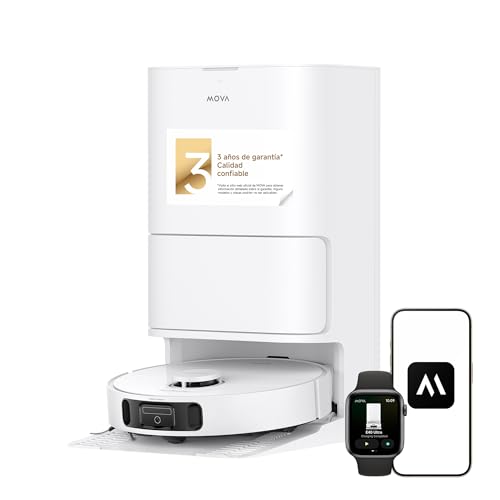
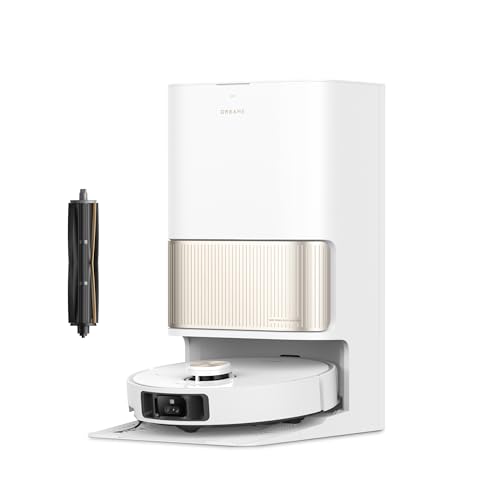
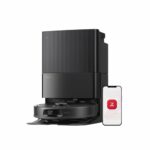
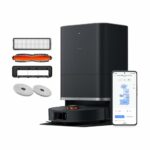
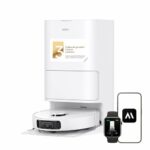
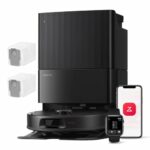
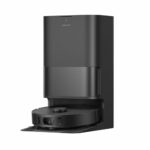
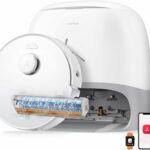
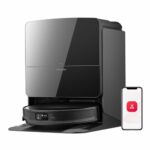
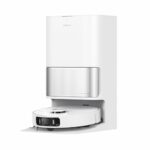
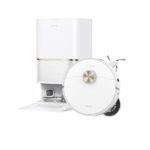
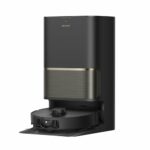
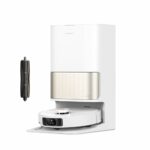
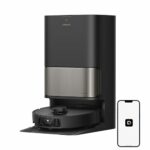
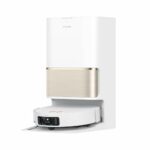
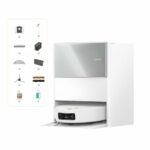
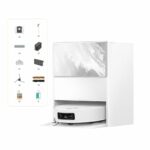
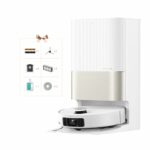
The Mova E40 Ultra and Dreame L40 Ultra represent two closely related premium robot vacuum cleaners with all-in-one cleaning stations. The Mova model launched in 2025, whilst the Dreame arrived a year earlier in 2024. Both feature comprehensive mopping systems with rotating dual pads, hot air drying, and self-emptying capabilities that handle dust, mop washing, and maintenance with minimal user intervention.
These models suit medium to large homes where automation matters. The main differences lie in suction power, intelligent features, and base station capabilities. The Dreame L40 Ultra positions itself as the more advanced option with dual AI cameras and enhanced detection systems, whereas the Mova E40 Ultra focuses on raw cleaning power with significantly higher suction.
Suction and Brushing Performance
The most striking contrast in this robot aspirador comparison appears in suction power. The Mova E40 Ultra delivers 19,000 Pa, substantially outperforming the Dreame L40 Ultra's 11,000 Pa. This difference translates into more aggressive dirt pickup, especially on carpets or textured floors where embedded debris requires stronger airflow.
Brush design takes different approaches. The Dreame employs its TriCut 3.0 system, combining bristles with integrated blades that slice through tangled hair during operation. The Mova relies on a simpler brush design. Both models feature anti-tangle side brushes, but the Dreame extends its side brush to sweep closer into corners and lifts both main and side brushes when mopping begins, preventing wet bristles from dragging across the floor. The Mova keeps its brushes in fixed positions throughout cleaning cycles.
For homes with pets or long-haired occupants, the TriCut mechanism on the Dreame reduces maintenance frequency. The Mova compensates with sheer suction force but may require more frequent brush cleaning.
Mopping System
Both robot aspirador models use dual rotating mops that extend outward to clean edges and corners more effectively. Each lifts its mops 10.5 mm when encountering carpets or rugs, and both incorporate a swinging motion that nudges the mop slightly under furniture edges and skirting boards.
The base station functionality reveals meaningful differences. The Dreame L40 Ultra washes mops with hot water, which dissolves grease and stubborn marks more effectively than the cold water system on the Mova E40 Ultra. Both dry mops with hot air to prevent odours and bacterial growth, but the Dreame adds a second-generation self-cleaning tray that automatically rinses the washing compartment after each session. The Mova lacks this feature, requiring occasional manual cleaning of the tray.
Dirt detection sets the Dreame apart further. Its sensors identify heavily soiled areas and instruct the robot to make additional passes or return to the base for mop rinsing mid-clean. The Mova follows pre-set routines without adaptive behaviour. The Dreame also removes its mops automatically at the base when vacuuming-only mode is selected, eliminating the need to manually detach them. The Mova requires manual mop removal for pure vacuuming tasks.
Detergent dispensing comes standard on the Dreame with an integrated tank in the base. The Mova offers this as an optional accessory purchased separately, which may matter if you prefer automated detergent dosing from the start.
Navigation and Intelligence
Both models navigate using LiDAR turrets and 3D laser sensors at the front, creating accurate floor plans and avoiding collisions. The crucial difference lies in visual intelligence. The Dreame L40 Ultra incorporates dual AI cameras that recognise up to 100 different objects, including pet waste, cables, shoes, and curtains. An LED provides night vision, and remote camera access lets you check on your home through the app.
The Mova E40 Ultra omits cameras entirely, relying solely on laser-based detection. It recognises pets and avoids them but cannot identify specific objects or provide visual feedback. This makes the Dreame more adaptable in cluttered environments where small obstacles frequently change position.
Both models feature CleanGenius AI for intelligent cleaning routines, but the Dreame's AI Sage 11.0 Quad Core processor enables real-time stain recognition and adjusts suction or mopping intensity accordingly. The Mova lacks this adaptive response. Curtain detection on the Dreame prevents the robot from becoming entangled in long drapes, a feature absent on the Mova.
The Dreame includes its own voice assistant alongside compatibility with Alexa and Google Home. The Mova supports external assistants but has no built-in voice control.
Battery Life and Autonomy
Battery capacity matches at 5,200 mAh for both robot aspirador models. The Mova E40 Ultra achieves 210 minutes of runtime, slightly exceeding the Dreame L40 Ultra's 194 minutes. In practice, this difference matters little for most homes, as both return to the base automatically when needed and resume cleaning afterwards.
The Mova's extra suction power may drain the battery faster under maximum settings, potentially narrowing the gap during intensive cleaning sessions. Neither manufacturer specifies charging times in the available data.
Smart Features
Obstacle climbing capability differs marginally. The Dreame L40 Ultra clears thresholds and transitions up to 22 mm high, whilst the Mova E40 Ultra manages 20 mm. This small advantage helps the Dreame navigate homes with slightly taller door strips or uneven flooring transitions.
Neither model includes a robotic arm attachment. Both integrate with external voice assistants, but the Dreame's proprietary assistant offers an additional control method without relying on third-party ecosystems.
All-in-One Base Station
Both base stations measure identically at 340 mm wide, 590.5 mm tall, and 456.7 mm deep. Each holds a 3.2-litre dust bag, a 4.5-litre clean water tank, and a 4-litre dirty water tank. Automatic dust extraction, mop washing, and hot air drying are standard on both.
The Dreame distinguishes itself with hot water mop washing and a self-cleaning tray that rinses the washing compartment automatically. The Mova washes mops with cold water and requires manual tray maintenance. The Dreame includes an integrated detergent dispenser, whilst the Mova treats this as an optional add-on.
A plumbing connection kit is available for the Dreame as a separate purchase, allowing continuous water supply and drainage without refilling tanks manually. The Mova does not offer this option. Neither model includes UV disinfection or automatic mop replacement systems.
Size and Clearance
Both robots measure 350 mm in diameter, but height differs. The Mova E40 Ultra stands 97 mm tall, whilst the Dreame L40 Ultra reaches 103.8 mm. This 6.8 mm difference allows the Mova to slip under lower furniture, such as beds or sofas with minimal clearance. If accessing tight spaces matters in your home, the Mova holds a practical advantage here.
Base dimensions remain identical, so neither requires more floor space than the other. Placement near a power outlet and water source for potential plumbing connection suits the Dreame best.
Real-World Use
For larger homes with mixed flooring, the Mova E40 Ultra's superior suction handles deep carpet cleaning and embedded dirt more aggressively. Its lower profile fits under more furniture. However, the lack of intelligent dirt detection and camera-based navigation means it follows fixed patterns without adapting to changing conditions.
The Dreame L40 Ultra excels in homes with pets, children, or frequent clutter. Its dual cameras and object recognition prevent entanglement with toys, cables, or pet accidents. Hot water mop washing and automatic mop removal reduce maintenance effort. The dirt detection system ensures heavily soiled areas receive extra attention without manual intervention.
Both models suit households seeking hands-off cleaning with comprehensive base stations. The Dreame offers a more refined experience with adaptive intelligence and better mopping hygiene. The Mova appeals to those prioritising raw suction power and lower height for furniture access, accepting more manual oversight in exchange.
Conclusion: Which to Choose?
Choose the Mova E40 Ultra if: Maximum suction power matters most, particularly for thick carpets or homes with heavy dirt accumulation. You need the lowest possible profile to reach under beds, sofas, or cabinets with minimal clearance. You prefer straightforward operation without camera-based features and don't mind occasional manual tray cleaning or purchasing the detergent dispenser separately. Budget-conscious buyers seeking strong performance with fewer automated refinements will find this model delivers solid results.
Choose the Dreame L40 Ultra if: You want the most advanced navigation and object recognition, especially in homes with pets, children, or frequently changing floor clutter. Hot water mop washing, automatic mop removal, and self-cleaning trays reduce maintenance to near-zero. The integrated detergent dispenser and optional plumbing kit suit those seeking maximum automation. Dirt detection ensures thorough cleaning without manual spot treatment, and remote camera access adds security monitoring functionality. This robot aspirador Dreame suits buyers prioritising intelligence, convenience, and mopping performance over raw suction alone.
In this comparativa de robots aspiradores, the mejor robot aspirador depends on your priorities. The Mova delivers exceptional power and clearance; the Dreame provides smarter, more adaptive cleaning with superior mopping hygiene. Both represent capable all-in-one solutions, with the choice hinging on whether you value brute force or intelligent refinement.