✨ VS Analyze · VacuumSpain comparison technology. AI-generated explanation based on verified technical data.
Introduction
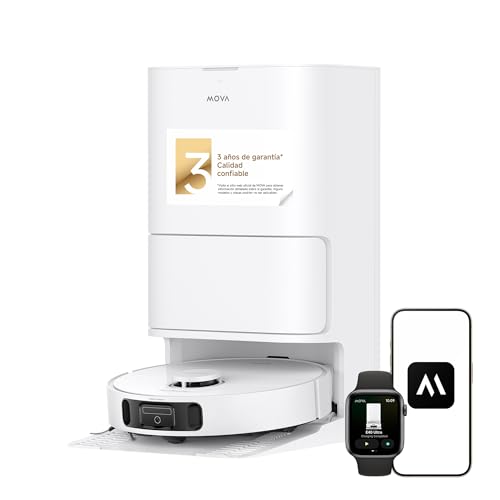
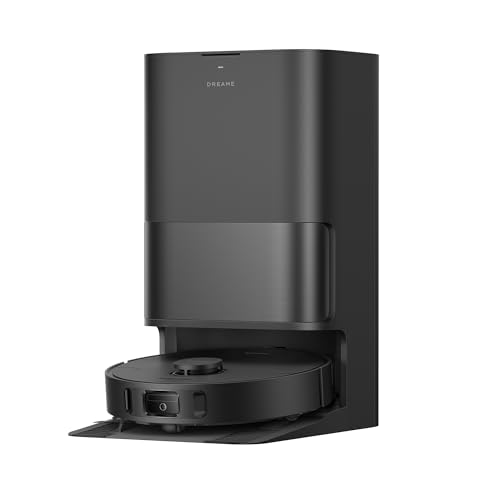
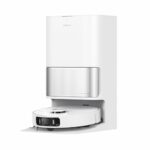
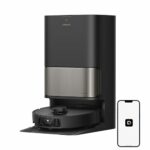
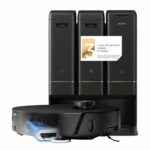
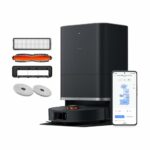
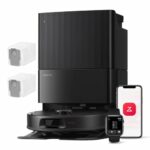
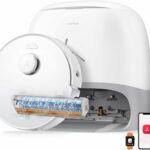
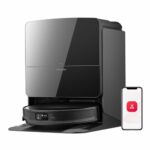
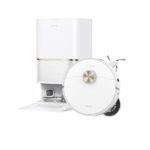
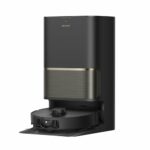
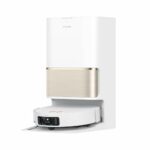
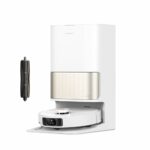
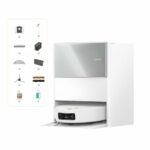
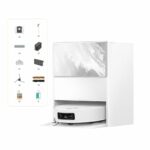
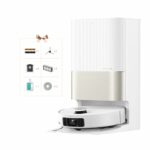
The Dreame L40 Ultra A and the Mova E40 Ultra are two high-end proposals within the Dreame ecosystem, designed for users looking for a robot vacuum with a complete multifunctional base. The former arrived on the market in 2026, while the Mova was launched during 2025. Both devices are designed for homes that require both powerful vacuuming and effective mopping, with automatic mop-cleaning systems and dust auto-emptying.
They share the same architecture and many specifications, but there are technical nuances worth analysing before making a decision. The differences mainly affect suction power, the type of main brush, the self-cleaning system of the washing tray and the availability of optional accessories. For homes with pets, mixed floors or a need for reduced maintenance, these variations may tip the balance towards one model or the other.
Power and vacuuming
Suction power marks a noticeable difference: 24,000 Pa on the L40 Ultra A versus 19,000 Pa on the E40 Ultra. This 5,000 Pa gap translates into a better ability to lift embedded dust from carpets or pull heavy particles from tile joints. In homes with medium-pile carpets or pets that shed heavily, the Dreame’s advantage is noticeable in real-world use.
The main brush also differs. The TriCut 3.0 on the L40 Ultra A combines bristles with blades designed to cut tangled hair, reducing manual maintenance. The simple silicone brush on the Mova E40 Ultra is easier to clean because hair slips off more easily, but it lacks an active cutting system. Both models include an anti-tangle side brush, useful for preventing hair build-up in corners.
Neither model lifts the main brush or side brush during mopping. They also do not feature an extendable side brush or a brush specifically designed for skirting boards. In practice, this means edge cleaning depends exclusively on the extension of the rotating mops.
Mopping
The mopping system is practically identical: two rotating mops at 180 RPM, extension through RoboSwing movement and 10.5 mm mop lifting. This height allows the robot to pass over thin carpets without wetting them and to reach low skirting boards. RoboSwing makes the robot perform a slight sideways movement to slide the mop under furniture overhangs, improving coverage in difficult areas.
Both mop with cold water, without heating the liquid dispensed onto the floor. The base also washes the mops with cold water and dries them with hot air at 45 °C, helping to prevent bad odours and bacterial growth. Neither model automatically removes the mops in the base for vacuum-only runs, nor do they include dirt detection on the mops or floor to adjust mopping intensity.
Navigation system
Both robots feature a 360° LiDAR turret for laser mapping and a front 3D sensor that detects low obstacles. The obstacle-avoidance system works on both models and recognises pets, allowing users to set exclusion zones or adjust routes when moving animals are detected. They do not have a front AI camera, remote camera access or night-vision LED.
The difference appears in the intelligent cleaning software. The Dreame L40 Ultra A integrates CleanGenius 3.0, while the Mova E40 Ultra uses CleanGenius 1.0. Version 3.0 offers more advanced algorithms to optimise routes, adjust power according to the detected floor type and better manage returns to the base during mopping. In large homes with several rooms and different flooring types, this software evolution can shorten cleaning times.
Battery life and battery capacity
Battery capacity is identical: 5,200 mAh in both models. However, the Dreame L40 Ultra A reaches 230 minutes of battery life, twenty minutes more than the 210 minutes of the Mova E40 Ultra. This difference may be due to firmware optimisations or slightly lower suction motor consumption in standard mode.
For homes of up to 150-180 m², either model can complete cleaning without needing an intermediate recharge. On larger surfaces, the extra twenty minutes of the L40 Ultra A may avoid an additional pause at the base. Neither manufacturer specifies the full charging time or the maximum recommended surface area in the table.
Smart features
Both robots can overcome obstacles up to 20 mm high, enough to cross sliding door tracks or height differences between rooms. They do not include a robotic arm or built-in voice assistant, but they are compatible with external assistants such as Alexa or Google Home, allowing basic voice control.
Multifunctional cleaning base
The bases share the same structure and essential functions: automatic emptying of the dustbin into a 3.2-litre bag, mop washing with cold water, hot-air drying at 45 °C and tanks of 4.5 litres for clean water and 4 litres for dirty water. Both support a detergent tank as an optional accessory that must be purchased separately.
The key difference lies in the self-cleaning of the washing tray. The Dreame L40 Ultra A includes a third-generation system that automatically cleans the tray where the mops are washed, reducing residue build-up and simplifying maintenance. The Mova E40 Ultra does not include this function, requiring the tray to be cleaned manually more often to prevent bad odours.
Only the L40 Ultra A has an optional plumbing connection kit, which allows the base to be supplied directly from the water network and to drain dirty water into the waste outlet. This accessory is purchased separately and is not integrated as standard, but it can be convenient in homes where manually filling and emptying tanks is inconvenient.
Dimensions
The robot measures 350 mm in diameter and 97 mm in height in both cases. This height allows it to pass under most sofas and beds with legs of 10 cm or more. The base is 340 mm wide, with minimal differences in height and depth: 590 mm versus 590.5 mm and 457 mm versus 456.7 mm. These variations are imperceptible in practice and do not affect the space required to install the station.
Real-world user experience
In homes with pets that shed heavily, the TriCut 3.0 brush on the Dreame L40 Ultra A reduces the time spent untangling hair from the main roller. The higher suction power also helps pick up hair embedded in carpets or rugs. The Mova E40 Ultra, with its silicone brush and lower power, remains effective on hard floors and with moderate hair levels, but requires more passes on dense carpets.
For large homes, the extra battery life of the L40 Ultra A and the CleanGenius 3.0 software optimise routes and reduce cleaning cycles. The third-generation self-cleaning tray reduces weekly maintenance tasks, an important factor if maximum device autonomy is a priority.
The mopping system is equivalent on both models. The rotating mops with RoboSwing extension and 10.5 mm lifting deliver good results on hard floors, although neither model mops with hot water or detects dirt to reinforce mopping in specific areas.
Conclusion: which one should you choose?
Choose the Dreame L40 Ultra A if you have pets that shed heavily, want the highest suction power available between these two models, value minimising manual maintenance thanks to the third-generation self-cleaning tray or plan to connect the base to plumbing in the future using the optional kit. It is also the most suitable option for large homes where the extra twenty minutes of battery life and CleanGenius 3.0 software make a difference in efficiency.
Choose the Mova E40 Ultra if you prioritise an easy-to-clean silicone brush, your home mainly has hard floors without dense carpets and you do not need automatic self-cleaning of the washing tray. It is a valid alternative for medium-sized homes where the difference in power and battery life is not critical, especially if its selling price is lower than that of the L40 Ultra A.