✨ VS Analyses · VacuumSpain comparison technology. Explanation created with AI from verified technical data.
Introduction
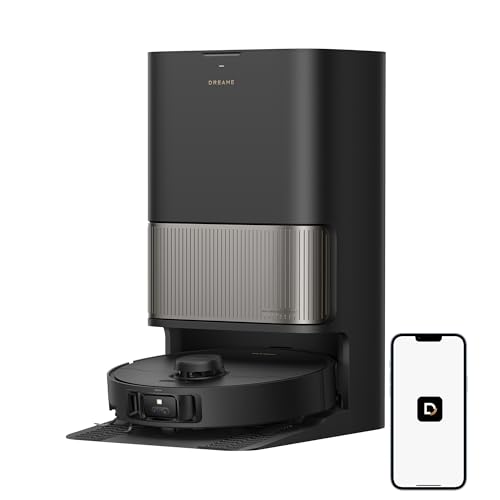
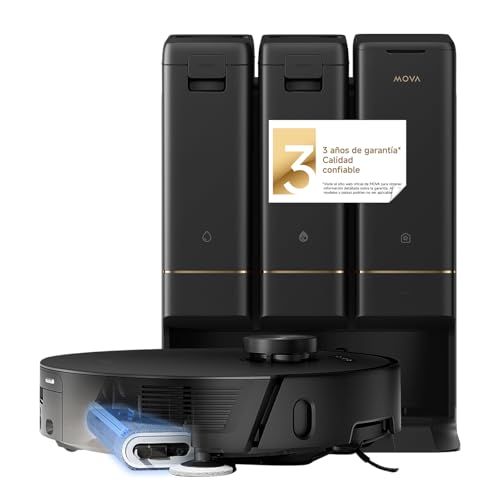
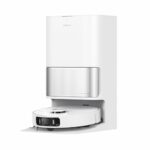
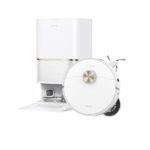
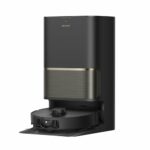
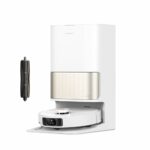
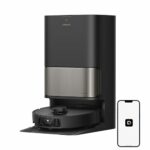
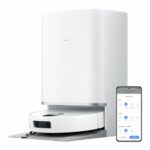
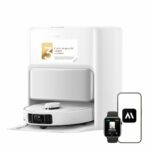
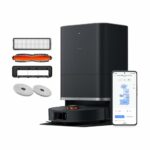
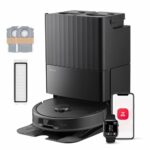
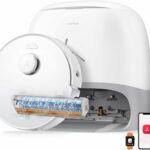
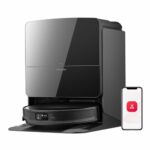
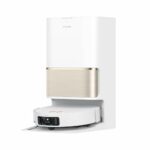
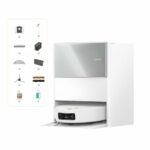
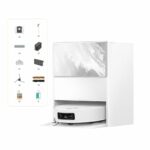
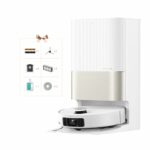
The Dreame L40s Pro Ultra and Mova Z50 Ultra represent two of the most advanced cleaning solutions arriving in 2025. Both models share the same manufacturer DNA—Mova being Dreame's second brand—which explains many of their similarities in design philosophy and core technology. These aren't entry-level machines; they're comprehensive cleaning systems built for users who want minimal intervention and maximum results.
What sets them apart from simpler models is their multifunctional base stations that handle mop washing and drying automatically, alongside self-emptying dust collection. The 19,000 Pa suction power in both units puts them firmly in flagship territory, whilst their dual camera AI systems and 3D laser sensors promise intelligent obstacle navigation. For households seeking a hands-off cleaning experience—particularly those with pets, mixed flooring, or larger spaces—these robots offer compelling specifications. The question becomes which subtle differences matter most for your specific situation.
Power and Suction
Both machines deliver identical 19,000 Pa suction, placing them among the strongest robots available for 2025. This level of power handles everything from fine dust on hard floors to embedded debris in carpet fibres.
The main brushes diverge in design. The Dreame L40s Pro Ultra uses a Doble Cepillo HyperStream configuration—two separate brush elements anchored at one end that actively prevent hair tangles through their unique rotation pattern. The Mova Z50 Ultra opts for TriCut 3.0, combining bristles with integrated cutting blades that slice through tangled hair during operation. In practice, both systems reduce the maintenance headache of manually cutting away wrapped hair, though they achieve it through different engineering approaches.
Each model lifts its main brush during mopping to avoid dragging a wet roller across just-cleaned floors. The side brushes on both units are equally sophisticated: they extend outward to reach into corners, retract upward during mopping to prevent flinging water droplets, and incorporate anti-tangle features. For homes with pets or long-haired occupants, these details translate to less frequent manual cleaning of the brushes themselves.
Mopping
Here's where the comparison gets interesting. The L40s Pro Ultra uses two circular rotating mops that physically scrub the floor whilst the RoboSwing feature creates a slight wiggling motion—useful for pushing the mop edge slightly under cabinet toe kicks or door frames. The Z50 Ultra takes a different route with a single 180mm wide roller mop that covers more surface area per pass, supplemented by a mini lateral mop for edge cleaning.
Mop extension works differently on each. Dreame's RoboSwing movement helps reach edges through that wiggling action. Mova's approach uses the dedicated mini mop that physically extends to tackle baseboards and corners. Neither method is objectively superior; it depends whether you prefer active scrubbing motion or broader coverage with dedicated edge attention.
The L40s Pro Ultra lifts its mops 10.5mm when crossing carpets or returning to base, compared to 7mm on the Z50 Ultra. That extra 3.5mm can matter if you have thicker rugs or raised transitions between rooms. Temperature introduces another split: the Mova heats mopping water to 38°C for potentially better dissolution of sticky residues, whilst the Dreame uses cold water for floor cleaning (though both wash their mops with hot water at the base).
Only the Dreame automatically detaches its mops at the base station when you want vacuum-only operation. The Mova requires manual mop removal if you don't want them dragged along during a vacuuming session. Both robots detect dirty mops and soiled floors, triggering additional wash cycles or repeat passes as needed—a genuinely useful feature when dealing with spills or high-traffic areas.
Navigation System
Navigation hardware is nearly identical. Both use a 360° LiDAR turret for mapping, dual AI cameras for object recognition, and frontal 3D laser sensors to detect low obstacles that might sit below the LiDAR's scanning plane. LED lighting enables the cameras to function in darkness, and both allow remote access to the camera feed through their apps—handy for checking on pets or simply seeing what the robot encountered.
The Dreame recognises 180 different object types versus 160 on the Mova. In real-world terms, this means marginally better identification of unusual items—perhaps distinguishing between different shoe styles or recognising more toy variations. Both detect pets and curtains specifically, avoiding tangling in drapes or bothering sleeping animals. The CleanGenius AI system runs on both, learning room layouts and adjusting cleaning patterns based on detected mess levels.
Battery and Autonomy
The Mova Z50 Ultra packs a larger 6,400 mAh battery compared to 5,200 mAh in the L40s Pro Ultra. Dreame specifies 220 minutes of runtime for its model, though Mova hasn't published equivalent figures. Given the larger cell, expect the Z50 Ultra to run longer per charge, which matters primarily in larger homes where the robot might otherwise need to recharge mid-clean.
Neither manufacturer provides charging time data, but both robots automatically return to base when depleted and resume cleaning after recharging. The practical difference shows up in very large spaces or when running multiple cleaning modes in succession—vacuuming followed by mopping, for instance.
Smart Features
Obstacle climbing capability differs: the L40s Pro Ultra handles single-layer thresholds up to a certain height, whilst the Z50 Ultra explicitly manages 22mm obstacles. This affects navigation over door thresholds, thick rug edges, or slight floor level changes between rooms. The higher clearance on the Mova reduces the chance of the robot becoming stuck on transitions.
Both include their own voice assistants alongside compatibility with Alexa and Google Home. You can issue commands directly to the robot or integrate it into broader smart home routines. Neither model employs a robotic arm—a feature still reserved for even more premium or specialised units.
Multifunctional Base Station
Both bases handle the core functions: self-emptying the robot's 300ml dust bin, washing mops with hot water, and drying them with heated air to prevent odours. Each includes a detergent dispenser that doses cleaning solution during mop washing. The 4.5L clean water and 4L dirty water tanks match exactly, as does the basic operational concept.
The L40s Pro Ultra distinguishes itself with third-generation self-cleaning of the wash tray where mops are scrubbed. This means the base periodically flushes and cleans the tray itself, reducing manual maintenance. The Mova lacks this, requiring more frequent manual cleaning of the wash area to prevent residue buildup.
Dust bag capacity sits at 3.2L for the Dreame versus 4L for the Mova. That 0.8L difference translates to perhaps one or two additional weeks between bag changes in an average household—not dramatic, but worth noting if you prefer longer intervals between consumable replacements.
The L40s Pro Ultra offers an optional water pipe connection kit purchased separately, allowing permanent plumbing to eliminate manual water tank filling and emptying. The Z50 Ultra doesn't have this option, meaning you'll always handle water tanks manually. For some users, this optional convenience justifies the Dreame choice alone.
Dimensions
The robots themselves measure 350mm in diameter, but height differs: 103.8mm for the L40s Pro Ultra versus 111mm for the Z50 Ultra. That 7.2mm advantage helps the Dreame slip under lower furniture—sofas, beds, or cabinets with minimal clearance. If you have furniture sitting 105-110mm off the floor, only the Dreame will fit beneath.
Base station footprints vary more noticeably. The Dreame's base measures 340mm wide, 456.7mm deep, and 590.5mm tall. The Mova comes in at 390mm wide, 463.3mm deep, and 545mm tall. The Mova base is wider and slightly deeper but shorter overall. In practical terms, the Dreame base fits into narrower spaces but needs more vertical clearance, whilst the Mova requires more floor width but tucks under lower shelving.
Real-World Usage
For larger homes, the Z50 Ultra's bigger battery and dust bag offer tangible benefits—fewer charging interruptions and less frequent bag changes. The heated mopping water at 38°C can make a difference on sticky kitchen spills or bathrooms, dissolving residues more effectively than cold water.
Pet owners benefit from both models' anti-tangle brush systems and strong suction, but the Dreame's ability to automatically remove mops at the base streamlines switching between vacuuming pet hair and mopping hard floors. The wider roller on the Mova covers more ground per pass, potentially finishing mopping tasks faster in open-plan areas.
The L40s Pro Ultra's lower profile matters if your furniture sits close to the floor. Being able to clean under beds and sofas without rearranging furniture is a genuine convenience. The third-generation base tray cleaning reduces how often you'll need to scrub the station manually—important for maintaining hygiene without constant intervention.
Both handle mixed flooring well, lifting mops over carpets and adjusting suction based on surface type. The CleanGenius AI on both models means they'll focus more effort on visibly dirty areas, though the Dreame's recognition of 20 additional object types might navigate cluttered rooms slightly more intelligently.
Conclusion: Which to Choose?
Choose the Dreame L40s Pro Ultra if: you need a robot that fits under low furniture, want the option of permanent water pipe connection (even if purchased separately), prefer automatic mop removal for vacuuming-only sessions, or value the self-cleaning wash tray for reduced base maintenance. The RoboSwing feature and higher mop lift also suit homes with varied floor transitions and furniture you want the mops to reach under.
Choose the Mova Z50 Ultra if: you prioritise longer battery runtime for larger spaces, want heated mopping water for better cleaning of sticky residues, need the larger 4L dust bag for extended periods between changes, or prefer the wide roller mop's efficient coverage. The 22mm obstacle climbing and larger onboard water tank (160ml versus 80ml) also make it suitable for homes with higher thresholds and extended mopping sessions without returning to base as frequently.
Both represent excellent choices within the 2025 robot aspirador landscape. The decision hinges on whether you value the Dreame's maintenance-reducing features and furniture clearance, or the Mova's longer runtime and heated mopping capability. For most users, the difference comes down to specific home layout challenges—low furniture versus large floor area, frequent mop swapping versus heated water cleaning.