✨ VS Analyses · VacuumSpain comparison technology. Explanation created with AI from verified technical data.
Introduction
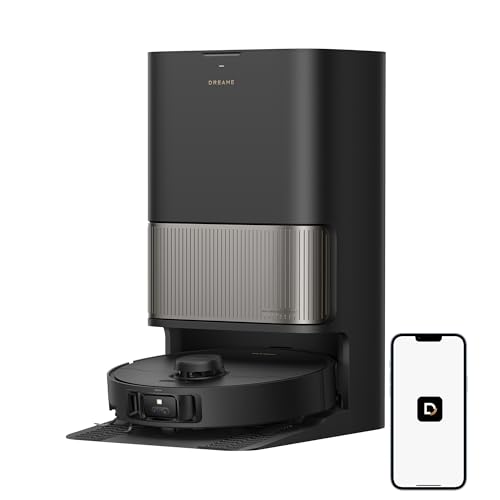
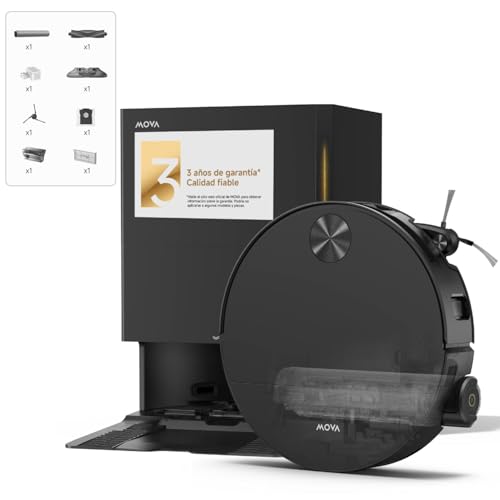
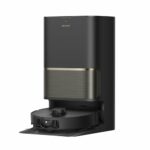
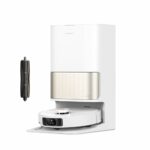
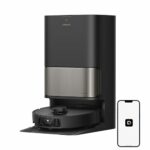
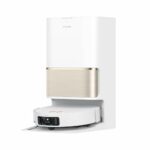
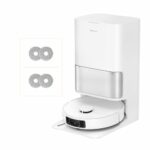
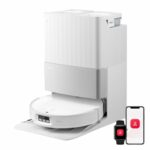
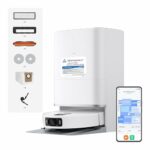
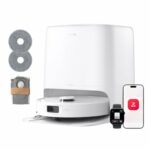
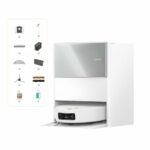
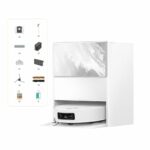
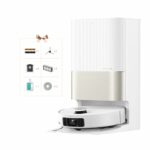
The Dreame L40s Pro Ultra and Mova S70 Roller represent two distinct approaches to premium robot vacuum technology. Dreame launched the L40s Pro Ultra in 2025, positioning it as a high-end solution with advanced AI features and comprehensive cleaning capabilities. The Mova S70 Roller, arriving in 2026, introduces a different cleaning philosophy centred around a 270mm roller system rather than traditional rotating mops.
These models target users seeking fully automated floor care with multifunction bases that handle both vacuuming and mopping without constant intervention. The Dreame model emphasises intelligent navigation and adaptability, whilst Mova focuses on raw cleaning power and a unique roller-based mopping approach. Both suit medium to large homes where autonomous cleaning and minimal maintenance matter.
Power and Suction
The suction gap between these robots is substantial. The Mova S70 Roller delivers 28,000 Pa compared to the Dreame L40s Pro Ultra's 19,000 Pa. That's nearly 50% more raw power, which translates to better performance on thick carpets and deeper extraction of embedded dirt from textile fibres.
Where brush design diverges significantly is in the main roller configuration. The Dreame employs a dual HyperStream brush system, featuring two counter-rotating brushes anchored at one end. This design actively prevents hair tangles by directing debris toward the suction channel. The Mova uses a single brush setup, which may require more frequent maintenance in homes with pets or long-haired occupants.
The Dreame L40s Pro Ultra can lift its main brush when mopping, preventing the roller from dragging across wet floors or redistributing dirt during the mopping phase. The Mova lacks this capability, meaning the main brush remains in contact with the floor throughout all cleaning modes. Both models feature side brushes that extend to reach corners and lift when mopping to avoid spreading debris.
Mopping
The mopping systems represent fundamentally different philosophies. Dreame uses two rotating mops that extend outward with a swinging motion called Roboswing, allowing them to reach into corners and under furniture edges. The Mova S70 Roller employs a 270mm-wide roller that spans nearly the entire width of the robot, providing consistent contact across a broader cleaning path.
Mop lift height differs slightly: 10.5mm for the Dreame versus 12mm for the Mova. That extra 1.5mm might seem negligible, but it can determine whether the robot successfully navigates certain carpet edges or transitions without dragging wet fabric across floor coverings.
The Dreame L40s Pro Ultra includes dirt detection sensors that monitor both mop cleanliness and floor soiling levels. When the system detects stubborn marks, it automatically increases scrubbing intensity or makes additional passes. The Mova lacks these sensors, relying instead on preset cleaning patterns without real-time adjustment based on actual floor conditions.
Another practical difference: the Dreame can automatically detach its mops at the base when you want vacuum-only operation, eliminating the need to manually remove mopping pads. The Mova requires manual intervention to switch between vacuuming and mopping modes. For homes with mixed flooring where you frequently alternate between tasks, this automation saves repeated trips to the base.
Navigation System
The Dreame L40s Pro Ultra uses a third-generation LiDAR turret combined with dual AI cameras. This setup enables the robot to recognise up to 180 different object types, including pets, shoes, cables, and even curtains. The camera system provides remote access, letting you check on your home through the robot's perspective when you're away.
Mova takes a different route with its CovertSense dToF system, which relies on laser-based detection without visible cameras. Whilst both models incorporate frontal 3D laser sensors for close-range obstacle avoidance, the Mova cannot visually identify specific objects or provide video feedback. It detects obstacles effectively but doesn't distinguish between a pet bowl and a shoe.
The Dreame includes LED lighting for navigation in dark spaces, ensuring consistent mapping accuracy regardless of ambient light conditions. The Mova operates without this feature, though its laser-based system doesn't strictly require illumination for basic navigation.
For households with pets, the Dreame's ability to recognise animals and adjust behaviour accordingly—avoiding food bowls or not disturbing sleeping pets—adds a layer of intelligence the Mova simply cannot match. The Dreame also detects curtains and adjusts suction to prevent entanglement, whilst the Mova treats all vertical obstacles identically.
Battery and Autonomy
Both robots feature identical 5,200 mAh batteries, but the Dreame provides specific autonomy data: 220 minutes of runtime. The Mova doesn't disclose runtime figures, though the higher suction power likely consumes more energy per square metre, potentially reducing total coverage per charge.
In practical terms, 220 minutes allows the Dreame to cover substantial floor areas in a single session. The actual coverage depends on floor type, suction settings, and whether mopping is active, but this runtime comfortably handles homes up to 200 square metres without recharging mid-clean.
Smart Features
Obstacle-climbing capability shows another split. The Dreame L40s Pro Ultra can traverse simple steps, though the exact height isn't specified. The Mova S70 Roller explicitly handles obstacles up to 22mm, which covers most door thresholds and carpet transitions found in typical homes.
The Dreame incorporates CleanGenius AI, which analyses room layouts, traffic patterns, and soiling levels to optimise cleaning schedules and intensity. This system learns over time, adjusting behaviour based on how different areas of your home accumulate dirt. The Mova operates without this adaptive intelligence, following programmed routines without learning or adjustment.
Voice control differs too. The Dreame includes its own voice assistant, allowing direct commands without relying on external ecosystems. Both models integrate with Alexa and Google Home, but the Dreame's native assistant provides an additional control option that works independently of internet connectivity or third-party services.
Multifunction Base
Both bases handle the core functions: automatic dustbin emptying, mop washing with hot water, and mop drying with heated air. Each uses a 3.2-litre dust bag and heats wash water to improve cleaning effectiveness. Heated air drying prevents mould growth and odours between cleaning sessions.
The Dreame base features third-generation self-cleaning for its wash tray, actively scrubbing the platform where mops are cleaned to prevent residue buildup. The Mova also includes tray self-cleaning, though the generation or specific mechanism isn't detailed.
Water tank capacities favour different priorities. The Dreame holds 4.5 litres of clean water and 4 litres of dirty water. The Mova reverses this slightly with 5 litres clean and 4.5 litres dirty. The differences are marginal—both configurations support extended mopping sessions covering large floor areas before requiring refills.
The Dreame base includes a detergent dispenser that automatically adds cleaning solution during mop washing, enhancing hygiene and cleaning effectiveness. The Mova lacks this feature, relying solely on hot water for mop maintenance. For households prioritising sanitisation or dealing with stubborn floor grime, automated detergent dosing removes another manual step.
Dreame offers an optional plumbing connection kit, sold separately, that allows the base to draw fresh water and drain dirty water automatically. The Mova doesn't support this option at all. Whilst the kit requires additional purchase and installation, it effectively eliminates tank maintenance for users willing to invest in the setup.
Dimensions
Robot height creates a significant functional difference. The Mova S70 Roller measures just 90mm tall compared to the Dreame L40s Pro Ultra's 103.8mm. That 13.8mm reduction expands the range of furniture the Mova can navigate beneath—sofas, cabinets, and bed frames that might block the taller Dreame.
Both robots share a 350mm diameter, standard for this class of device. The width accommodates the mopping systems and internal components whilst remaining manoeuvrable through doorways and around furniture legs.
Base dimensions tell a different story. The Dreame base stands 590.5mm tall and extends 456.7mm deep. The Mova base is considerably more compact at 503mm tall and just 255mm deep. That's nearly half the depth, making the Mova base far easier to tuck against walls or into corners without protruding into living spaces. The Dreame's larger footprint reflects its additional components, including the detergent tank and more complex tray cleaning mechanism.
Real-World Use
For homes with pets, the Dreame L40s Pro Ultra offers tangible advantages. The dual HyperStream brush resists hair tangles more effectively than single-brush designs, whilst AI recognition prevents the robot from disturbing pets or getting stuck on pet accessories. The dirt detection system adapts to areas where pets track in outdoor debris, increasing cleaning intensity automatically.
The Mova's higher suction power benefits homes with thick carpets or high-pile rugs where deep extraction matters more than intelligent navigation. If your floors are primarily hard surfaces with minimal obstacles, the Mova's straightforward approach and lower profile deliver thorough cleaning without the complexity of camera-based AI.
In larger homes, the Dreame's confirmed 220-minute runtime and adaptive cleaning patterns ensure comprehensive coverage without manual intervention. The ability to remotely check cleaning progress through the camera provides peace of mind when you're away, letting you verify the robot hasn't encountered issues mid-clean.
Maintenance routines differ based on each model's capabilities. The Dreame's automatic mop detachment and detergent dispensing reduce hands-on tasks, whilst the Mova requires manual mop removal and relies on hot water alone for mop hygiene. For users prioritising minimal interaction, the Dreame automates more of the cleaning cycle.
Conclusion: Which Should You Choose?
Choose the Dreame L40s Pro Ultra if you value intelligent automation and adaptability. Homes with pets benefit from object recognition and anti-tangle brushes. The dual camera system, dirt detection, and CleanGenius AI create a robot that learns and adjusts rather than following rigid patterns. Automatic mop detachment and detergent dispensing suit users wanting maximum autonomy. The optional plumbing kit appeals to those seeking truly hands-off operation despite the additional cost.
Choose the Mova S70 Roller if raw cleaning power and compact design matter most. The 28,000 Pa suction excels on carpets and textured floors where extraction depth counts. The 90mm height accesses more under-furniture spaces, whilst the shallow base fits tighter spots. The roller mopping system provides consistent coverage across wide paths. This model suits homes with fewer obstacles, minimal pets, and users comfortable with straightforward operation over adaptive intelligence.
The Dreame positions itself as the smarter, more adaptable choice for complex households with varied flooring, pets, and users who appreciate remote monitoring. The Mova counters with superior suction, a space-efficient design, and a unique roller system that simplifies mopping through brute-force coverage rather than intelligent adjustment. Your decision hinges on whether you prioritise adaptive intelligence or raw cleaning capability paired with a lower profile.