✨ VS Analyses · VacuumSpain comparison technology. Explanation created with AI from verified technical data.
Introduction
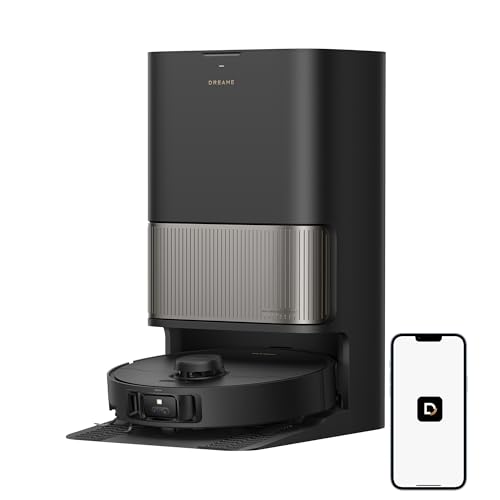
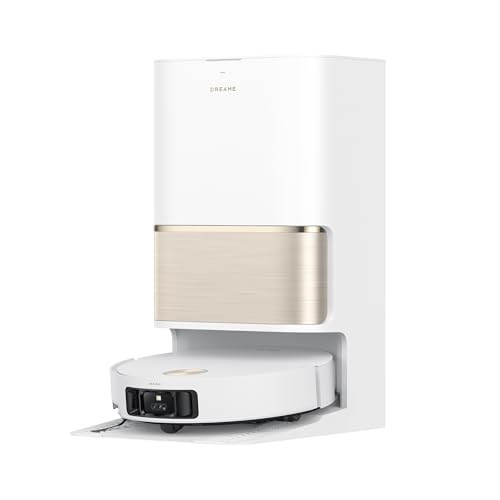
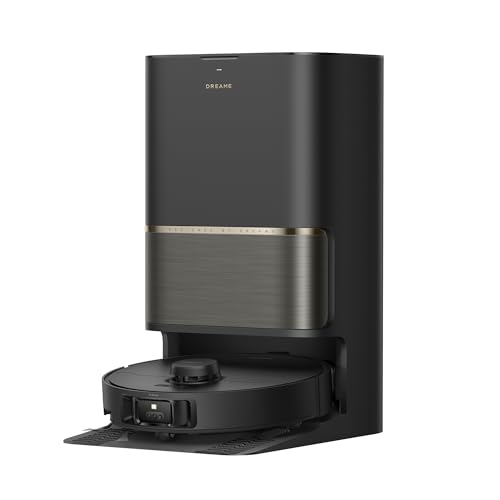
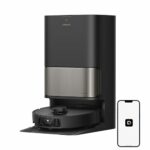
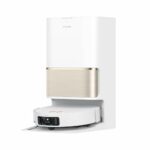
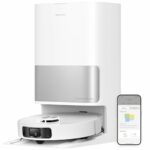
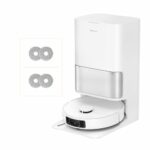
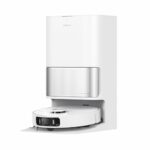
Dreame launched two high-end models in 2025 that share many features, the L40s Pro Ultra and the L50 Pro Ultra, and subsequently in 2026 introduced the L50s Pro Ultra as an evolution of the series. All three units feature a multifunction base that washes and dries the mops with hot air, ensuring efficient mopping without bad odours. These are robots designed for users seeking complete automation in medium or large homes, with the ability to vacuum and mop with minimal manual intervention.
The design of these models includes dual HyperStream anti-tangle brushes, an extendable and liftable side brush, and rotating mops that extend to better reach edges. Navigation combines LiDAR, dual AI camera and front 3D laser sensor, allowing precise obstacle avoidance and recognition of more than 180 different types of objects.
Power and Suction
The most notable difference between these three models lies in suction power. The Dreame L50s Pro Ultra stands out with 30,000 Pa, a figure that far exceeds the 19,000 Pa of the L40s Pro Ultra and the 19,500 Pa of the L50 Pro Ultra. In practice, this greater power translates into better pick-up of pet hair embedded in carpets and greater capacity to drag heavy or stuck-on dirt.
All three robots share the same brushing system: dual HyperStream brush that significantly reduces hair tangles thanks to its design with two brushes anchored at one end. The main brush lifts during mopping to prevent it getting wet and losing effectiveness, whilst the side brush also lifts and is additionally extendable to better reach corners. This configuration is especially useful in homes with pets, where hair tends to accumulate in corners.
The anti-tangle side brush is present in all three models, which facilitates maintenance and reduces the need for frequent manual cleaning.
Mopping
The mopping system is practically identical in all three units. All use two rotating mops that extend using the Roboswing system, a swinging movement that allows the mop to get under overhangs and furniture to mop normally inaccessible areas. The mops lift 10.5 mm when the robot detects carpets or when returning to the base, avoiding wetting surfaces that should not be mopped.
Floor mopping is carried out with cold water in all three models. The multifunction base washes the mops with hot water, which improves the removal of grease and stuck-on dirt. After washing, the mops are dried with hot air, an important detail to prevent the proliferation of bacteria and bad odours.
All three robots can automatically detach the mops at the base when only vacuuming is desired, avoiding having to do this manually. Additionally, they feature dirt detection both on the mops and on the floor, which activates automatic re-mopping in particularly dirty areas. This level of automation makes maintenance almost non-existent.
Navigation System
Here an important physical difference appears. The Dreame L50 Pro Ultra integrates a retractable LiDAR that reduces its height to 89 mm, allowing it to pass under lower furniture than the other two models, which reach 103.8 mm due to their conventional LiDAR turret. If you have sofas or beds with little clearance from the floor, the L50 Pro Ultra has a clear advantage.
All three units combine LiDAR navigation with dual AI camera and front 3D laser sensor. This combination allows precise mapping of the home and real-time obstacle avoidance. The Dreame L50s Pro Ultra recognises 220 types of obstacles, 40 more than the L40s Pro Ultra and the L50 Pro Ultra, which remain at 180. In practice, this can translate into better identification of small or less common objects.
All three models recognise pets, detect curtains to avoid tangling, include night vision LED and allow remote access to the camera from the app. The CleanGenius function with AI automatically adjusts suction power and water flow according to floor type and detected dirt level.
Autonomy and Battery
The Dreame L50 Pro Ultra features a 6,400 mAh battery that offers 200 minutes of autonomy. The L40s Pro Ultra and the L50s Pro Ultra have 5,200 mAh batteries with 220 minutes of declared autonomy. Although the L50 Pro Ultra has greater battery capacity, its autonomy is slightly lower, probably due to the retractable LiDAR and other components consuming more energy.
In any case, all three robots offer sufficient autonomy for large homes. If the battery runs out during cleaning, the robot automatically returns to the base, recharges as necessary and resumes the task where it left off.
Smart Functions
All three models can overcome simple steps, allowing them to move from one room to another even if there are small level changes or transitions between different floor types. This capability is useful in homes with parquet, tiles and carpets in different rooms.
All include their own voice assistant and compatibility with Alexa and Google Home, allowing control of the robot through voice commands without needing to open the app.
Multifunction Cleaning Base
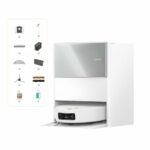
All three bases are practically identical. All perform auto-emptying of the dust bin, mop washing with hot water and drying with hot air. The dust bag has a capacity of 3.2 litres, sufficient for several weeks without changing it. The clean and dirty water tanks measure 4.5 and 4 litres respectively, allowing cleaning of large homes without refilling.
All three bases include third-generation washing tray self-cleaning, detergent tank for adding product during mop washing, and optional plumbing connection kit that is purchased separately. This kit allows connecting the base directly to the drain and water supply, eliminating the need to manually refill and empty tanks.
None of the three models includes UV disinfection or automatic mop changing.
Dimensions
The Dreame L50 Pro Ultra stands out for its height of 89 mm, compared to the 103.8 mm of the L40s Pro Ultra and the L50s Pro Ultra. This difference of almost 15 mm can make the difference in homes with low furniture. The diameter is identical in all three: 350 mm.
The bases have practically identical dimensions: 340 mm wide, around 590 mm high and 456-457 mm deep. It's advisable to reserve an accessible space near a power socket and, if the plumbing kit is installed, also near the drain.
Real-World Experience
The Dreame L50s Pro Ultra offers the highest suction power, making it the best option for homes with long-haired pets or thick carpets. Its ability to recognise 220 types of obstacles also provides an extra level of precision in navigation, especially in homes with many objects on the floor.
The L50 Pro Ultra is ideal if you need the robot to pass under low furniture. Its retractable LiDAR reduces the height to 89 mm, allowing it to access areas where the other two models cannot reach. Its higher capacity battery compensates for the slight reduction in minutes of autonomy, and the robot's dust bin is the largest of the three at 395 ml.
The L40s Pro Ultra offers a balance between power and autonomy. With 19,000 Pa and 220 minutes of operation, it's sufficient for most homes without high-pile carpets. Its 300 ml dust bin is intermediate between the other two models.
All three robots share the same advanced mopping system with dirt detection, hot water washing and hot air drying. In practice, this means that the mopping result will be similar in all three, with mops always clean and without bad odours.
Conclusion: Which to Choose?
Choose the Dreame L40s Pro Ultra if you're looking for a balance between power, autonomy and price. With 19,000 Pa and 220 minutes of battery, it covers the needs of medium or large homes without thick carpets. Its height of 103.8 mm is not a problem if your furniture has sufficient clearance from the floor.
Choose the Dreame L50 Pro Ultra if you need the robot to pass under low furniture. Its retractable LiDAR reduces the height to 89 mm, which makes the difference with sofas, beds or wardrobes with little clearance from the floor. Its 395 ml dust bin is the largest, and the 6,400 mAh battery offers peace of mind in spacious homes.
Choose the Dreame L50s Pro Ultra if you have long-haired pets or thick carpets and need maximum suction power. Its 30,000 Pa far exceeds the other two models, and the recognition of 220 types of obstacles provides greater precision in navigation. It's the most advanced option of the three, designed for users seeking the best robot vacuum of 2025 without compromises.