✨ VS Analyze · VacuumSpain comparison technology. AI-generated explanation based on verified technical data.
Introduction
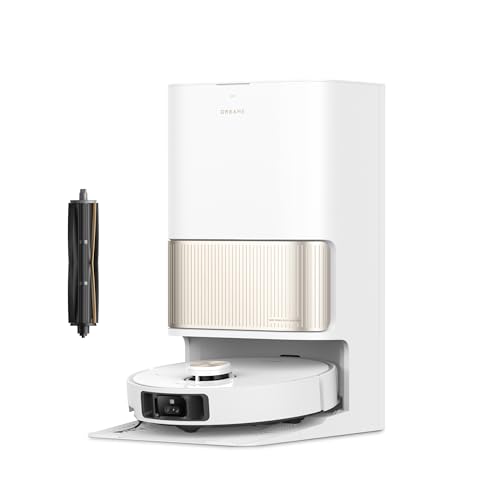
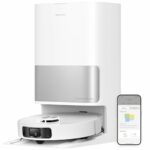
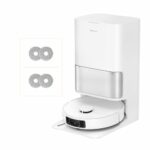
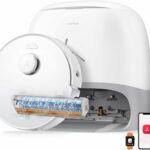
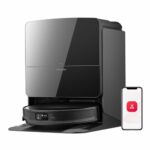
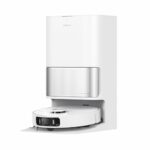
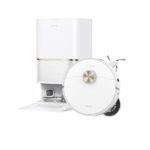
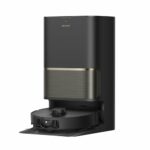
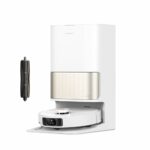
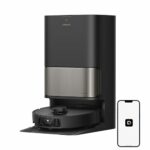
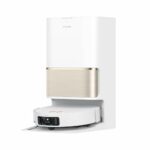
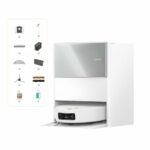
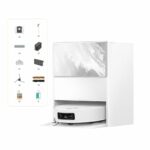
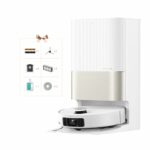
Dreame has made a strong commitment to the premium segment with two proposals that are setting trends in the robot vacuum market. The Dreame L40 Ultra arrived in 2024 as a high-end model with advanced features, whilst the Dreame X50 Ultra Blanca represents the 2025 evolution with significant improvements across several technical aspects.
We're talking about two robots designed for demanding users seeking total automation in home cleaning. Both units feature a multifunction base that washes and dries the mops, as well as a self-emptying dustbin system. The difference lies in the technical details that can make a difference to the user experience in large homes, households with pets or spaces with multiple obstacles.
Power and Suction
The most obvious difference between these Dreame robots is in suction power. The L40 Ultra offers 11000 Pa, a competent figure for most domestic situations. However, the X50 Ultra makes a considerable leap to 20000 Pa, almost doubling the suction capacity. In practice, this translates to better performance on carpets and greater effectiveness picking up ingrained dirt.
The brushing system also evolves. The L40 Ultra features the TriCut 3.0 brush, which combines bristles with blades to reduce hair tangles. The X50 Ultra opts for a dual anti-tangle brush that improves debris capture and minimises maintenance. Both models include a main brush that lifts during mopping and an extendable side brush to better reach corners.
Both units incorporate a liftable and extendable side brush, as well as anti-tangle technology in both brushes. For households with pets, these features make a difference in day-to-day use, reducing the need to manually untangle hair.
Mopping
The mopping system is practically identical in terms of configuration: both feature two rotating mops with 3.0 extension and Roboswing technology, which allows the robot to make a movement to get the mop under furniture and ledges. Mop lifting reaches 10.5 mm in both models, sufficient to pass over thin carpets without wetting them.
Where a relevant difference appears is in the mop washing temperature. The L40 Ultra washes with water at 65°C, whilst the X50 Ultra goes up to 80°C. This higher temperature helps to better remove grease and stains adhered to the mops, maintaining a superior level of hygiene. Drying remains at 45°C in both cases.
Both robots feature dirt detection both on the mops and on the floor, automatically adjusting the mopping intensity. They can also leave the mops at the base when you only need to vacuum, avoiding dragging them around unnecessarily.
Navigation System
The X50 Ultra introduces an important change with its retractable lidar, eliminating the traditional laser turret of the L40 Ultra. This directly contributes to reducing the overall height of the robot, allowing it to slip under lower furniture. Both units integrate a dual camera with artificial intelligence and a front 3D laser sensor to avoid obstacles.
Object recognition capacity doubles in the 2025 model: the X50 Ultra identifies up to 200 different obstacles versus the 100 of the L40 Ultra. In homes with many items on the floor or scattered toys, this improvement is noticeable in navigation fluidity. Both models recognise pets, detect curtains and offer remote camera access for surveillance.
The processor also makes a generational leap: the L40 Ultra features the AI Sage 11.0 Qualcomm, whilst the X50 Ultra incorporates the AI Sage 13.0 Octa-core. This improvement in computing power translates to faster mapping and more agile decision-making during cleaning. Both include LED for night vision and the CleanGenius system that automatically adjusts cleaning parameters according to detected dirt.
Autonomy and Battery
The X50 Ultra is equipped with a 6400 mAh battery, superior to the 5200 mAh of the L40 Ultra. However, the declared autonomy is slightly lower: 180 minutes versus 194 minutes. This makes sense if we consider that the greater suction power of the 2025 model consumes more energy during intensive operation.
In practice, both robots have more than sufficient autonomy for homes of up to 200 square metres on a single charge. The difference in minutes shouldn't be decisive for most users, as both automatically return to the base when they need to recharge and resume cleaning where they left off.
Smart Functions
Here we find one of the most striking differences. The L40 Ultra can overcome obstacles up to 22 mm in height, a standard capability in high-end robots. The X50 Ultra multiplies this figure reaching between 42 and 60 mm depending on the type of obstacle. This means it can navigate door thresholds, thick cables or high-pile carpets without getting stuck.
For homes with multiple rooms separated by small level changes or thick carpets, this capability of the X50 Ultra makes a real difference in cleaning autonomy. Both models include a simple integrated voice assistant, although neither features a robotic arm for additional tasks.
Multifunction Cleaning Base
The bases maintain identical dimensions and similar capacities in the tanks: 3.2 litres for the dust bag, 4.5 litres of clean water and 4 litres of dirty water. Both include a detergent tank and offer an optional kit for connection to plumbing, although this feature requires additional purchase and doesn't come integrated as standard.
The X50 Ultra incorporates third-generation tray self-cleaning versus the second generation of the L40 Ultra, improving automatic system maintenance. The most notable innovation is UV disinfection which is only present in the X50 Ultra, adding an extra level of hygiene in mop washing.
Dimensions
The diameter remains at 350 mm for both robots, but height is where an important functional difference appears. The L40 Ultra measures 103.8 mm tall, whilst the X50 Ultra stays at 89 mm. Those almost 15 millimetres less allow the 2025 model to slip under sofas, beds and low furniture where the L40 Ultra wouldn't reach.
For homes with low-legged furniture, this height reduction can mean cleaning areas that previously required manually moving furniture. The bases maintain identical dimensions: 340 mm wide, 590.5 mm high and 456.7 mm deep, occupying the same space in any corner of the house.
Real-World User Experience
In large homes, the X50 Ultra offers clear advantages with its greater suction power and improved ability to overcome obstacles. The higher capacity battery compensates for the higher energy consumption, maintaining solid performance in large spaces. The 395 ml dustbin versus the 300 ml of the L40 Ultra also reduces emptying frequency in houses with large surface areas.
For households with pets, both models work well thanks to their anti-tangle systems, but the dual brush of the X50 Ultra may prove more effective at picking up animal hair. The 80°C mop washing temperature of the 2025 model also helps to better maintain hygiene when there are pets at home.
The reduced height of the X50 Ultra makes it the best option if you have lots of low furniture or tight spaces under sofas and beds. The L40 Ultra, although taller, remains a competent robot that can access most typical areas in a home.
Conclusion: Which to Choose?
Choose the Dreame L40 Ultra if you're looking for a high-end robot at a more competitive price without sacrificing essential features. It works perfectly in medium-sized homes, offers good performance in vacuuming and mopping, and its navigation system is more than sufficient for most households. If you don't need to overcome very high obstacles nor are you particularly concerned about UV disinfection, this model performs capably.
Choose the Dreame X50 Ultra Blanca if you want the latest in automated cleaning technology. Its doubled suction power makes a difference on carpets and very dirty floors, the ability to navigate obstacles up to 60 mm virtually eliminates any jamming, and the reduced height allows it to clean under furniture inaccessible to other robots. UV disinfection, 80°C mop washing and recognition of 200 obstacles make it the most complete option for large homes, households with demanding pets or users seeking the maximum level of autonomy and features in 2025.