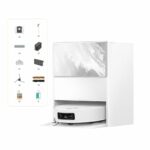
✨ VS Analyze · VacuumSpain comparison technology. AI-generated explanation based on verified technical data.
Introduction
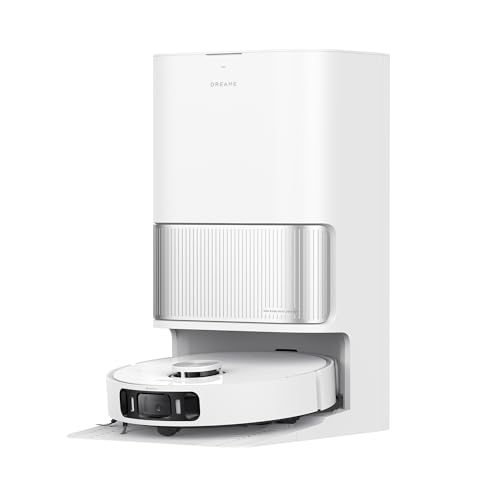
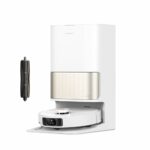
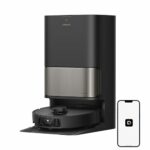
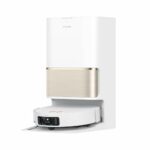
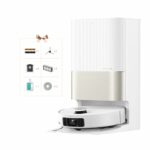
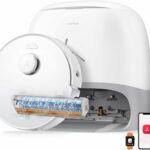
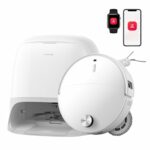
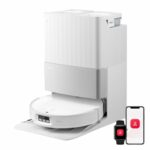
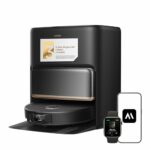
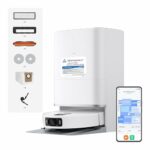
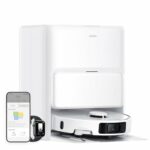
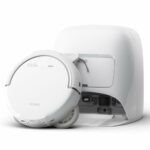
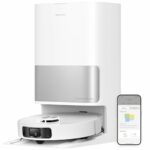
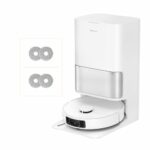
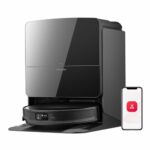
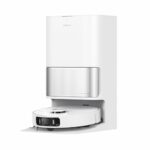
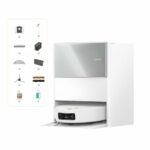
The Dreame L40 Ultra AE and the DJI Romo A (Robot Transparente) represent two compelling options within the 2025 robot vacuum market. Both manufacturers have equipped these models with multifunctional bases that handle everything from dust emptying to mop washing and drying, making them suitable for users seeking a comprehensive cleaning solution with minimal manual intervention.
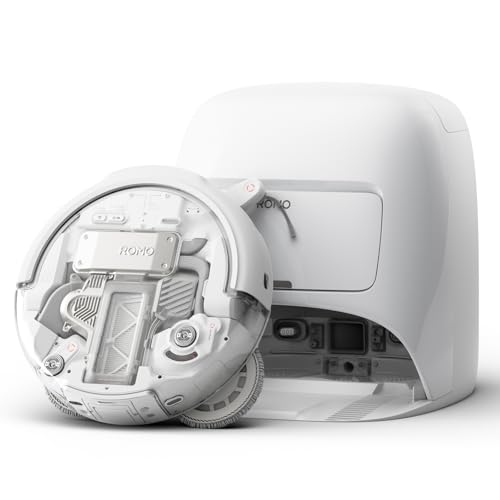
The Dreame L40 Ultra AE arrives from an established player in the robot vacuum segment, whilst DJI brings fresh perspective to this category with their transparent design concept. These models target households looking for advanced navigation, robust mopping capabilities, and intelligent cleaning features that adapt to different floor types and obstacles.
Suction Power and Brushing
The DJI Romo A delivers 25,000 Pa of suction, which exceeds the Dreame L40 Ultra AE's 19,000 Pa by a considerable margin. This translates to stronger pickup on carpets and better performance with embedded debris, particularly important for homes with pets or high-traffic areas.
When it comes to the main brush, Dreame opts for their TriCut 3.0 design, which combines bristles with integrated cutting blades to reduce hair tangles. DJI employs a divided brush system that channels hair towards the central suction point. Both approaches aim to minimise maintenance, though they tackle the problem from different engineering angles. Both models can lift their main brushes when mopping, preventing wet carpets and cross-contamination.
The side brush configuration reveals a clear advantage for the DJI model. Whilst the Dreame uses a standard side brush, the DJI Romo A features an extendable side brush with anti-tangle dual design. This extension helps reach into corners more effectively, and the anti-tangle feature reduces the frequency of hair removal from the brush. Neither model lifts the side brush during mopping.
Mopping System
Both robots use dual rotating mops for floor cleaning. The Dreame L40 Ultra AE incorporates Roboswing technology, which creates a swaying motion that pushes the mop slightly under furniture edges and skirting boards. The DJI Romo A includes mop extension without this specific movement pattern.
Mop elevation differs between the two. Dreame specifies 10.5 mm of lift, which allows the robot to transition onto medium-pile rugs without dragging wet mops across them. DJI confirms mop elevation but doesn't provide the precise measurement.
The base washing systems show an important distinction. The Dreame L40 Ultra AE washes mops with hot water, which helps dissolve grease and sanitise the mop pads more effectively than cold water alone. The DJI model uses standard water temperature for mop cleaning. Both stations dry the mops with hot air to prevent odours and bacterial growth, and both feature automatic cleaning of the washing tray itself—Dreame with a second-generation system, DJI with a dedicated nozzle arrangement.
Both robots detect dirt on the mops and on the floor, triggering additional cleaning passes when needed. This adaptive behaviour ensures thorough cleaning without wasting water or time on already-clean areas.
Navigation System
Navigation technology takes different forms here. The Dreame L40 Ultra AE uses a traditional LiDAR turret for room mapping, whilst the DJI Romo A employs solid-state LiDAR technology. Solid-state systems have no moving parts, potentially offering greater durability and a lower profile, though both approaches deliver accurate mapping.
Both models include AI cameras and 3D laser sensors at the front for obstacle detection. The Dreame confirms recognition of 120 different object types, including specific detection for pets. Both provide remote camera access through their respective apps, and both include LED illumination for navigation in low-light conditions.
The Dreame L40 Ultra AE features CleanGenius AI for intelligent cleaning decisions. The DJI Romo A includes AI-powered stain recognition, which identifies specific marks on the floor and adjusts cleaning intensity accordingly. These intelligent systems reduce the need for manual intervention and ensure appropriate cleaning methods for different situations.
Battery and Autonomy
Battery capacity sits at 5,200 mAh for the Dreame and 5,000 mAh for the DJI. The DJI Romo A specifies 180 minutes of runtime, which should comfortably cover most homes in a single session. Dreame doesn't provide a runtime figure, though the slightly larger battery suggests comparable performance.
Both robots can climb obstacles up to 20 mm high, allowing them to navigate over door thresholds, thick rugs, and minor floor transitions without getting stuck.
Smart Features
Voice assistant compatibility extends to Alexa and Google Home on both models. Neither robot includes a proprietary voice assistant built into the unit itself.
The dust collection bins within the robots measure 395 ml on the Dreame versus 260 ml on the DJI. The Dreame also specifies an 80 ml water tank onboard the robot, though this matters less given both models return to base regularly for mop washing during cleaning cycles.
Multifunctional Base Station
Both bases handle dust emptying, mop washing, mop drying, and detergent dispensing. The dust bags differ in size: 3.2 litres for Dreame, 2.4 litres for DJI. Larger capacity means less frequent bag replacement, particularly relevant for homes with pets or high dust levels.
Water tank capacities favour the Dreame slightly. Clean water storage reaches 4.5 litres compared to 4 litres on the DJI, whilst dirty water collection measures 4 litres versus 3.2 litres. These differences become noticeable in larger homes where the extra capacity allows completing more area before requiring tank maintenance.
Dreame offers an optional plumbing connection kit, sold separately, which allows the base to connect directly to water supply and drainage. This eliminates manual tank filling and emptying entirely, though it requires installation near suitable plumbing. The DJI model doesn't offer this option.
Physical Dimensions
The robots themselves measure nearly identically: 350 mm diameter and 97 mm height for the Dreame, versus 351 mm diameter and 98 mm height for the DJI. These minimal differences won't affect clearance under furniture in practical terms.
Base station footprints vary considerably. The Dreame base measures 340 mm wide, 590.5 mm tall, and 456.7 mm deep. The DJI station spans 453 mm wide, 440 mm tall, and 425 mm deep. The DJI base sits lower but requires more floor width, whilst the Dreame base stands taller but narrower. Consider your available floor space and any overhead clearance when choosing between them.
Real-World Usage Experience
For homes with pets, the DJI Romo A brings advantages through higher suction power and the anti-tangle dual side brush design, which reduces hair maintenance. The Dreame L40 Ultra AE counters with its TriCut 3.0 main brush and hot water mop washing, beneficial for households dealing with muddy paw prints and tracked-in dirt.
Larger homes benefit from the Dreame's bigger dust bag and water tanks, reducing service intervals. The optional plumbing kit becomes particularly attractive for multi-storey houses or those exceeding 150 square metres, where manual tank management grows tedious.
The Roboswing feature on the Dreame helps in homes with lots of furniture, pushing the mop under cabinet toe kicks and similar spaces. The DJI's extendable side brush improves corner cleaning, useful in rooms with complex layouts or built-in furniture.
Both models handle mixed flooring well, with adequate mop elevation to protect carpets and sufficient suction for hard floors. The hot air drying prevents mildew regardless of climate, whilst the hot water washing on the Dreame provides extra sanitisation for families concerned about hygiene.
Conclusion: Which to Choose?
Choose the Dreame L40 Ultra AE if you prioritise hot water mop washing for better hygiene, need the larger 3.2-litre dust bag for extended periods between changes, or want the option to add plumbing connectivity later. The bigger water tanks suit larger homes, and the Roboswing technology helps if you have furniture with narrow gaps underneath. Homes with lots of hard flooring and a focus on mopping performance will appreciate these features.
Choose the DJI Romo A (Robot Transparente) if maximum suction power matters most to your household, particularly if you have thick carpets or multiple pets. The extendable, anti-tangle side brush reduces maintenance and improves edge cleaning. The AI stain recognition adds intelligent spot-cleaning capability, and the solid-state LiDAR may prove more durable over time. The wider but lower base station fits better in spaces with limited vertical clearance but ample floor width.
Pet owners dealing with heavy shedding lean towards the DJI for sheer suction strength and brush design. Families focused on floor washing and long-term convenience find the Dreame's hot water system and larger capacities more compelling. Both represent capable cleaning solutions with multifunctional bases that minimise daily involvement.