✨ VS Analyses · VacuumSpain comparison technology. Explanation created with AI from verified technical data.
Introduction
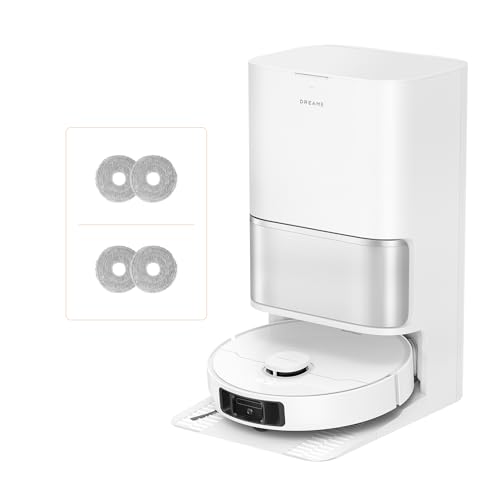
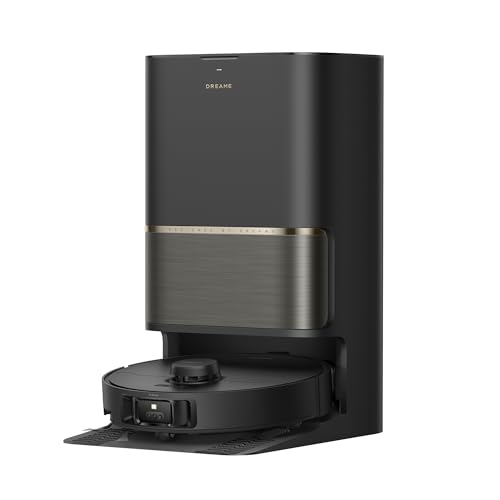
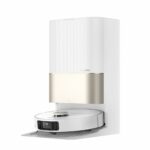
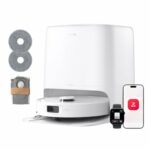
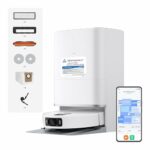
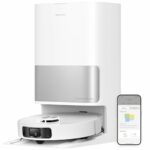
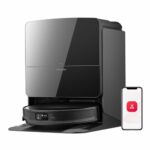
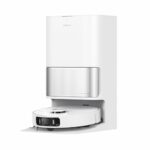
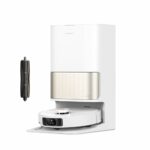
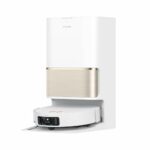
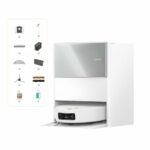
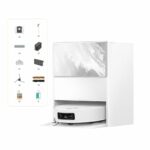
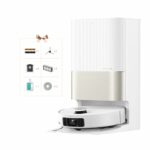
The Dreame L10s Ultra Gen 3 and the Dreame L50s Pro Ultra represent two distinct approaches within Dreame's premium robot vacuum range. The L10s Ultra Gen 3 arrived in November 2025, whilst the L50s Pro Ultra launched in 2026, positioning itself as the more advanced option with enhanced artificial intelligence and additional features. Both models incorporate multifunctional bases that handle automatic emptying, mop washing with hot air drying, and detergent dispensing, making them suitable for users seeking a comprehensive automated cleaning solution.
These aren't entry-level devices. Each model targets households looking for minimal intervention in floor maintenance, though they differ in their approach to navigation intelligence and cleaning adaptability.
Suction Power and Brushing
Suction capacity differs noticeably between these models. The Dreame L50s Pro Ultra reaches 30,000 Pa, whilst the L10s Ultra Gen 3 operates at 25,000 Pa. In practical terms, this translates to better performance on carpets and more effective debris extraction from textured surfaces with the newer model.
The brush configuration reveals more significant distinctions. The L10s Ultra Gen 3 uses a single standard brush, whereas the L50s Pro Ultra incorporates the HyperStream dual-brush system. This design reduces hair tangles considerably, which matters particularly in homes with long-haired residents or pets. The L50s Pro Ultra also lifts its main brush during mopping, preventing carpet contamination when transitioning between floor types. The Gen 3 lacks this feature entirely.
Side brush functionality separates these models further. Both include an extendable side brush for improved corner coverage, but the L50s Pro Ultra adds elevation capability during mopping and anti-tangle technology. The Gen 3's side brush remains static in height and can accumulate hair wraps over time.
Mopping System
Both models employ rotating dual mopas with extension capability and the RoboSwing movement system, allowing them to reach edges and navigate slightly under furniture. Mopa elevation reaches 10.5 mm on each model, sufficient for crossing low-pile rugs without dragging wet fabric across them.
The differences emerge in mopa management and adaptability. The Dreame L50s Pro Ultra can automatically detach its mopas at the base when you want vacuuming only, eliminating manual removal. The L10s Ultra Gen 3 requires you to remove them yourself if you don't want them attached during a vacuum-only session.
Dirt detection represents another gap. The L50s Pro Ultra identifies soiled areas on floors and dirty mopas, triggering additional cleaning passes or mopa rewashing as needed. The Gen 3 follows preset patterns without adjusting to actual dirt levels, which can mean missed spots in high-traffic zones or kitchens.
Water temperature during mopa washing differs substantially. The L50s Pro Ultra heats water to 80°C for washing mopas at the base, whilst the Gen 3 uses cold water. Hot water improves grease removal and sanitisation, particularly relevant for kitchen spills. Both models dry mopas with hot air, preventing odour development.
Navigation System
Navigation hardware shares some common ground. Each model uses a 360° LiDAR turret combined with front-facing 3D laser sensors for obstacle detection. CleanGenius AI software runs on both, creating efficient cleaning routes and room recognition.
The Dreame L50s Pro Ultra distinguishes itself with dual AI cameras that recognise 220 specific obstacles, including pet recognition and curtain detection. This allows more nuanced navigation decisions—avoiding delicate items, identifying pet waste, or steering clear of hanging fabric. The L10s Ultra Gen 3 lacks cameras entirely, relying solely on laser-based detection without visual object classification.
Remote camera access exists only on the L50s Pro Ultra, letting you view your home through the robot's cameras via the app. LED illumination supports night vision, useful for monitoring in low light. The Gen 3 offers none of these visual features.
Battery and Autonomy
Battery capacity sits at 5,200 mAh for both models. The L10s Ultra Gen 3 provides 231 minutes of runtime, though Dreame hasn't published equivalent figures for the L50s Pro Ultra. Given identical battery size, expect similar duration, though higher suction power on the L50s Pro Ultra may reduce runtime slightly when operating at maximum settings.
Neither model specifies maximum coverage area, but 5,200 mAh batteries typically handle 200–250 square metres comfortably in mixed vacuuming and mopping sessions.
Smart Features
Obstacle-climbing ability differs between these robots. The L10s Ultra Gen 3 manages 20 mm obstacles, whilst the L50s Pro Ultra handles simple steps, suggesting capability beyond basic thresholds. This matters when navigating between rooms with uneven flooring transitions or raised door frames.
Voice control takes different forms. Both integrate with Alexa and Google Home for external assistant commands. However, the Dreame L50s Pro Ultra includes its own built-in voice assistant, allowing direct interaction without relying on separate smart speakers. The Gen 3 lacks this onboard assistant.
Multifunctional Base
Base functionality overlaps significantly. Each station automatically empties the robot's dustbin into a 3.2-litre bag, washes mopas (with third-generation tray self-cleaning), dries them with hot air, and dispenses detergent. Clean water tanks hold 4.5 litres, whilst dirty water collects in 4-litre containers. Neither includes UV disinfection or integrated plumbing connection, though optional plumbing kits are available for purchase separately.
The critical distinction lies in mopa washing temperature. The L50s Pro Ultra heats water to 80°C during mopa cleaning at the base, whilst the Gen 3 uses cold water. Hot washing removes stubborn residues more effectively and reduces bacterial growth on mopa fabric.
Dimensions
Robot diameter measures 350 mm for both models, but height differs. The Dreame L10s Ultra Gen 3 stands 97 mm tall, compared to 103.8 mm for the L50s Pro Ultra. That 6.8 mm difference can determine whether the robot fits beneath certain furniture—sofas, bed frames, or kitchen cabinets with minimal clearance. If you need access under low-profile furniture, the Gen 3 holds an advantage.
Base dimensions remain identical at 340 mm width, 590 mm height, and 457 mm depth. Both require similar floor space in your home.
Onboard dustbin capacity measures 300 ml on the Gen 3 versus 250 ml on the L50s Pro Ultra. Water tanks within the robots hold 80 ml each. These differences have minimal practical impact given automatic emptying at the base.
Real-World Usage Experience
For larger homes exceeding 150 square metres, both models provide sufficient battery capacity and base automation to handle complete cleaning cycles without intervention. The L50s Pro Ultra's enhanced suction and dirt detection suit homes with heavier soiling or mixed flooring types requiring adaptive cleaning intensity.
Pet owners benefit more from the L50s Pro Ultra. The HyperStream dual-brush system reduces hair tangles, whilst AI cameras identify pets and their mess, avoiding smearing accidents. The Gen 3's simpler brush requires more frequent maintenance in multi-pet households.
Homes with varied furniture heights favour the L10s Ultra Gen 3. Its lower profile accesses spaces the taller L50s Pro Ultra cannot reach. If you have low-clearance sofas or beds, measure carefully—those 6.8 mm matter.
The L50s Pro Ultra's automatic mopa removal suits households with extensive carpeted areas who want effortless switching between vacuum-only and mopping modes. The Gen 3 requires manual mopa detachment, adding a step to your routine.
Conclusion: Which Should You Choose?
Choose the Dreame L10s Ultra Gen 3 if: you need a robot that fits under low furniture, want solid automated cleaning without premium AI features, or prefer a lower price point for a capable multifunctional system. It handles everyday maintenance well in homes without complex obstacle environments or heavy pet hair challenges.
Choose the Dreame L50s Pro Ultra if: you want maximum suction power, have pets requiring anti-tangle brushes and visual recognition, value adaptive cleaning with dirt detection, need remote camera monitoring, or want hot water mopa washing for superior hygiene. It's the better choice for larger homes with complex layouts and higher cleanliness standards, where its advanced AI and automatic mopa management justify the investment.