✨ VS Analyses · VacuumSpain comparison technology. Explanation created with AI from verified technical data.
Introduction
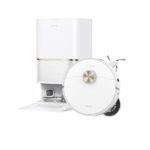
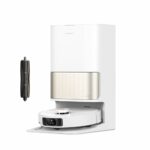
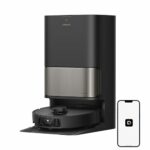
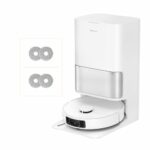
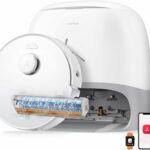
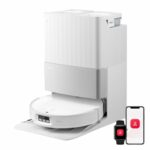
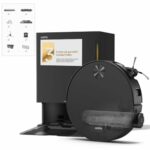
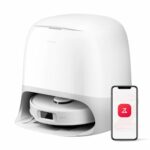
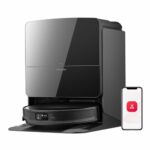
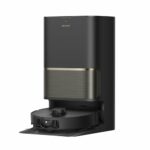
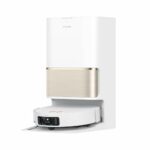
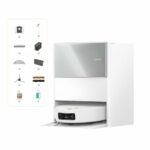
Dreame has launched three high-end models that represent the cutting edge of robotic vacuum technology. The Dreame L10s Ultra Gen 3 arrived in November 2025, whilst the Dreame L40s Pro Ultra was released earlier that same year. The newest addition to the family, the Dreame L50 Ultra AE, appeared in March 2026. All three feature multifunctional cleaning stations that handle both vacuuming and mopping, though they differ significantly in their approach to artificial intelligence, suction power, and advanced features.
These aren't entry-level models. Each one targets users who want comprehensive automation without constant intervention. The presence of self-emptying dust bins, automatic mop washing and drying, and sophisticated navigation systems makes them suitable for medium to large homes where manual cleaning would be time-consuming.
Power and Suction
The Dreame L50 Ultra AE delivers the strongest suction at 28,000 Pa, making it the most powerful of the three. The L10s Ultra Gen 3 follows with 25,000 Pa, whilst the L40s Pro Ultra sits at 19,000 Pa. This might seem like a disadvantage for the L40s Pro Ultra, but in practice, anything above 15,000 Pa handles most household debris effectively. The real difference becomes noticeable with deep carpet cleaning or stubborn dirt embedded in textured flooring.
Battery capacity remains identical across all three at 5,200 mAh. The L10s Ultra Gen 3 achieves 231 minutes of runtime, slightly ahead of the L40s Pro Ultra's 220 minutes. Autonomy data isn't available for the L50 Ultra AE, though the shared battery capacity suggests similar performance.
Main brush technology varies significantly. The L10s Ultra Gen 3 uses a SimpliCut brush, which combines bristles with cutting edges to reduce hair tangles. The L40s Pro Ultra employs a Dual Brush HyperStream system—two brushes anchored at one end that actively prevent hair wrapping. The L50 Ultra AE features TriCut 3.0, an evolution of the cutting-edge design that's particularly effective with long hair and pet fur.
When it comes to brush elevation during mopping, the L40s Pro Ultra and L50 Ultra AE can lift their main brushes to prevent wet carpet contact. The L10s Ultra Gen 3 lacks this feature. The L40s Pro Ultra goes further by also lifting its side brush when mopping, something neither of the other two can do. All three models include an extendable side brush for better corner coverage, but only the L40s Pro Ultra and L50 Ultra AE have anti-tangle side brushes.
Mopping
Each model uses dual rotating mopads with extension capability. The Roboswing feature—where the robot makes a slight swaying motion to reach under furniture edges—is present across all three. Mop elevation reaches 10.5 mm in each case, sufficient for low-pile rugs and raised thresholds.
Water temperature for floor mopping remains cold on all models, but the bases wash mopads with hot water and dry them using warm air. This prevents odours and bacterial growth between cleaning sessions.
The L40s Pro Ultra and L50 Ultra AE can automatically remove their mopads at the base when you want vacuum-only operation. The L10s Ultra Gen 3 requires manual mop removal, which adds a small maintenance step if you frequently switch between modes.
Dirt detection sets the L40s Pro Ultra apart. It can sense when mopads are dirty and when the floor needs extra attention, triggering rewashing or additional passes. Neither the L10s Ultra Gen 3 nor the L50 Ultra AE offer this level of adaptive cleaning. For homes with children or high foot traffic, this makes a tangible difference in final cleanliness.
Navigation System
All three use LiDAR towers for mapping and navigation, combined with frontal 3D laser sensors for obstacle avoidance. The fundamental difference lies in visual intelligence.
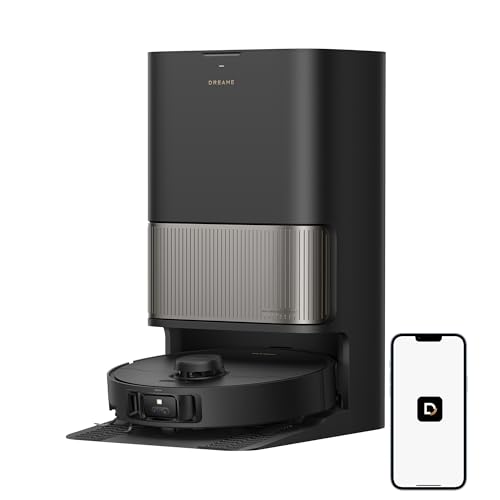
The L40s Pro Ultra incorporates dual AI cameras that enable it to recognise 180 different objects, including pets and curtains. LED night vision allows it to operate effectively in dark rooms. Remote camera access means you can check on your home through the robot whilst you're away—a feature absent from the other two models.
The L10s Ultra Gen 3 and L50 Ultra AE lack cameras entirely. They rely on laser-based detection, which works well for physical obstacles but can't distinguish between a shoe and a pet toy. The L10s Ultra Gen 3 can recognise pets through its sensors, as can the L40s Pro Ultra, but the L50 Ultra AE cannot. Curtain detection, useful for preventing the robot from getting tangled, is exclusive to the L40s Pro Ultra.
CleanGenius AI—Dreame's adaptive cleaning algorithm—features on the L10s Ultra Gen 3 and L40s Pro Ultra. The L50 Ultra AE doesn't include this, which means it won't automatically adjust suction or mopping intensity based on room type or dirt levels.
Battery and Autonomy
With 5,200 mAh batteries, these robots can cover substantial areas before returning to charge. The L10s Ultra Gen 3 manages 231 minutes, enough for approximately 250–300 square metres depending on floor type and suction settings. The L40s Pro Ultra runs for 220 minutes, a negligible difference in real-world use.
Charging times aren't specified in the data, but given the identical battery capacities, expect similar recharge durations across all three. For larger homes, the slight autonomy advantage of the L10s Ultra Gen 3 might reduce the need for mid-clean recharging sessions.
Smart Features
All three can climb obstacles up to 20 mm high, except the L40s Pro Ultra, which handles simple steps without a specific measurement provided. This capability allows them to transition between rooms with raised thresholds or move onto thick rugs without getting stuck.
The L40s Pro Ultra includes a built-in voice assistant, allowing you to issue commands directly to the robot without needing your phone or a smart speaker. The L10s Ultra Gen 3 and L50 Ultra AE don't have this feature, though all three integrate with external assistants like Alexa and Google Home.
Multifunctional Cleaning Base
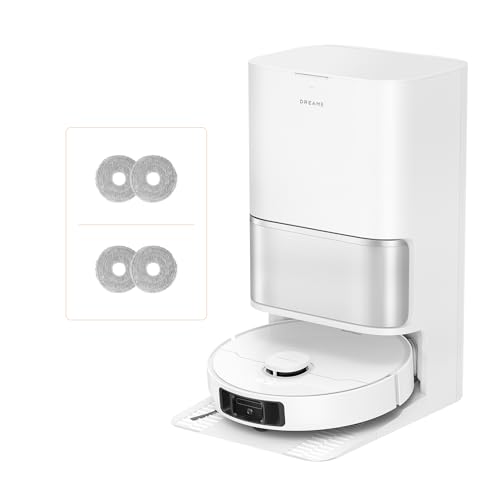
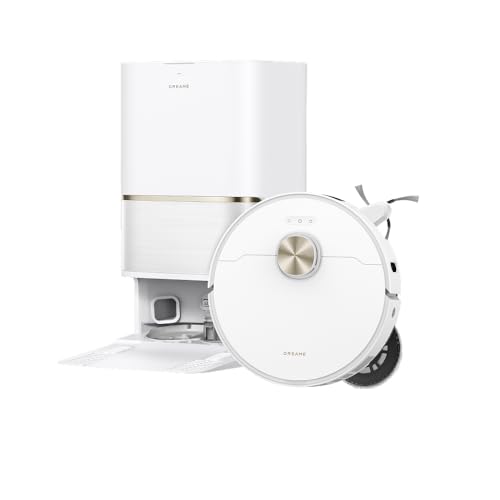
Each base empties the robot's dustbin into a 3.2-litre bag, washes mopads with hot water, and dries them using warm air. Third-generation self-cleaning bandeja technology prevents grime build-up inside the base itself.
Water tanks are identically sized: 4.5 litres for clean water and 4 litres for dirty water. All three bases include a detergent dispenser that adds cleaning solution during mop washing. None feature UV disinfection.
Optional plumbing connection kits are available for all three, allowing you to hook the base directly to water and drainage pipes. This eliminates manual tank refilling and emptying, though it's a separate purchase rather than an included accessory. In practice, this matters most if you're cleaning large areas daily and find tank maintenance tedious.
Dimensions
Robot diameter is consistent at 350 mm. Height differs slightly: the L10s Ultra Gen 3 and L50 Ultra AE measure 97 mm, whilst the L40s Pro Ultra stands at 103.8 mm. That extra 6.8 mm might prevent the L40s Pro Ultra from sliding under certain low-clearance furniture where the other two would fit.
The L40s Pro Ultra's dust tank holds 300 ml, matching the L10s Ultra Gen 3, whilst the L50 Ultra AE has a slightly smaller 250 ml capacity. Water tanks in the robots themselves are 80 ml across the board.
Base dimensions are nearly identical, with widths of 340 mm and heights around 590 mm. Depth varies by fractions of a millimetre—457 mm for the L10s Ultra Gen 3 and L50 Ultra AE, 456.7 mm for the L40s Pro Ultra. These differences won't affect placement decisions.
Real-World Use Experience
For homes with pets, the L40s Pro Ultra's dual cameras and anti-tangle brushes offer clear advantages. It can recognise animals and avoid disturbing them, whilst the HyperStream brush system minimises hair wrap. The L50 Ultra AE's TriCut 3.0 brush also handles pet hair well, though without camera-based pet recognition.
Larger homes benefit from the L10s Ultra Gen 3's superior autonomy and the L50 Ultra AE's powerful 28,000 Pa suction. The L40s Pro Ultra's dirt detection becomes valuable in high-traffic areas where floors need extra attention—kitchens, hallways, or play areas.
If you frequently switch between vacuuming and mopping, automatic mop removal on the L40s Pro Ultra and L50 Ultra AE saves time. The L10s Ultra Gen 3 requires you to manually detach mopads when you want vacuum-only operation.
For users who value remote monitoring—checking on pets, verifying cleaning progress, or using the robot as a mobile camera—the L40s Pro Ultra's remote camera access is unique. The other two models can't provide live video feeds.
Conclusion: Which One to Choose?
Choose the Dreame L10s Ultra Gen 3 if you want strong suction at 25,000 Pa combined with the longest battery life at 231 minutes. It's ideal for medium to large homes without pets where camera-based features aren't essential. The lower height of 97 mm helps it navigate under more furniture.
Choose the Dreame L40s Pro Ultra if advanced AI matters to you. The dual cameras, dirt detection, remote access, and built-in voice assistant make it the smartest of the three. Pet owners benefit from visual recognition and anti-tangle brushes on both sides. Automatic mop removal and adaptive cleaning suit users who want maximum automation despite the lower 19,000 Pa suction.
Choose the Dreame L50 Ultra AE if raw power is your priority. At 28,000 Pa, it delivers the strongest suction for deep carpet cleaning and stubborn dirt. The TriCut 3.0 brush handles hair effectively, and automatic mop removal adds convenience. It's best for users who don't need camera features or AI-driven dirt detection but want top-tier mechanical performance.