✨ VS Analyses · VacuumSpain comparison technology. Explanation created with AI from verified technical data.
Introduction
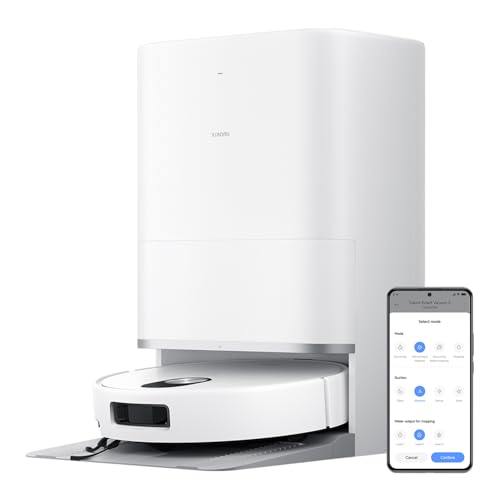
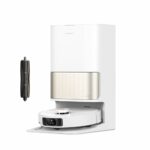
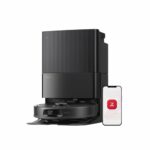
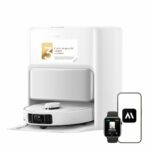
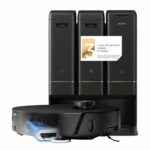
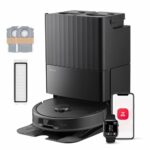
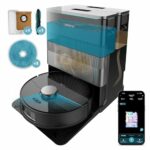
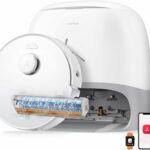
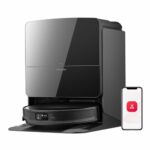
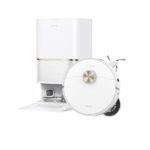
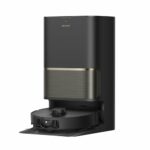
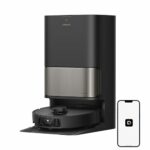
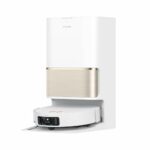
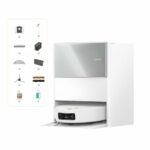
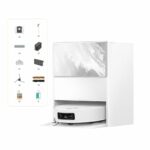
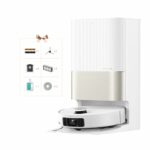
The Dreame L10s Ultra Gen 2 and the Xiaomi Robot Vacuum 5 represent two interesting propositions for those seeking a robot vacuum with a multifunction base capable of vacuuming and mopping with minimal intervention. The former arrived on the market in 2024, whilst the Xiaomi model is a 2025 newcomer that aims to elevate certain technical aspects compared to previous generations.
We're looking at two units designed for homes that require frequent maintenance of hard floors and carpets, with bases that wash and dry the mops automatically. The main difference lies in the approach: one prioritises autonomy and tank capacity, the other opts for raw power and elevated washing temperature.
Power and Suction
The most striking difference in this robot vacuum comparison lies in the suction power. The Xiaomi Robot Vacuum 5 reaches 20000 Pa, double the 10000 Pa offered by the Dreame L10s Ultra Gen 2 in Turbo mode. In practice, this translates to greater capacity to extract ingrained dirt from carpets or tile joints.
The brushing system also varies. The Xiaomi is equipped with the TriCut 3.0 brush, which combines bristles with blades designed to cut hair and reduce tangles. Furthermore, this anti-tangle brush comes fitted as standard. The Dreame L10s Ultra Gen 2 mounts a simple brush that can be fitted with an anti-tangle system, but it doesn't come from the factory.
Where the Xiaomi sets itself apart is in the side brush. Its extendable design allows better reach into corners, something the Dreame model doesn't incorporate. Additionally, the Xiaomi's side brush includes an anti-tangle system, absent in the Dreame. For households with long-haired pets, these differences can be particularly noticeable in the robot's weekly maintenance.
Mopping
Both models use two rotating mops for mopping, but the approach differs considerably. The Xiaomi Robot Vacuum 5 washes the mops with water at 80°C, a temperature that helps dissolve grease better and eliminate bacteria. The Dreame L10s Ultra Gen 2 uses cold water for mop washing, less effective for difficult stains.
Drying also presents differences. The Dreame dries the mops with hot air at 45°C, whilst the Xiaomi uses hot air without specifying exact temperature in the table. This speeds up the process and reduces the risk of bad odours.
Regarding mop lifting, the Xiaomi reaches 15 mm, exceeding the 10.5 mm of the Dreame. This difference allows the Xiaomi robot to pass more safely over thin carpets without wetting them. Both units incorporate mop extension to reach edges, although the Dreame adds the Roboswing 3.0 system, which performs a lateral movement to slightly introduce the mop under furniture or protrusions.
The Dreame L10s Ultra Gen 2 includes a detergent tank in the base, which dispenses product during mop washing. The Xiaomi Robot Vacuum 5 doesn't have this function, which means using only water in the mop cleaning process.
Navigation System
The Dreame L10s Ultra Gen 2 employs a Lidar 3D turret to map the home, whilst the Xiaomi Robot Vacuum 5 opts for a retractable Lidar that reduces the robot's total height. Both incorporate a front 3D laser sensor to detect obstacles at floor level.
A relevant difference: the Dreame recognises pets, which allows configuring dynamic exclusion zones or adjusting cleaning according to the presence of animals. The Xiaomi doesn't include this specific function. Both feature intelligent cleaning via AI, although the Dreame specifies its CleanGenius AI system.
Neither model incorporates a front camera nor remote camera access, nor LED for night vision. Obstacle avoidance is based exclusively on laser sensors.
Autonomy and Battery
Here the Dreame L10s Ultra Gen 2 takes a clear advantage. With 240 minutes of autonomy, it practically doubles the 140 minutes of the Xiaomi Robot Vacuum 5, despite both mounting 5200 mAh batteries. This difference may be due to the energy consumption associated with the Xiaomi's greater suction power.
For large homes, the Dreame's autonomy proves more convenient, as it allows cleaning large surfaces without the need for intermediate recharges. The Xiaomi, with less autonomy but more power, may require pauses in homes over 100 square metres if used in maximum mode.
Smart Functions
Both robots overcome obstacles up to 20 mm in height, sufficient to pass over thick cables or small transitions between rooms. Neither incorporates a robotic arm nor its own voice assistant, functions reserved for higher ranges.
Multifunction Cleaning Base
The Xiaomi Robot Vacuum 5 includes self-cleaning of the washing tray as standard, a system that keeps the base more hygienic without manual intervention. The Dreame L10s Ultra Gen 2 doesn't have this integrated function, although it mentions a "2nd Generation" of tray self-cleaning that isn't entirely clear in its implementation.
The Dreame compensates with a detergent tank that dispenses product during mop washing, something the Xiaomi doesn't offer. This can make a difference in households with children or pets where an extra level of disinfection is valued.
In capacities, the Dreame has advantages in several aspects. Its dust bag reaches 3.2 litres versus the 2.5 litres of the Xiaomi. The clean water tank is 4.5 litres in the Dreame and 4 litres in the Xiaomi; the dirty water tank, 4 litres against 3.8 litres. Small differences but ones that can translate to fewer visits to refill or empty tanks.
The Dreame L10s Ultra Gen 2 has an optional kit for connection to plumbing, which is purchased separately. The Xiaomi doesn't contemplate this option. It's worth bearing in mind that this accessory isn't included and requires additional installation.
Dimensions
The Xiaomi Robot Vacuum 5 measures 88 mm in height, 9 mm less than the 97 mm of the Dreame L10s Ultra Gen 2. This difference can prove decisive for passing under low furniture, sofas or beds with little clearance. The diameter is identical in both: 350 mm.
The bases present similar measurements. The Dreame's measures 340 mm wide, 590.5 mm high and 456.7 mm deep. The Xiaomi's: 360 mm wide, 572 mm high and 470 mm deep. The Xiaomi occupies slightly more width and depth, but is slightly lower.
Real-World Usage Experience
The Dreame L10s Ultra Gen 2 fits well in large homes where autonomy becomes important. Its 240 minutes allow covering large surfaces without pauses, and the detergent tank adds a cleaning bonus in mop mopping. Pet recognition proves useful if you live with animals. The optional plumbing connection kit may interest those seeking to completely forget about tank maintenance, although it must be purchased separately.
The Xiaomi Robot Vacuum 5 stands out in pure power. Its 20000 Pa extracts more dirt from carpets and joints, whilst the TriCut 3.0 brush and anti-tangle system reduce maintenance. The 80°C mop washing and integrated tray self-cleaning mean the base requires less attention. Its lower height facilitates access under low furniture. The tighter autonomy may be noticeable in large houses, although for medium-sized flats it proves sufficient.
In households with long-haired pets, the Xiaomi offers advantages through its extendable side brush and anti-tangle systems on both brushes. The Dreame compensates with specific pet recognition and greater autonomy for prolonged cleaning sessions.
Conclusion: Which to Choose?
Choose the Dreame L10s Ultra Gen 2 if you live in a large house where autonomy is a priority, you value the detergent tank for more thorough mop mopping, you have pets and want the robot to recognise them, or you're interested in the future option of connecting the base to plumbing (although the kit is purchased separately). Also if you're looking for greater capacity in the dust bag and water tanks.
Choose the Xiaomi Robot Vacuum 5 if you prioritise suction power for carpets or very dirty floors, you have low furniture and need a lower robot that passes without problems, you value mop washing with hot water at 80°C and integrated tray self-cleaning, or you live with pets and prefer anti-tangle brushes as standard. For medium-sized flats, its autonomy proves sufficient and the power makes a difference in vacuuming quality.