✨ VS Analyses · VacuumSpain comparison technology. Explanation created with AI from verified technical data.
Introduction
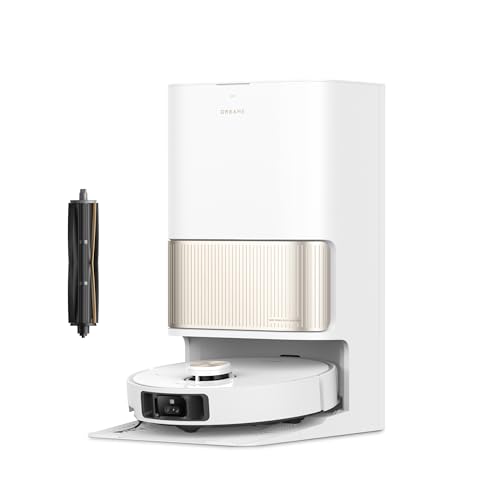
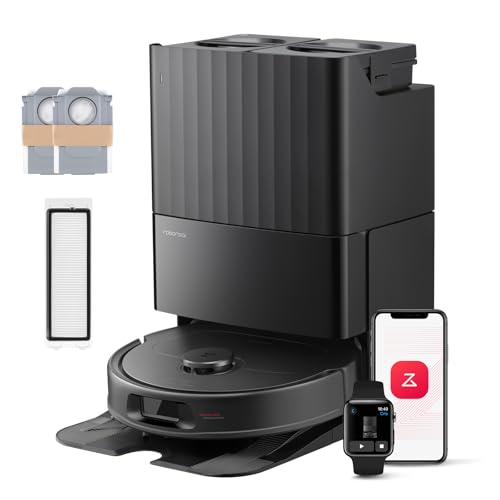
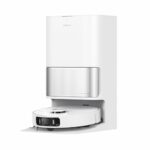
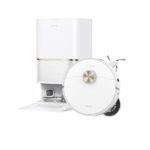
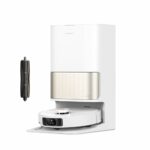
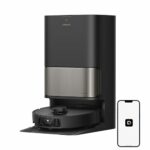
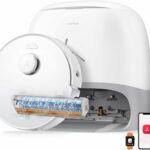
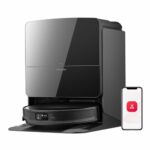
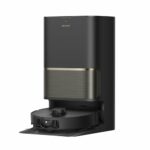
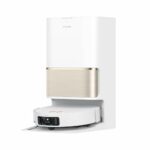
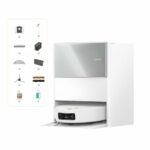
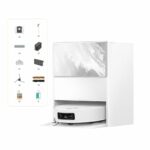
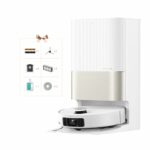
Dreame presents two 2024 models with multifunction base stations that compete directly with each other: the L10s Ultra Gen 2 and the L40 Ultra. Facing them, Roborock launches the QV 35S in 2025, a model that seeks to position itself in the segment of robots with complete vacuuming and mopping. All three units share 10,000 Pa suction power (the L40 Ultra reaches 11,000 Pa) and 5,200 mAh battery, but differences appear in navigation functions, intelligent mopping and cleaning management.
This robot vacuum comparison is designed for those looking for an autonomous unit capable of vacuuming and mopping without constant intervention. The Dreame L40 Ultra stands out as the most advanced model in artificial intelligence, whilst the L10s Ultra Gen 2 offers solid performance at an intermediate level. The Roborock QV 35S opts for the brand's reliability and a more compact base station design.
Power and Suction
The Dreame L40 Ultra leads in power with 11,000 Pa, a notable advantage over the 10,000 Pa of the L10s Ultra Gen 2 and the Roborock QV 35S. In practice, this difference translates into better capacity to vacuum embedded dust in carpets or tile joints.
The brushing system marks clear distances. The L40 Ultra features the TriCut 3.0 brush, designed with blades that cut long hairs and reduce tangles. The other two models use a simple brush, more prone to accumulating pet hair. Additionally, the L40 Ultra lifts the main brush during mopping, preventing it from getting unnecessarily wet and allowing more effective mopping without dragging dirt from the brush.
The L40 Ultra's side brush also lifts in mopping mode and features an extendable design to better reach corners. The L10s Ultra Gen 2 does not offer these functions in the side brush. The Roborock QV 35S incorporates an anti-tangle side brush, like the L40 Ultra, but without lifting or extension.
Mopping
All three robots mop with two rotating mops, but differences appear in intelligent mopping management. The Dreame L10s Ultra Gen 2 and the L40 Ultra integrate mop extension with Roboswing movement, allowing the mops to better reach edges and partially enter under furniture or overhangs. The Roborock QV 35S does not have this extension.
Mop lifting reaches 10.5 mm on both Dreame models and 10 mm on the Roborock. Sufficient to avoid wetting short-pile carpets during mopping.
The Dreame L40 Ultra adds exclusive functions: it automatically removes the mops at the base station when you only need to vacuum, avoiding dragging them unnecessarily. It also detects dirt on both the mops and the floor, activating re-mopping or additional washing cycles when necessary. These capabilities are not present in the L10s Ultra Gen 2 or the Roborock QV 35S.
All three wash the mops with hot water and dry them with hot air, guaranteeing hygiene and preventing bad odours.
Navigation System
All feature LIDAR turret for precise mapping, but artificial intelligence marks important differences. The Dreame L40 Ultra integrates dual AI camera capable of recognising up to 100 different obstacles, including pets and curtains. It offers remote camera access and night vision LED, allowing you to supervise cleaning in real time or use the robot as a surveillance camera.
The Dreame L10s Ultra Gen 2 includes front 3D laser sensor and pet recognition, but without AI camera or remote access. The Roborock QV 35S also does not incorporate a camera and its object recognition capability is more limited: it does not detect pets or curtains.
The L40 Ultra uses the AI Sage 11.0 processor with CleanGenius algorithm, optimising routes and adjusting power according to floor type. The L10s Ultra Gen 2 also employs CleanGenius, whilst the Roborock QV 35S is based on SmartPlan. In homes with pets or many obstacles, the L40 Ultra offers clear advantages.
Autonomy and Battery
All three feature 5,200 mAh battery, but autonomy varies. The Dreame L10s Ultra Gen 2 reaches 240 minutes, the highest figure in this robot vacuum comparison. The L40 Ultra remains at 194 minutes and the Roborock QV 35S at 180 minutes.
This difference may be due to the L40 Ultra consuming more energy for its cameras, advanced processor and additional functions. For large homes, the L10s Ultra Gen 2 offers greater margin without the need for intermediate recharges.
Smart Functions
The Dreame L40 Ultra overcomes obstacles up to 22 mm, whilst the L10s Ultra Gen 2 and the Roborock QV 35S reach 20 mm. Those additional 2 mm can make the difference on thresholds or thick carpets.
The L40 Ultra includes its own voice assistant, in addition to compatibility with Alexa and Google Home. The other two models only support external assistants.
Multifunction Cleaning Base Station
All three base stations auto-empty the dust bin, wash the mops with hot water and dry them with hot air. The dust bag capacity is 3.2 litres for the Dreame models and 2.7 litres for the Roborock. The clean water tanks reach 4.5 litres for the Dreame models and 4 litres for the Roborock; dirty water is stored in 4 litres (Dreame) and 3.5 litres (Roborock).
The Dreame L40 Ultra incorporates second-generation washing tray self-cleaning, a function that the L10s Ultra Gen 2 and the Roborock QV 35S do not have. This reduces manual maintenance of the base station.
Both Dreame models include detergent tank, dispensing product during mop washing. The Roborock QV 35S does not offer this option. Additionally, the Dreame models allow you to purchase an optional kit to connect the base station to water pipes, although this accessory is purchased separately and does not come integrated as standard. The Roborock does not have this possibility.
Dimensions
The Dreame L10s Ultra Gen 2 robot measures 97 mm in height, the lowest of the three. The Roborock QV 35S reaches 96.5 mm and the Dreame L40 Ultra reaches 103.8 mm. That difference of more than 7 mm compared to the L10s Ultra Gen 2 may limit the L40 Ultra's access under low furniture.
The diameter is around 350 mm on all three models (353 mm on the Roborock). The Dreame base stations measure 590.5 mm in height compared to 521 mm for the Roborock, which is more compact vertically. The depth is 456.7 mm for the Dreame models and 487 mm for the Roborock.
Real-World User Experience
For large homes, the Dreame L10s Ultra Gen 2 offers the greatest autonomy (240 minutes), sufficient to clean large surfaces without recharging. The L40 Ultra, with 194 minutes, also covers considerable spaces, although it sacrifices some autonomy in exchange for advanced functions.
In homes with pets, the L40 Ultra stands out for its TriCut 3.0 brush, pet recognition and dirt detection. The simple brush of the other two models requires more manual maintenance to remove tangled hairs.
The L40 Ultra's mopping is more complete thanks to automatic mop removal, dirt detection on floor and mops, and tray self-cleaning. For those seeking minimal intervention, this model reduces maintenance.
The Roborock QV 35S offers a more compact base station in height, useful in spaces with low furniture or shelving. However, it does without detergent tank and advanced AI functions.
Conclusion: Which to Choose?
Choose the Dreame L10s Ultra Gen 2 if you're looking for maximum autonomy (240 minutes), access under furniture (97 mm height) and solid performance without the need for advanced AI functions. Ideal for large homes with few complex obstacles.
Choose the Dreame L40 Ultra if you prioritise advanced artificial intelligence, recognition of 100 obstacles, dirt detection on floor and mops, TriCut 3.0 brush for pets, remote camera access and minimal maintenance thanks to automatic mop removal and tray self-cleaning. Best robot vacuum for homes with pets, many obstacles or those who value maximum autonomy in mopping.
Choose the Roborock QV 35S if you prefer Roborock's reliability, a more compact base station in height (521 mm) and do not need detergent tank or advanced AI functions. Valid option for those seeking an effective unit without additional complications.