✨ VS Analyses · VacuumSpain comparison technology. Explanation created with AI from verified technical data.
Introduction
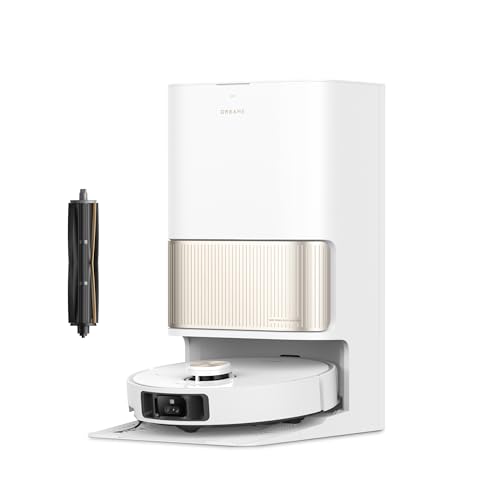
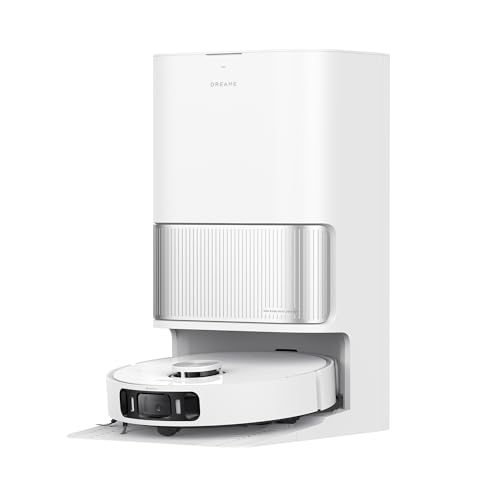
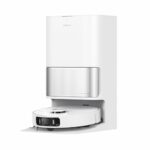
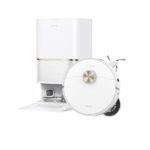
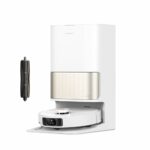
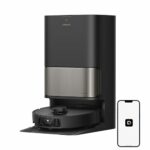
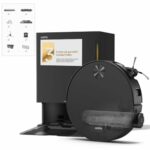
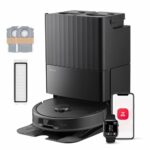
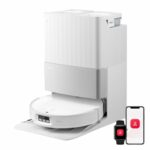
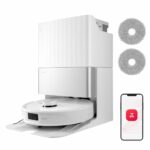
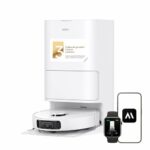
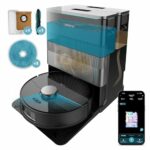
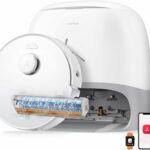
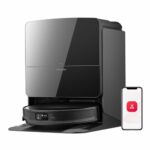
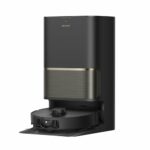
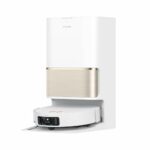
Dreame presents three high-end robot vacuum cleaners that share a surname but show important technical differences. The Dreame L10s Ultra Gen 2 and the Dreame L40 Ultra arrived during 2024, whilst the Dreame L40 Ultra AE was launched in 2025. All three units integrate a multifunctional base with auto-emptying, mop washing and drying, which places them in the premium market segment.
These models are designed for users seeking complete autonomy in cleaning. The presence of a multifunctional base in all three cases ensures that the mops remain clean during mopping and dry afterwards to prevent bad odours. However, the features vary considerably between them, especially in suction power, navigation systems and brushing functions.
Power and Suction
Suction power marks one of the most relevant differences in this robot vacuum cleaner comparison. The Dreame L40 Ultra AE leads with 19,000 Pa, a figure that almost doubles the 10,000 Pa of the L10s Ultra Gen 2. The L40 Ultra sits in the middle ground with 11,000 Pa. This difference is especially important in homes with carpets or pets that shed a lot of hair.
As for the brushing system, the L10s Ultra Gen 2 mounts a simple brush, whilst the L40 Ultra and L40 Ultra AE incorporate the TriCut 3.0 system. This design combines bristles with blades that cut tangled hairs, reducing manual maintenance. The difference in day-to-day use is noticeable when cleaning the brush after each session.
The side brush also presents significant variations. The L40 Ultra stands out with an extendable side brush, liftable during mopping and anti-tangle. This means it reaches corners better and avoids dragging dirt when mopping. The other two models lack these functions on the side brush, which limits their ability to clean edges and corners optimally.
Lifting of the main brush during mopping is only present on the L40 Ultra and L40 Ultra AE. This function prevents the main brush from touching the wet floor, improving the hygiene of the mopping process and preventing the brush from getting unnecessarily wet.
Mopping
All three Dreame robot vacuum cleaners are equipped with two rotating mops and edge extension with Roboswing system, which allows the robot to perform a movement that slightly introduces the mop under furniture and ledges. Mop lifting reaches 10.5 mm in all cases, sufficient to climb thin carpets without wetting them.
Differences appear in more advanced functions. The Dreame L40 Ultra allows automatic removal of mops at the base, which is practical when you only want to vacuum without mopping. This option is not available on the L10s Ultra Gen 2 or the L40 Ultra AE.
Dirt detection on mops and on the floor is present on the L40 Ultra and L40 Ultra AE, but not on the L10s Ultra Gen 2. This function allows the robot to identify dirtier areas and reinforce cleaning in those areas, passing several times until the mops come out clean. In practice, this marks the difference between uniform mopping and one that adapts to the actual state of the floor.
All three bases wash the mops with hot water and dry them with hot air, which accelerates drying and reduces bacterial proliferation. All include a detergent tank to add product during mop washing. The clean and dirty water tanks are identical: 4.5 litres and 4 litres respectively.
Navigation System
Here we find substantial differences. The Dreame L10s Ultra Gen 2 navigates using LiDAR turret and front 3D laser sensor, but does not incorporate AI camera. This limits its ability to recognise specific objects and adjust cleaning according to the type of obstacle.
The L40 Ultra integrates dual AI camera, LiDAR turret and front 3D laser sensor. It recognises up to 100 different obstacles and can detect curtains to avoid them during cleaning. Additionally, it incorporates LED for night vision and allows remote access to the camera, functioning as home surveillance when not cleaning.
The L40 Ultra AE also includes AI camera (although not dual), 3D laser sensor and front LED. It recognises up to 120 obstacles, surpassing the L40 Ultra in this aspect. However, it does not detect curtains like the L40 Ultra. Remote camera access is available.
All three models recognise pets, which allows them to be avoided during cleaning or adjust routes according to their presence. The L40 Ultra specifies that it uses the AI Sage 11.0 processor, whilst the other two do not detail this technical information.
Autonomy and Battery
Battery capacity is identical in all three: 5,200 mAh. However, autonomy varies. The L10s Ultra Gen 2 offers 240 minutes of operation, whilst the L40 Ultra remains at 194 minutes. The L40 Ultra AE does not specify autonomy data.
This difference of almost 50 minutes between the L10s Ultra Gen 2 and the L40 Ultra may be due to the higher suction power and additional functions of the latter, which consume more energy. For medium or large-sized homes, it is worth considering that lower autonomy may imply more intermediate recharges during complete cleaning.
Smart Functions
The ability to overcome obstacles shows slight variations. The L40 Ultra reaches 22 mm in height, whilst the L10s Ultra Gen 2 and L40 Ultra AE remain at 20 mm. These additional two millimetres can make the difference with certain types of carpets or thresholds between rooms.
The Dreame L40 Ultra incorporates its own voice assistant, a function that neither the L10s Ultra Gen 2 nor the L40 Ultra AE have. All three models are compatible with external assistants such as Alexa or Google Home, but only the L40 Ultra allows giving commands directly to the robot without intermediaries.
None of the three units integrates a robotic arm, a function that does appear in some very high-end competing models.
Multifunctional Cleaning Base
All three bases share essential functions: auto-emptying of the dust container, mop washing with hot water and drying with hot air. The dust bag has a capacity of 3.2 litres in all cases, sufficient for several weeks without changing it.
Second-generation self-cleaning of the washing tray is present on the L40 Ultra and L40 Ultra AE, but not on the L10s Ultra Gen 2. This function reduces manual maintenance of the base, preventing dirt residue from accumulating in the tray where the mops are washed.
All three models include a detergent tank and offer an optional plumbing connection kit, which must be purchased separately. None integrates direct plumbing connection or UV disinfection as standard.
Dimensions
The diameter is identical in all three: 350 mm. Height presents differences: the L10s Ultra Gen 2 and L40 Ultra AE measure 97 mm, whilst the L40 Ultra reaches 103.8 mm. These almost 7 additional millimetres may limit access under certain low furniture. If you have sofas or beds with little clearance, it is advisable to verify this data.
The robot's dust container varies slightly: 300 ml on the L10s Ultra Gen 2 and L40 Ultra, compared to 395 ml on the L40 Ultra AE. This difference barely affects in practice, as the base automatically empties the container.
The bases have identical dimensions in all three models: 340 mm wide, 590.5 mm high and 456.7 mm deep. They require the same space at home.
Real-World Usage Experience
For large homes, the L10s Ultra Gen 2 offers greater autonomy (240 minutes), although with lower suction power. The L40 Ultra AE compensates for its unspecified autonomy with 19,000 Pa of power, ideal for intensive cleaning in less time.
If you live with pets, the TriCut 3.0 system of the L40 Ultra and L40 Ultra AE significantly reduces hair tangles. The anti-tangle side brush of the L40 Ultra adds additional advantage. The L10s Ultra Gen 2, with simple brush, requires more manual maintenance.
Dirt detection on mops and floor of the L40 Ultra and L40 Ultra AE notably improves mopping results, adapting cleaning to the actual needs of each area. The L10s Ultra Gen 2 mops uniformly without distinguishing dirt levels.
Remote camera access of the L40 Ultra and L40 Ultra AE adds home surveillance functionality. The L40 Ultra, with dual camera and curtain detection, offers the most sophisticated navigation of the three.
Conclusion: Which One to Choose?
Choose the Dreame L10s Ultra Gen 2 if you seek greater battery autonomy (240 minutes) and have a large home without thick carpets. Also if you do not need advanced navigation functions with camera and prefer a more economical model within the range. Its height of 97 mm facilitates access under low furniture.
Choose the Dreame L40 Ultra if you value the most complete navigation with dual AI camera, detection of 100 obstacles, curtain recognition and its own voice assistant. The extendable and liftable side brush improves corner cleaning. The ability to automatically remove mops is practical if you alternate vacuum-only sessions. It overcomes obstacles up to 22 mm. It is the most technologically complete option, although with lower autonomy than the L10s Ultra Gen 2.
Choose the Dreame L40 Ultra AE if you need maximum suction power (19,000 Pa) for carpets or pets that shed a lot of hair. It recognises up to 120 obstacles and maintains important functions such as AI camera with remote access, dirt detection and tray self-cleaning. Its height of 97 mm allows access under low furniture. It is the best robot vacuum cleaner of the three for intensive cleaning, although it lacks the extendable side brush of the L40 Ultra and automatic mop removal.