✨ VS Analyses · VacuumSpain comparison technology. Explanation created with AI from verified technical data.
Introduction
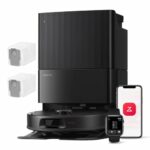
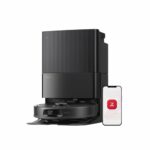
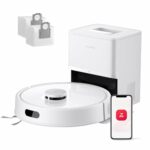
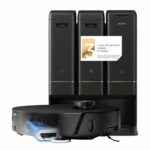
Choosing the right robot vacuum in 2025 means understanding what each model brings to the table. The Dreame D20 Pro Plus represents the latest from Dreame, launched in 2025 with a focus on powerful suction and extended battery life. The Dreame L10s Ultra Gen 2, released in 2024, takes a different approach with its multifunctional base station that handles mop washing and drying. Meanwhile, the Xiaomi Robot Vacuum 5 arrives in 2025 as a high-power option with impressive suction figures and advanced mopping capabilities.
These three models target different user needs. The D20 Pro Plus suits those wanting maximum autonomy and a simpler setup. The L10s Ultra Gen 2 appeals to anyone seeking hands-free mopping maintenance. The Xiaomi model positions itself as a powerhouse for demanding cleaning tasks. Understanding which robot aspirador Dreame or robot aspirador Xiaomi fits your home depends on several technical factors worth examining closely.
Power and Suction
The suction figures tell an interesting story in this comparativa de robots aspiradores. The Xiaomi Robot Vacuum 5 dominates with 20,000 Pa, making it the strongest of the three. The Dreame D20 Pro Plus sits in the middle at 13,000 Pa, whilst the L10s Ultra Gen 2 delivers 10,000 Pa. In practical terms, higher suction helps with deep carpet cleaning and extracting embedded debris from textured surfaces.
What sets the D20 Pro Plus apart is its dual brush system. This configuration can improve debris collection compared to the single TriCut 3.0 brush in the Xiaomi or the standard single brush in the L10s Ultra Gen 2. The TriCut design combines bristles with cutting blades to reduce hair tangles, which matters for pet owners.
Regarding side brushes, the D20 Pro Plus and Xiaomi Robot Vacuum 5 both feature extensible designs that reach further into corners. These two models also incorporate anti-tangle technology in their side brushes. The L10s Ultra Gen 2 lacks these refinements, using a conventional side brush instead. For homes with lots of corners or pet hair, this difference becomes noticeable over time.
None of these models lift their main or side brushes during mopping, which means they remain in contact with the floor throughout cleaning cycles.
Mopping
The mopping systems reveal the biggest functional divide between these models. The Dreame D20 Pro Plus uses a static mop without rotation, extension, or elevation. This limits its mopping effectiveness compared to the other two, which both employ rotating dual mops that actively scrub floors rather than simply dragging across them.
The L10s Ultra Gen 2 lifts its mops 10.5 mm, whilst the Xiaomi Robot Vacuum 5 achieves 15 mm of elevation. This matters when transitioning from hard floors to rugs or carpets, preventing wet mops from dampening textile surfaces. The Xiaomi's extra 4.5 mm clearance provides additional security for thicker rugs.
Mop extension changes how well these robots clean edges. The L10s Ultra Gen 2 features Roboswing technology, allowing the robot to swing its body slightly to push the mop closer to skirting boards and furniture edges. The Xiaomi includes mop extension without this swinging movement. The D20 Pro Plus offers neither, leaving a larger gap along walls.
All three use cold water for floor mopping. None can detect floor dirt or monitor mop cleanliness during operation. They also lack automatic mop removal at the base station, meaning you'll need to detach mops manually if you want to run vacuum-only cycles.
System Navigation
Navigation technology remains fairly consistent across these models, though with subtle variations. The Xiaomi Robot Vacuum 5 uses a retractable LiDAR system, which can lower the robot's profile slightly. The two Dreame models feature traditional LiDAR towers that remain fixed.
All three include 3D laser sensors at the front for obstacle detection. These sensors help identify objects in the robot's path and adjust cleaning routes accordingly. However, none of these models incorporates an AI camera for visual recognition.
The L10s Ultra Gen 2 stands out with pet recognition capabilities and CleanGenius AI for intelligent cleaning adjustments. The Xiaomi offers AI-driven cleaning intelligence without specific pet recognition. The D20 Pro Plus operates without these advanced AI features, relying purely on LiDAR mapping and laser sensors.
Remote camera access isn't available on any of these models, nor do they include LED illumination for low-light navigation. Each robot can climb obstacles up to 20 mm high, handling common thresholds and transitions between rooms.
Autonomy and Battery
Battery capacity sits at 5,200 mAh across all three models, yet runtime varies significantly. The Dreame D20 Pro Plus achieves 285 minutes of continuous operation, making it the clear winner for extended cleaning sessions. The L10s Ultra Gen 2 manages 240 minutes, whilst the Xiaomi Robot Vacuum 5 delivers just 140 minutes despite having the highest suction power.
This disparity reflects the energy demands of different features. The Xiaomi's 20,000 Pa suction and rotating mops consume battery faster than the D20 Pro Plus's more efficient configuration. For larger homes, the D20 Pro Plus can cover more ground before returning to charge, potentially completing the entire cleaning cycle without interruption.
None of the manufacturers specify charging times in the available data, so recovery speed between cleaning sessions remains unclear. What we can deduce is that the D20 Pro Plus offers the best autonomy-to-power ratio, whilst the Xiaomi prioritises raw cleaning performance over runtime.
Smart Functions
All three models handle 20 mm obstacles with equal capability, stepping over door thresholds and floor transitions without difficulty. This standard clearance suits most residential environments.
Voice assistant integration works through external platforms like Alexa and Google Home on all three robots. None includes a proprietary voice assistant built into the unit itself. This means you'll control these robots through existing smart home ecosystems rather than a unique voice interface.
Multifunctional Cleaning Base
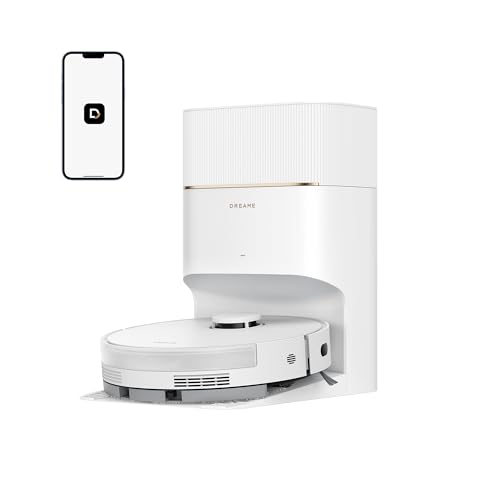
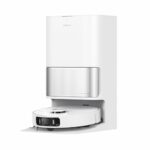
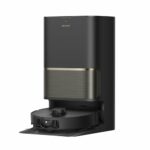
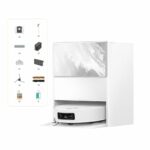
The base stations create the most significant practical differences between these models. The Dreame D20 Pro Plus features a basic auto-empty station that collects dust but doesn't wash or dry mops. Its 5-litre dust bag offers the largest capacity of the three, reducing how often you'll need to replace it.
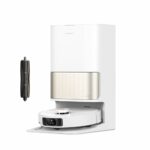
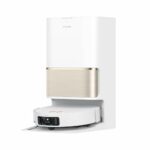
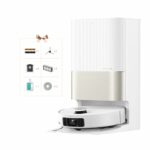
The L10s Ultra Gen 2 transforms the maintenance equation with automatic mop washing using hot water and hot air drying. During mopping sessions, the robot returns periodically to clean its mops, ensuring it always works with fresh pads. After completing the job, it washes and dries the mops to prevent odours and bacterial growth. This station includes a 3.2-litre dust bag, 4.5-litre clean water tank, and 4-litre dirty water tank. A detergent dispenser adds cleaning solution during mop washing. An optional kit allows connection to household plumbing, though this requires separate purchase.
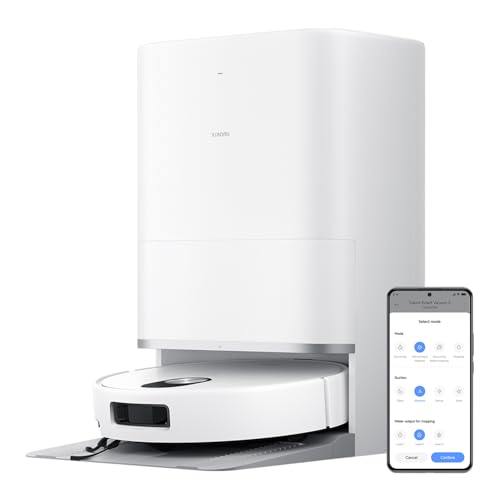
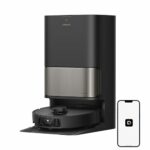
The Xiaomi Robot Vacuum 5 also provides mop washing with hot water and hot air drying, plus automatic tray cleaning that the L10s Ultra Gen 2 lacks. Its dust bag holds 2.5 litres, with 4-litre clean and 3.8-litre dirty water tanks. No detergent dispenser or plumbing connection option exists for this model.
For anyone seeking minimal maintenance, the L10s Ultra Gen 2 or Xiaomi make more sense than the D20 Pro Plus, which requires manual mop cleaning. The difference between these two multifunctional bases comes down to the tray self-cleaning feature in the Xiaomi versus the detergent dispenser in the L10s Ultra Gen 2.
Dimensions
All three robots share a 350 mm diameter, standard for most robot vacuum cleaners. Height varies slightly but meaningfully. The Xiaomi Robot Vacuum 5 measures 88 mm tall, whilst the Dreame D20 Pro Plus reaches 96.8 mm and the L10s Ultra Gen 2 stands at 97 mm. That 9 mm difference between the Xiaomi and the Dreame models could determine whether these robots fit under certain sofas, beds, or kitchen cabinets.
Base station footprints differ more substantially. The D20 Pro Plus base measures 298 mm wide, 452 mm tall, and 440 mm deep—the most compact option. The L10s Ultra Gen 2 requires 340 mm width, 590.5 mm height, and 456.7 mm depth. The Xiaomi demands the largest floor space at 360 mm wide, 572 mm tall, and 470 mm deep. In tight laundry rooms or small utility spaces, these dimensions matter considerably.
Real-World Usage Experience
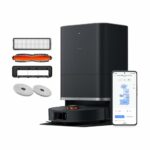
The Dreame D20 Pro Plus suits larger homes where extended runtime matters more than advanced mopping. Its 285-minute autonomy and 5-litre dust bag mean less frequent intervention. The dual brush system helps with debris collection, though you'll need to clean mops manually after each use. The compact base fits more easily into smaller spaces. This model works well for primarily hard floors with occasional mopping needs where you don't mind some hands-on maintenance.
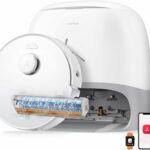
The L10s Ultra Gen 2 targets users wanting comprehensive automation. The multifunctional base handles mop washing and drying, making it genuinely hands-off for several weeks at a time. Pet recognition helps navigate around animals, whilst CleanGenius AI optimises cleaning patterns. The 240-minute runtime covers most homes adequately. This robot aspirador Dreame makes sense for busy households with pets and mixed flooring where mopping happens frequently.
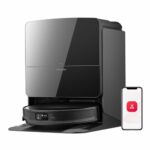
The Xiaomi Robot Vacuum 5 delivers maximum cleaning power with its 20,000 Pa suction, ideal for deep-pile carpets and homes with heavy soiling. The 15 mm mop lift provides excellent carpet protection. Automatic tray cleaning reduces base maintenance compared to the L10s Ultra Gen 2. However, the 140-minute runtime limits it to smaller homes or requires mid-clean recharging in larger spaces. The tallest base station needs adequate clearance. This option suits smaller homes with demanding cleaning requirements, particularly where carpet deep-cleaning matters.
For pet owners, the L10s Ultra Gen 2's pet recognition and the anti-tangle brushes in both the D20 Pro Plus and Xiaomi offer advantages. The TriCut brush in the Xiaomi specifically addresses hair tangles. All three handle hard floors competently, but the rotating mops in the L10s Ultra Gen 2 and Xiaomi provide noticeably better mopping results than the static mop in the D20 Pro Plus.
Conclusion: Which to Choose?
Choose the Dreame D20 Pro Plus if you have a larger home where runtime matters most, you're comfortable with manual mop maintenance, and you want the largest dust bag capacity. The dual brush system and compact base add practical value, whilst the lower price point compared to multifunctional alternatives makes this the better robot aspirador 2025 for budget-conscious buyers wanting solid performance without full automation.
Choose the Dreame L10s Ultra Gen 2 if you want maximum convenience with automatic mop washing and drying, you have pets that benefit from recognition features, and you value the detergent dispenser for enhanced cleaning. The CleanGenius AI and option to connect to plumbing (via separate kit) future-proof this investment. This represents the best balance between automation and performance in this comparativa entre robots aspiradores.
Choose the Xiaomi Robot Vacuum 5 if you need the highest suction power for deep carpet cleaning, you have a smaller home where the 140-minute runtime suffices, and you want the lowest profile for fitting under furniture. The automatic tray cleaning reduces base maintenance, whilst the 15 mm mop lift provides superior carpet protection. This robot aspirador Xiaomi suits those prioritising raw cleaning power and compact height over extended autonomy.