✨ VS Analyses · VacuumSpain comparison technology. Explanation created with AI from verified technical data.
Introduction
The Cecotec Conga X70 and the Roborock Q7 L5 or BF represent two distinct approaches to automated floor cleaning, both launched in 2025. The Conga X70 positions itself as a comprehensive cleaning solution with a multifunctional base station, whilst the Roborock model offers a more streamlined package focused on core vacuuming capabilities. These differences make them suitable for different household needs and budgets.
The Cecotec robot aspirador targets users seeking an all-in-one system that handles both vacuuming and mopping with minimal intervention. The Roborock Q7 L5 or BF, meanwhile, appeals to those prioritising reliable navigation and suction power without the complexities of a full base station. Understanding which features matter most for your home will determine the better robot aspirador for your situation.
Power and Suction
Suction power presents a substantial gap in this comparativa de robots aspiradores. The Cecotec Conga X70 generates 15,000 Pa, nearly double the 8,000 Pa offered by the Roborock Q7 L5 or BF. In practical terms, this translates to more aggressive dirt pickup, particularly beneficial for homes with pets or high-traffic areas where debris accumulates quickly.
Both models utilise bristle brushes as their main cleaning mechanism. Neither offers an elevating main brush during mopping, which means the bristles remain in contact with the floor throughout all cleaning modes. This design works adequately for hard floors but may complicate mopping on certain surfaces where you'd prefer the brush to lift away.
The side brush configuration remains identical between the two: neither features extension, elevation, or anti-tangle technology. This means corner cleaning relies solely on the brush's standard reach, without adaptive mechanisms to improve edge performance.
Mopping
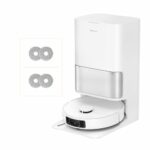
The mopping systems diverge dramatically. The Conga X70 employs rotating dual mops that actively scrub the floor, whilst the Roborock Q7 L5 or BF relies on a static mop that simply drags across surfaces. This fundamental difference affects cleaning effectiveness, especially on stubborn marks or textured flooring.
Mop extension for border cleaning appears only on the Cecotec robot aspirador, allowing it to reach closer to skirting boards and edges. The Roborock lacks this feature entirely. Additionally, the Conga X70 lifts its mops 8 mm when encountering carpets or rugs, preventing unwanted dampness on textile surfaces. The Roborock offers no mop elevation whatsoever, which limits its versatility in mixed-flooring homes.
Neither model heats the water used for floor mopping, relying instead on cold water. Both also lack automatic mop removal at the base station, soil detection in mops, or floor-level dirt recognition for targeted cleaning.
Cleaning Station Capabilities
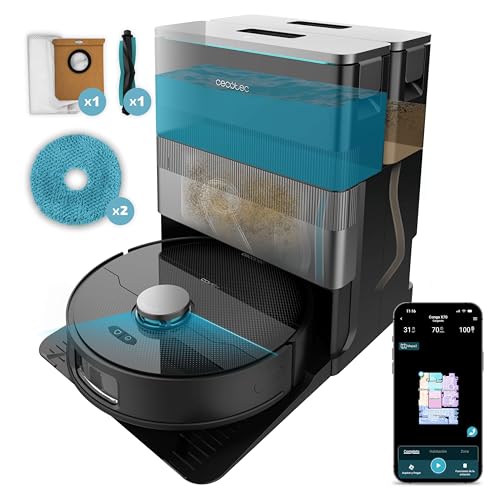
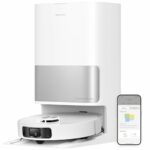
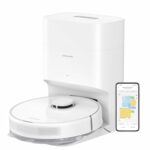
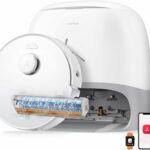
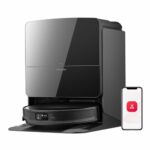
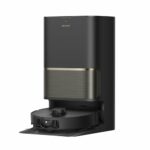
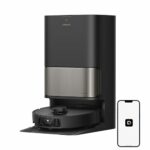
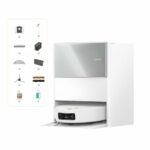
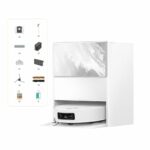
The base station represents the most significant divide in this comparison. The Cecotec Conga X70 includes a comprehensive multifunctional base that auto-empties the dust bin into a 2.5-litre bag, washes the mops with cold water from a 4-litre clean water tank, and dries them using hot air to prevent odours and bacterial growth. The dirty water collects in a 3.5-litre tank, meaning extended periods between manual intervention.
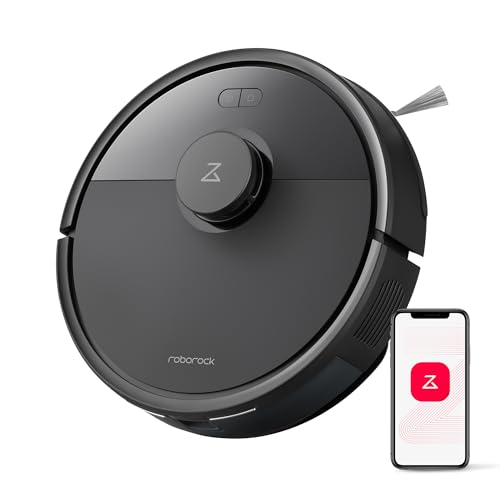
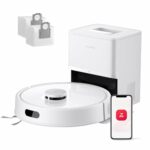
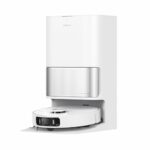
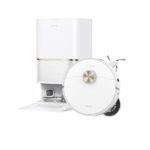
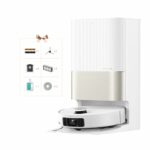
The Roborock Q7 L5 or BF ships without any base station functionality beyond charging. There's no auto-emptying, no mop washing, no drying system. Users must manually empty the 400 ml dust container and manage the 270 ml water tank themselves. For those seeking convenience and hands-off operation, this difference proves decisive.
Neither base offers tray self-cleaning, UV disinfection, detergent dispensing, or plumbed water connections. The Cecotec's advantage lies purely in automating the emptying, washing, and drying processes that the Roborock requires manual attention for.
Navigation System
Both robots employ 3D LiDAR turrets for mapping and navigation, ensuring systematic room coverage and efficient path planning. However, the Cecotec Conga X70 supplements this with an AI camera and frontal 3D laser sensor specifically for obstacle avoidance. The Roborock Q7 L5 or BF lacks both these technologies, relying solely on LiDAR for spatial awareness.
In practice, this means the Conga X70 can identify and navigate around objects more intelligently, reducing the likelihood of collisions or getting stuck. Neither model specifies the exact number of recognisable obstacles, nor do they offer pet recognition, curtain detection, remote camera access, or night vision LEDs. AI-driven cleaning intelligence or stain recognition features don't appear on either robot aspirador.
Battery and Autonomy
The battery capacity difference favours the Cecotec model considerably. Its 5,200 mAh cell dwarfs the 3,200 mAh unit in the Roborock Q7 L5 or BF. Whilst neither manufacturer provides runtime estimates or recommended coverage areas in the available data, the larger battery typically translates to longer cleaning sessions before returning to charge.
Charging times remain unspecified for both models. The practical implication of the battery difference becomes most apparent in larger homes or when running intensive cleaning modes that demand more power, such as maximum suction combined with mopping.
Smart Features
Obstacle climbing capability differs between the two. The Conga X70 manages thresholds and transitions up to 30 mm high, whilst the Roborock handles 20 mm. That extra centimetre can determine whether a robot successfully navigates certain doorway thresholds or gets stranded.
Neither model includes a robotic arm or proprietary voice assistant. The Roborock Q7 L5 or BF does integrate with external voice assistants like Alexa or Google Home, offering hands-free control through existing smart home ecosystems. The Cecotec robot aspirador lacks this compatibility entirely, requiring app or button-based operation.
Dimensions
The Roborock measures 325 mm in diameter and stands 99 mm tall, making it the more compact option. The Cecotec Conga X70 spans 340 mm across with a height of 110 mm. That 11 mm height difference can prove critical for furniture clearance—the Roborock fits under more low-profile sofas, beds, and cabinets.
Base station dimensions tell a different story. The Roborock's simple charging dock measures just 160 mm wide, 101 mm tall, and 70 mm deep—a minimal footprint. The Conga X70's multifunctional base requires substantially more space: 340 mm wide, 450 mm tall, and 425 mm deep. You'll need to allocate a dedicated area for this larger unit, though it consolidates multiple functions into one station.
Real-World Usage
For larger homes, the Conga X70's superior battery capacity and multifunctional base reduce maintenance frequency. The auto-emptying function proves particularly valuable when covering extensive floor areas that generate significant dust accumulation. The higher suction power also ensures thorough cleaning across spacious layouts.
Homes with multiple floor types benefit from the Cecotec's mop elevation and rotating cleaning action. The ability to lift mops when encountering rugs prevents dampness, whilst the active scrubbing tackles kitchen spills and bathroom grime more effectively than a static mop. The Roborock's lack of mop lift restricts it primarily to hard-floor-only homes or requires manual mop removal before vacuuming carpeted areas.
Pet owners might appreciate the Conga X70's stronger suction for embedded fur and the hot air mop drying that prevents odours in the base station. However, neither model offers specific anti-tangle brush technology, so regular maintenance of bristle brushes remains necessary regardless of choice.
The Roborock's slimmer profile suits homes with low-clearance furniture, where those extra millimetres determine access to under-bed or under-sofa spaces. Its simpler operation and external voice assistant support appeal to users preferring straightforward functionality without managing base station tanks and bags.
Conclusion: Which to Choose?
Choose the Cecotec Conga X70 if: you want comprehensive automation with minimal manual intervention, have a larger home requiring extended battery life and auto-emptying, need effective mopping with rotating mops and automatic washing/drying, prefer higher suction power for deep cleaning, and can accommodate the larger base station footprint. This mejor robot aspirador suits households seeking an all-in-one solution where the robot handles both vacuuming and mopping with genuine thoroughness.
Choose the Roborock Q7 L5 or BF if: you have low-profile furniture requiring a slimmer robot, prefer a compact charging dock with minimal space requirements, want integration with existing Alexa or Google Home setups, don't mind manually emptying the dust bin and managing water tanks, primarily need vacuuming rather than intensive mopping, or seek a more budget-conscious option without base station complexities. This robot aspirador Roborock delivers reliable core functionality without the bells and whistles.
The diferencias entre these models ultimately centre on automation level and mopping capability. The Conga X70 invests heavily in convenience features and active floor washing, whilst the Roborock focuses on essential vacuuming with smart home integration. Your choice depends on whether you value hands-off operation and comprehensive mopping enough to justify the larger footprint and likely higher investment of the Cecotec option.