✨ VS Analyses · VacuumSpain comparison technology. Explanation created with AI from verified technical data.
Introduction
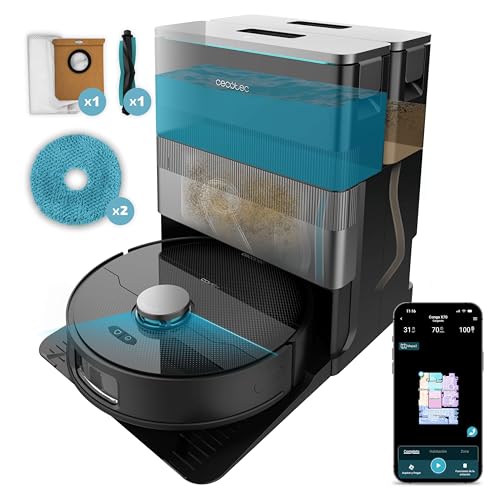
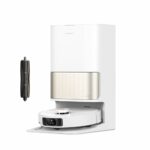
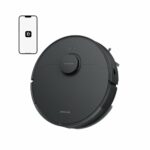
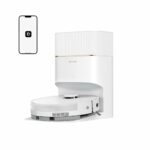
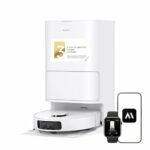
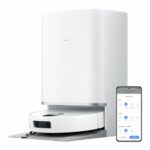
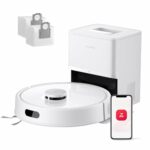
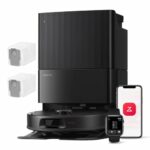
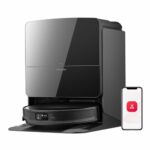
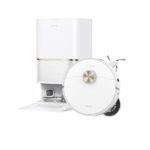
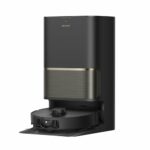
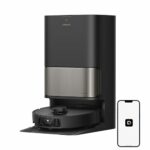
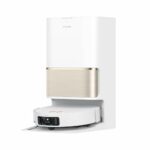
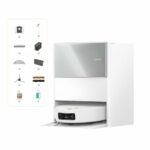
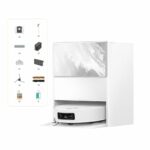
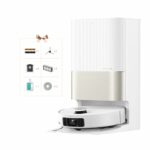
The Cecotec Conga X70 and the Dreame L10s Ultra Gen 2 represent two different propositions within the robot vacuum segment with multifunctional base stations. The former arrives on the market in 2025 as Cecotec's latest offering, whilst the Dreame model was launched in 2024 and already has some market experience. Both units integrate self-emptying, mop washing and drying bases, which guarantees reduced maintenance and more efficient mopping than models with simple bases.
We're talking about robots designed for users seeking to maximise home cleaning automation, with advanced navigation features and rotary mopping systems. The differences between them mainly affect suction power, main brush design, some aspects of intelligent navigation and the dimensions of both the robot and the base station.
Power and Suction
The most striking difference in this section is marked by suction power. The Cecotec Conga X70 offers 15,000 Pa, a figure that far exceeds the Dreame L10s Ultra Gen 2's 10,000 Pa. This advantage translates into greater capacity to vacuum embedded dust, medium-pile carpets or heavier debris. For homes with pets that shed a lot of hair or dwellings with carpets, this difference can be particularly noticeable in day-to-day use.
Regarding the main brush, the Conga X70 mounts a bristle brush, whilst the Dreame equips a simple brush without specifying material. Bristle brushes tend to tangle more with long hair, although their effectiveness on carpets is usually superior. Neither model incorporates main brush lifting during mopping, nor do they include an extendable or liftable side brush.
Both robots share a 5,200 mAh battery, although we only know the Dreame's runtime: 240 minutes. This figure allows coverage of large homes without the need for intermediate recharges.
Mopping
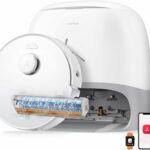
Both units opt for a two rotating mop system, which guarantees deeper mopping than traditional drag mops. Both the Conga X70 and the Dreame L10s Ultra Gen 2 feature mop extension to better reach edges. The Dreame also adds Roboswing movement, which allows the robot to perform a slight swing to introduce the mop under furniture or overhangs.
Mop lifting differs slightly: the Conga X70 raises them up to 8 mm, whilst the Dreame reaches 10.5 mm. This greater lifting of the Dreame model is useful when the robot moves from hard floor to carpets, preventing wet mops from touching them.
Both bases wash the mops with cold water and dry them with hot air, which speeds up the process and reduces the risk of bad odours. Neither model automatically removes the mops at the base nor incorporates dirt detection to rewash or rescrub particularly dirty areas. They also don't have hot water to mop the floor directly.
Navigation System
Both robots integrate 3D LiDAR turret and front 3D laser sensor to avoid obstacles. An important difference appears here: the Cecotec Conga X70 incorporates an AI camera, whilst the Dreame L10s Ultra Gen 2 doesn't include one. This camera can provide additional information to recognise objects, although in practice the Dreame compensates for this absence with other intelligent functions.
The Dreame L10s Ultra Gen 2 features pet recognition and the CleanGenius AI function, which automatically adjusts cleaning parameters according to floor type or detected dirt. The Conga X70 doesn't have these functions. Neither allows remote camera access nor incorporates night vision LED.
Runtime and Battery
Both robots mount a 5,200 mAh battery. The Dreame L10s Ultra Gen 2 offers 240 minutes of runtime, sufficient for considerably sized homes. The Conga X70 doesn't specify this data, although with the same battery capacity similar figures can be expected, always depending on usage mode and selected power.
The Conga X70's greater suction power may consume more energy in intensive modes, which is worth bearing in mind if maximum runtime is prioritised.
Intelligent Features
The Cecotec Conga X70 stands out for its ability to overcome obstacles up to 30 mm, a figure higher than the Dreame L10s Ultra Gen 2's 20 mm. This difference is relevant in homes with thick carpets, door guides or small level changes between rooms.
The Dreame, on the other hand, offers compatibility with external voice assistants such as Alexa or Google Home, something the Conga X70 doesn't include. This facilitates voice control without needing to use the manufacturer's app. Neither model incorporates a robotic arm nor its own voice assistant.
Multifunctional Cleaning Base
Both bases perform self-emptying of the dust container, mop washing with cold water and drying with hot air. The most notable difference here is that the Dreame L10s Ultra Gen 2 includes a detergent tank, whilst the Cecotec Conga X70 doesn't integrate one. This allows the Dreame to automatically add cleaning product during mop washing, improving hygiene and reducing the need for manual intervention.
The dust bag capacity is 2.5 litres in the Conga X70 and 3.2 litres in the Dreame, which means fewer bag changes in the latter. The clean and dirty water tanks are also slightly larger in the Dreame: 4.5 litres compared to 4 litres for clean water, and 4 litres compared to 3.5 litres for dirty water.
The Dreame also offers an optional plumbing connection kit, which is purchased separately and allows dispensing with manual filling and emptying of the tanks. The Conga X70 doesn't have this option. Neither base includes tray self-cleaning, UV disinfection nor integrated plumbing connection.
Dimensions
The Cecotec Conga X70 has a diameter of 340 mm and a height of 110 mm. The Dreame L10s Ultra Gen 2 measures 350 mm in diameter and 97 mm in height. This 13 mm difference in height can be decisive if you're looking for a robot capable of slipping under low furniture, sofas or beds with little clearance from the floor. The Dreame wins in this aspect.
The Conga X70's base measures 340 mm wide, 450 mm high and 425 mm deep. The Dreame's has the same width dimensions, but reaches 590.5 mm in height and 456.7 mm in depth. The Dreame's base is considerably taller, which can influence final placement if available space is limited.
Real-World User Experience
The Cecotec Conga X70 emerges as an interesting option for those who prioritise suction power and the ability to overcome obstacles. Its greater height, however, may limit access under certain furniture. The absence of a detergent tank in the base means washing mops with water only, which may require occasional manual intervention if mopping with product is desired.
The Dreame L10s Ultra Gen 2, lower and with greater storage capacity in the base, is more convenient for homes where total autonomy and access under furniture is valued. The detergent tank adds a bonus of automatic hygiene, and functions such as CleanGenius AI or pet recognition provide a superior level of intelligence in cleaning management.
For homes with pets, the Dreame offers specific recognition, although the Conga X70's greater power can compensate for this absence when it comes to picking up large quantities of hair or embedded dirt. In homes with thick carpets or level changes, the Conga X70's ability to overcome 30 mm makes a real difference.
Conclusion: Which to Choose?
Choose the Cecotec Conga X70 if... you're looking for the highest available suction power, need to overcome obstacles up to 30 mm, value the presence of an AI camera and prefer a more compact base in height. It's suitable for homes with thick carpets, level changes or lots of embedded dirt.
Choose the Dreame L10s Ultra Gen 2 if... you prioritise a lower robot capable of accessing under furniture, value the detergent tank for more hygienic mopping, need greater storage capacity in the base and want intelligent functions such as CleanGenius AI or pet recognition. Also if you're interested in the option of connecting the base to plumbing in the future via optional kit. It's the most balanced option for those seeking complete automation and minimum maintenance.