✨ VS Analyses · VacuumSpain comparison technology. Explanation created with AI from verified technical data.
Introduction
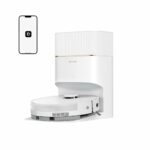
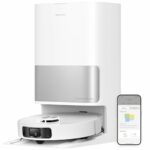
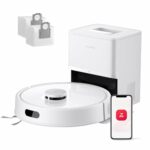
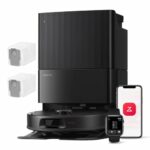
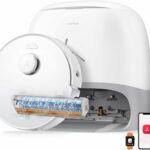
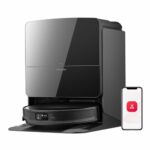
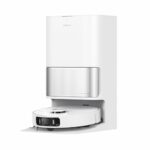
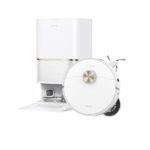
This comparison looks at three robots from different market positions. The Cecotec Conga X70 arrives as a 2025 model aiming to compete with more established brands by offering a multifunction base at what's typically a competitive price point. The Dreame D20, also from 2025, takes a different approach with a simpler charging base whilst maintaining solid core specifications. The Roborock Q7 L5 or BF represents the more conservative option from the world's leading robot vacuum manufacturer, focusing on proven reliability rather than headline features.
These three models suit different priorities. The Cecotec appeals to those wanting a full maintenance station without premium pricing. The Dreame targets users comfortable with manual maintenance who prioritise navigation and suction power. The Roborock serves buyers who value brand reputation and app stability over advanced mopping capabilities.
Suction Power and Brushing
The Cecotec Conga X70 delivers 15,000 Pa of suction, making it the most powerful option here. That extra grunt helps with embedded dirt in carpets and picking up heavier debris. The Dreame D20 sits at 13,000 Pa, still very respectable for most households. The Roborock Q7 L5 or BF trails at 8,000 Pa, which remains adequate for daily maintenance but may struggle with deep carpet cleaning or pet hair embedded in rugs.
All three use bristle-based main brushes. None offer brush lift during mopping, meaning you'll need to remove the brush manually if you want to avoid dragging a damp brush across carpets. The Dreame D20 stands out with its dual brush system, which can improve pickup efficiency by directing debris toward the suction inlet from both sides rather than relying on a single rotating brush.
None of these models feature extendable or liftable side brushes, nor anti-tangle designs on the side brush. For homes with long hair or pets, this means regular maintenance to cut away wrapped fibres.
Mopping Systems
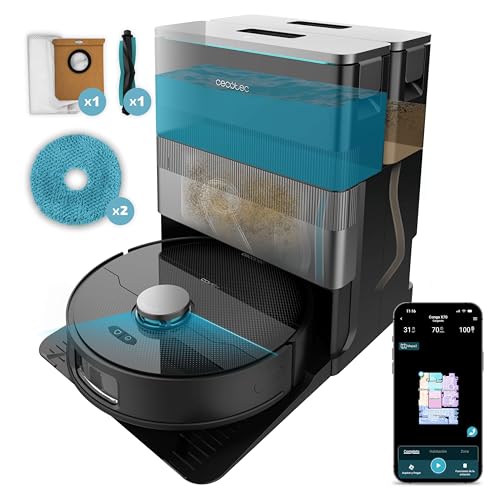
This is where the biggest practical divide appears. The Cecotec Conga X70 uses dual rotating mops that spin to scrub floors rather than just dragging a damp cloth across surfaces. The mops extend outward to reach edges and lift 8mm when the robot detects carpet, preventing cross-contamination. In practice, this means the Cecotec can genuinely mop rather than just dampen floors.
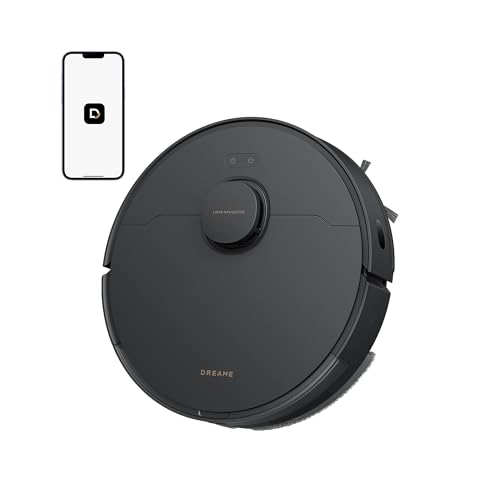
The Dreame D20 and Roborock Q7 L5 or BF both use static mops without extension or lift. You'll get light dust removal on hard floors, but don't expect much scrubbing action. Without mop lift, you'll need to remove the mopping pads manually before the robot ventures onto carpets, or accept damp patches on your rugs.
All three use cold water for mopping. None offer soil detection or automatic remop passes when extra dirt is detected. The Cecotec's base washes mops with cold water and dries them using warm air, which helps prevent odours between cleaning sessions. The other two lack base washing entirely, so you'll be rinsing mop pads in your sink after each use.
Navigation Systems
Each robot uses LiDAR for mapping and navigation, creating accurate floor plans and efficient cleaning routes. The differences emerge in obstacle avoidance. The Cecotec Conga X70 combines an AI camera with 3D laser sensors, giving it two layers of object recognition. The Dreame D20 relies on 3D laser sensors alone, which handle larger obstacles well but may miss smaller items like charging cables or pet waste.
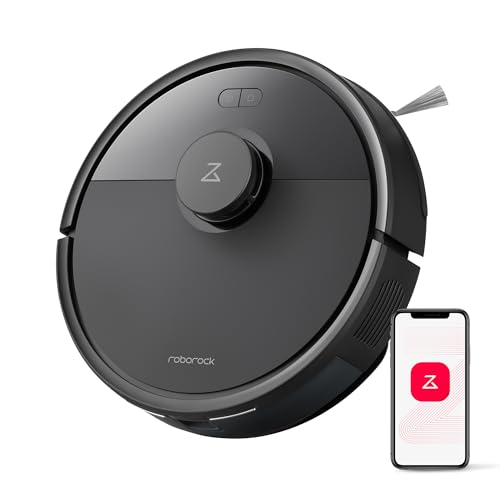
The Roborock Q7 L5 or BF has no obstacle avoidance beyond basic bump sensors. You'll need to tidy floors before cleaning, removing socks, cables and other items the robot might push around or get stuck on. For some users, this pre-clean routine is no bother; for others, it defeats the point of automation.
None of these models include pet recognition, curtain detection, night vision LEDs or remote camera access. The obstacle avoidance here focuses on basic navigation rather than smart home integration or security features.
Battery and Autonomy
The Cecotec Conga X70 and Dreame D20 both pack 5,200 mAh batteries, substantially larger than the Roborock's 3,200 mAh cell. In real terms, this translates to longer cleaning sessions before returning to base, particularly useful in larger homes or when running multiple rooms in a single pass.
The Roborock's smaller battery means more frequent charging breaks during whole-home cleans. For flats or smaller houses, this matters less; for sprawling properties, it becomes noticeable. All three will resume cleaning after recharging if a job isn't finished, but more interruptions mean longer total cleaning times.
Specific runtime figures aren't available, but battery capacity gives a reasonable proxy for comparing endurance between these models.
Smart Features
The Cecotec Conga X70 can climb obstacles up to 30mm high, compared to 20mm for both the Dreame D20 and Roborock Q7 L5 or BF. That extra 10mm helps with thicker door thresholds, certain rug edges and uneven floor transitions. If your home has substantial level changes between rooms, this capability matters.
The Dreame D20 and Roborock Q7 L5 or BF both support external voice assistants like Alexa and Google Home. The Cecotec doesn't offer this integration, meaning you'll rely on the app or manual button presses to start cleaning. For smart home enthusiasts, this is a notable omission.
Multifunction Base
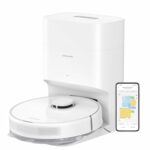
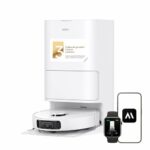
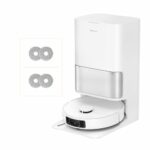
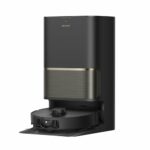
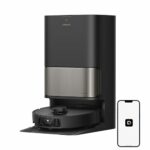
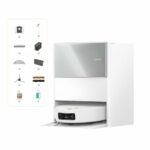
The Cecotec Conga X70 includes a substantial multifunction base measuring 340mm wide, 450mm tall and 425mm deep. This station automatically empties the robot's dustbin into a 2.5-litre bag, washes mops using 4 litres of clean water, and collects dirty water in a 3.5-litre tank. The base also dries mops with warm air to prevent bacterial growth and odours.
This level of automation means you'll empty the dust bag every few weeks, refill clean water and empty dirty water every few cleaning sessions, but otherwise the system maintains itself. For busy households or those who dislike daily robot maintenance, this convenience justifies the larger footprint.
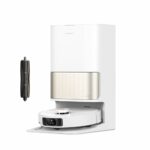
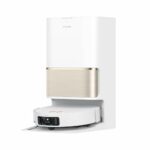
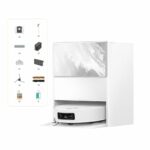
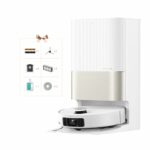
The Dreame D20 and Roborock Q7 L5 or BF have compact charging bases without auto-empty or mop maintenance. The Dreame's base measures just 126mm wide, 92.6mm tall and 130mm deep. The Roborock's is similarly modest at 160mm wide, 101mm tall and 70mm deep. You'll empty dustbins after every clean or two and wash mop pads manually, but you'll also save considerable floor space.
None of these bases offer UV disinfection, detergent dispensers, self-cleaning wash trays or plumbing connections.
Physical Dimensions
The Roborock Q7 L5 or BF is the most compact robot at 325mm diameter and 99mm tall. This lower profile helps it squeeze under more furniture. The Dreame D20 measures 350mm across but stands just 96.8mm tall, making it the shortest of the three despite its wider footprint. The Cecotec Conga X70 is both wider at 340mm and taller at 110mm, which may prevent it accessing low-clearance spaces under certain sofas or beds.
If you have furniture with tight clearances, measuring before purchase saves disappointment. That extra centimetre or two in height genuinely affects which spaces these robots can clean autonomously.
Real-World Usage
For larger homes, the Cecotec Conga X70 makes sense. The bigger battery handles extended cleaning sessions, the multifunction base reduces daily involvement, and the stronger suction tackles varied floor types. The rotating mops actually scrub rather than just wipe, useful for kitchens and bathrooms where spills happen.
Pet owners might lean toward the Dreame D20's dual brush system and solid 13,000 Pa suction, though the lack of mop lift means removing pads before each clean. The 5,200 mAh battery handles whole-home sessions without multiple recharge breaks. The compact base fits neatly in corners.
The Roborock Q7 L5 or BF suits smaller spaces where the reduced battery capacity isn't a limitation. The brand's reputation for reliable app performance and customer support appeals to those who've had frustrating experiences with lesser-known manufacturers. The lower profile helps it clean under more furniture, though you'll need to pre-clear obstacles given the absent avoidance system.
For hands-off mopping, only the Cecotec delivers genuine automation. The other two require manual pad washing and can't lift mops away from carpets. If mopping isn't a priority, this matters less; if it's a key reason you're buying a robot vacuum, it's decisive.
Conclusion: Which to Choose?
Choose the Cecotec Conga X70 if you want maximum automation with minimal daily involvement. The multifunction base handles dust disposal, mop washing and drying, whilst the rotating mops with extension and lift deliver proper floor scrubbing. The 15,000 Pa suction and 30mm obstacle climbing suit varied homes with mixed flooring and thresholds. Accept that the taller body may not fit under all furniture, and voice assistant integration is absent.
Choose the Dreame D20 if you're comfortable with manual maintenance but want strong core performance. The 13,000 Pa suction and 5,200 mAh battery handle demanding cleans, the dual brush system improves pickup, and the compact base saves space. Voice assistant support adds convenience. Just know you'll be washing mop pads yourself and removing them before carpet areas.
Choose the Roborock Q7 L5 or BF if brand reliability and proven app quality matter more than advanced features. The lower profile accesses tight spaces, and Roborock's reputation for long-term software support provides peace of mind. Suitable for smaller homes where the reduced battery isn't limiting, and for users happy to pre-clear floors given the basic navigation. The mopping is rudimentary, so consider this primarily a vacuum with light damp-wiping capability.