✨ VS Analyze · VacuumSpain comparison technology. AI-generated explanation based on verified technical data.
Introduction
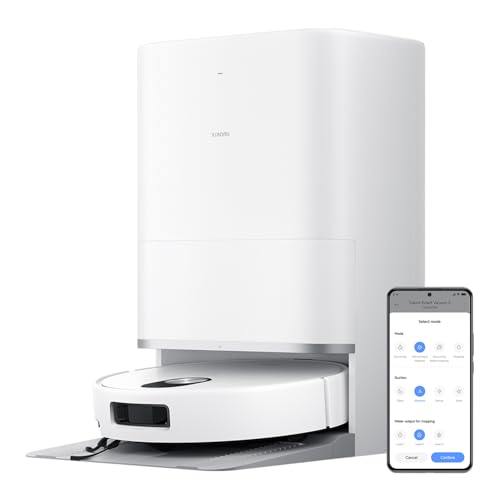
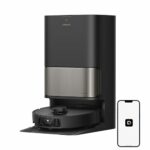
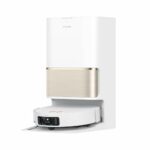
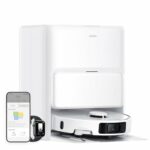
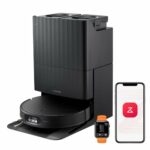
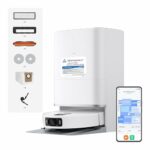
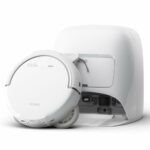
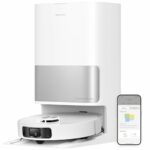
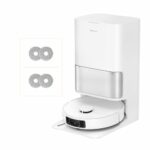
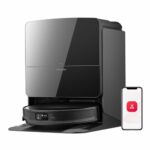
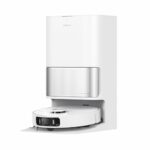
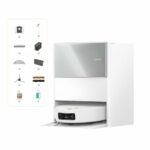
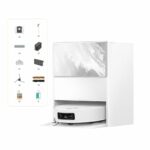
The Xiaomi Robot Vacuum 5 and the Dreame X50 Ultra Blanca represent the cutting edge of cleaning technology for 2025. Both devices deliver 20,000 Pa suction power and come equipped with multifunction bases that handle automatic emptying, mop washing with hot water, and hot air drying. These aren't entry-level machines—they're designed for users who want comprehensive automation and minimal hands-on maintenance.
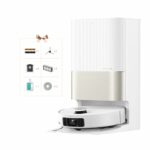
The Xiaomi model positions itself as a robust solution with solid fundamentals: strong battery capacity, effective mopping with rotating pads, and a retractable LiDAR system for precise navigation. The Dreame X50 Ultra Blanca, meanwhile, pushes further into premium territory with dual AI cameras, an integrated voice assistant, and advanced detection systems that recognise over 200 obstacles. For homes with pets, complex layouts, or users seeking the most intelligent navigation available, these distinctions matter.
Suction and Brushing Performance
Both machines deliver identical 20,000 Pa suction, which handles everything from fine dust on hard floors to embedded debris in low-pile rugs. The real divergence appears in how they manage that power during mixed cleaning tasks.
The Xiaomi Robot Vacuum 5 uses a TriCut 3.0 main brush—a design combining bristles with integrated blades to slice through tangled hair as it collects debris. This reduces maintenance frequency, especially in homes with long-haired residents or shedding pets. The side brush extends to reach into corners and includes anti-tangle features, but it doesn't lift during mopping runs.
Dreame's approach differs with its dual HyperStream brush system. This configuration anchors two brush elements at one end, creating a design that inherently resists hair wrap. More importantly, the Dreame can elevate both its main brush and side brush during wet cleaning. In practice, this prevents transferring dry debris onto damp floors or contaminating clean mop water with dust picked up from carpets. The Xiaomi's brushes remain engaged throughout mopping, which can slightly compromise results on mixed-surface homes.
For households with multiple floor types or significant pet hair, the Dreame's brush elevation gives it a tangible edge in maintaining separation between vacuuming and mopping tasks.
Mopping Systems
Both robots use dual rotating mop pads, but execution varies in ways that affect real-world cleaning performance.
The Xiaomi lifts its mops 15 mm when encountering carpets or returning to base—sufficient clearance for most low-pile rugs. Its mop extension reaches edges effectively, though without additional movement patterns. The base washes mops with hot water and dries them using heated air, which prevents odours and bacterial growth between sessions.
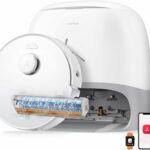
The Dreame X50 Ultra Blanca lifts mops 10.5 mm, slightly less than the Xiaomi, but compensates with its RoboSwing feature. This system shifts the robot's rear section to angle mops partially under furniture edges and skirting boards, improving coverage in typically missed zones. More significantly, the Dreame can automatically remove its mops at the base when you want vacuum-only operation—eliminating the need to manually detach them for carpet-focused sessions.
Dirt detection sets the Dreame apart further. Sensors monitor both mop cleanliness and floor soil levels, triggering additional wash cycles or repeat passes when needed. The Xiaomi follows programmed patterns without adapting to visible grime. The Dreame's base also features third-generation self-cleaning for its wash tray, UV disinfection to sanitise mops and internal surfaces, and a detergent dispenser that doses cleaning solution during mop washing. The Xiaomi's base handles washing and drying competently but lacks these supplementary hygiene features.
For users prioritising the most thorough and automated mopping experience, the Dreame's sensor-driven adjustments and enhanced base capabilities deliver measurable advantages.
Navigation Systems
Both models navigate using retractable LiDAR and front-mounted 3D laser sensors for obstacle detection. The fundamental mapping accuracy is comparable—both build precise floor plans and plan efficient routes.
The critical difference lies in visual intelligence. The Xiaomi relies on laser-based detection without cameras, which works reliably for static obstacles but doesn't identify object types. The Dreame X50 Ultra Blanca integrates dual AI cameras that recognise over 200 specific objects, including pets, curtains, shoes, cables, and furniture types. This allows the robot to adjust behaviour contextually—slowing near a sleeping cat, avoiding curtain edges that might snag, or navigating around scattered toys without manual intervention.
The Dreame's LED night vision enables effective operation in dim conditions, and remote camera access lets you check on your home through the robot's view via the app. The Xiaomi offers none of these visual features. In homes with pets, children, or frequently changing floor layouts, the Dreame's camera-based awareness provides a tangibly smoother experience with fewer stuck incidents.
Battery and Runtime
Battery capacity directly impacts coverage area and cleaning session length. The Xiaomi's 5,200 mAh cell supports 140 minutes of runtime, whilst the Dreame's larger 6,400 mAh battery extends that to 180 minutes.
For typical flats or homes up to around 120 square metres, the Xiaomi's autonomy suffices for complete single-session cleaning. Larger properties—especially those with multiple rooms requiring mopping—benefit from the Dreame's extended runtime, which reduces the need for mid-clean recharging trips. In practice, the extra 40 minutes translates to covering an additional 30–40 square metres per charge, depending on floor type and cleaning mode intensity.
Smart Features
Both robots handle 20 mm obstacles—standard door thresholds and low-profile transitions between rooms. Neither employs a robotic arm for object manipulation.
The Dreame X50 Ultra Blanca includes its own integrated voice assistant, allowing direct voice commands without relying on external smart home ecosystems. Both models support Alexa and Google Home integration for users who prefer those platforms. The Dreame's AI CleanGenius system and Sage 13.0 octa-core processor enable adaptive cleaning decisions based on room type, dirt levels, and historical data. The Xiaomi offers intelligent cleaning features but doesn't specify processor details or adaptive algorithms to the same extent.
Multifunction Base
Both bases auto-empty dust into sealed bags, wash mops with hot water, and dry them using heated air. Storage capacities differ slightly but remain comparable: the Xiaomi's 2.5-litre dust bag versus the Dreame's 3.2-litre capacity, and water tanks of 4/3.8 litres (Xiaomi) versus 4.5/4 litres (Dreame).
The Dreame's base distinguishes itself with UV disinfection that sanitises mops and internal pathways, reducing bacterial buildup over time. Its detergent dispenser automatically doses cleaning solution during mop washing, eliminating manual addition. The third-generation self-cleaning system for the wash tray maintains hygiene with less user intervention. The Xiaomi's base handles core functions reliably but requires manual detergent addition and lacks UV sanitisation.
Dreame offers an optional plumbing connection kit (sold separately) for users wanting permanent water supply integration, though neither base includes built-in plumbing as standard. This option appeals to those seeking near-zero maintenance, though it requires professional installation.
Physical Dimensions
Both robots measure 350 mm in diameter. Height differs marginally: 88 mm (Xiaomi) versus 89 mm (Dreame)—a 1 mm variation unlikely to affect furniture clearance in real-world use. Both fit under standard sofas and bed frames.
Base footprints vary slightly. The Xiaomi's base spans 360 mm wide, 572 mm tall, and 470 mm deep. The Dreame measures 340 mm wide, 590.5 mm tall, and 456.7 mm deep. The Dreame's base is narrower and slightly taller, which may suit tighter alcoves better, whilst the Xiaomi's wider, shorter profile works well in open corners. Neither base is particularly compact—both require dedicated floor space typical of premium multifunction stations.
Real-World Usage Scenarios
For larger homes exceeding 120 square metres, the Dreame's superior battery runtime and larger dust bag reduce interruptions and maintenance frequency. The ability to automatically dismount mops makes it ideal for households with extensive carpeted areas that occasionally need hard floor cleaning—you won't need to manually remove mops each time you want vacuum-only operation.
Pet owners gain specific advantages from the Dreame's camera-based pet recognition and higher obstacle identification count, which minimises collisions with animals or pet accessories. The UV disinfection also helps manage hygiene concerns in homes where pets frequent all floor areas.
The Xiaomi Robot Vacuum 5 suits users who want strong core performance without requiring visual intelligence or sensor-driven mopping adjustments. Its higher mop lift (15 mm versus 10.5 mm) provides extra carpet clearance, and the TriCut 3.0 brush effectively manages hair without relying on brush elevation. For straightforward home layouts without pets or complex obstacles, it delivers thorough cleaning at a lower investment.
Homes with dim hallways or evening cleaning schedules benefit from the Dreame's LED night vision, whilst remote camera access adds peace of mind for users wanting to monitor cleaning progress or check on pets whilst away.
Conclusion: Which to Choose?
Choose the Xiaomi Robot Vacuum 5 if: you want powerful, reliable cleaning with hot water mop washing and heated drying, but don't need camera-based navigation or advanced dirt detection. It's well-suited to homes under 120 square metres with predictable layouts, and appeals to users comfortable with occasional manual adjustments like mop removal for carpet sessions. The higher mop lift handles low-pile rugs effectively, and the TriCut brush manages pet hair competently.
Choose the Dreame X50 Ultra Blanca if: you're seeking the most automated, intelligent cleaning experience available in 2025. The dual AI cameras, 200-object recognition, automatic mop dismounting, and dirt-sensing adjustments create a genuinely hands-off system. Larger homes benefit from the extended battery life, whilst pet owners appreciate specific animal recognition and UV disinfection. The detergent dispenser, third-generation base self-cleaning, and optional plumbing kit suit users wanting minimal ongoing maintenance. If you value remote camera access, night vision, and adaptive cleaning decisions, the Dreame justifies its premium positioning.