✨ VS Analyze · VacuumSpain comparison technology. AI-generated explanation based on verified technical data.
Introduction
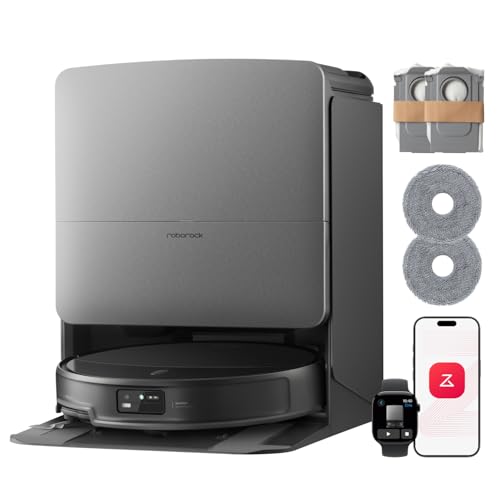
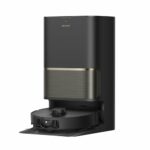
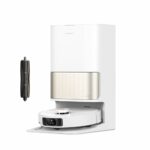
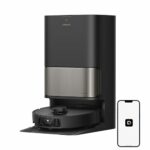
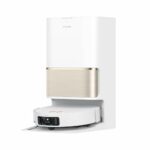
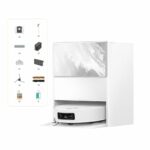
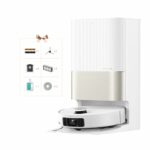
The Roborock Saros 20 and Roborock Saros Z70 represent two flagship models from the world's leading robot vacuum manufacturer. Whilst the Z70 launched in 2025, the Saros 20 arrived in February 2026 as Roborock's latest advancement in automated cleaning technology. Both models feature comprehensive mopping and vacuuming capabilities with multifunctional bases, positioning themselves as premium solutions for households seeking minimal maintenance and maximum automation.
These aren't entry-level devices. They're designed for users who want cutting-edge navigation, powerful suction, and intelligent features that adapt to different floor types and obstacles. The choice between them depends on specific needs around suction power, advanced robotics, and AI capabilities.
Power and Suction
The difference in suction power is substantial. The Saros 20 delivers 36,000 Pa, making it one of the most powerful robot vacuums available, whilst the Z70 offers 22,000 Pa—still impressive, but notably less forceful. In practice, this gap matters most on thick carpets, pet hair extraction, and embedded dirt. For homes with multiple rugs or shedding pets, the Saros 20's extra muscle can reduce the need for manual intervention.
Both models feature anti-tangle main brushes, but the Saros 20 uses the DuoDivide system. This design channels hair and debris towards the central suction point, minimising tangles more effectively than traditional rollers. The Z70's anti-tangle brush still performs well, though households with long hair or multiple pets may notice the difference over time.
Each model includes a side brush that extends, lifts during mopping, and resists tangling. This ensures thorough edge cleaning without dragging wet mops along skirting boards or scattering debris when vacuuming carpets.
Mopping
Both robots use dual rotating mops that extend to reach edges and corners. They lift between 12 and 22 mm to avoid dragging wet pads across carpets, and both can automatically detach their mops at the base when you only want vacuuming. This versatility suits mixed-floor homes where rugs and hard floors coexist.
Mopping happens with warm water, which helps dissolve grease and sticky residues better than cold water alone. The bases wash the mops with hot water and dry them using heated air, reducing odours and bacterial growth. Both stations include detergent dispensers and feature self-cleaning trays—the Saros 20 uses hot water for tray cleaning, whilst the Z70 employs version 2.0 of this system.
Dirt detection works on two levels: the mops themselves and the floor surface. When the sensors identify heavily soiled areas, the robots increase cleaning intensity or make additional passes. For kitchens prone to spills or high-traffic hallways, this adaptive approach delivers more consistent results without manual spot cleaning.
Navigation System
Both models rely on StarSight 2.0 navigation, combining dual AI cameras with 3D laser sensors. LED lighting enables obstacle detection even in darkness, and remote camera access lets you check on your home through the app.
The Saros 20 recognises 300 different obstacles, nearly three times the Z70's 108. This expanded library means fewer misidentified items and smoother navigation around clutter. Curtain detection on the Saros 20 prevents the robot from becoming tangled in drapes or long fabrics—a feature the Z70 lacks.
SmartPlan 3.0 on the Saros 20 represents an evolution from the Z70's SmartPlan 2.0. Whilst both systems use AI to optimise cleaning routes and adjust settings based on room type, version 3.0 offers more refined decision-making and faster adaptation to changing layouts. Pet recognition works on both, useful for avoiding bowls or toys.
Battery and Autonomy
Identical 6,400 mAh batteries power each model. Specific runtime figures aren't provided in the specifications, but this capacity typically supports large homes when combined with efficient navigation. Both robots return to the base automatically for recharging and resume cleaning where they left off, minimising user involvement.
Smart Features
Each robot can climb single-step thresholds, handling transitions between rooms with different floor heights. Voice assistants—both proprietary and third-party like Alexa or Google Home—integrate with both models, allowing hands-free control.
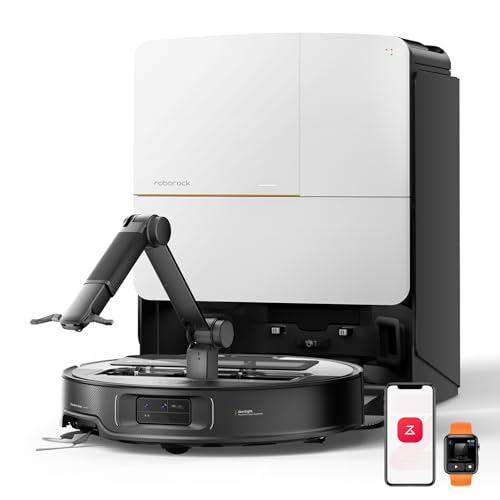
The Z70 distinguishes itself with the OmniGrip robotic arm, a mechanical appendage that can manipulate small objects. The Saros 20 doesn't include this feature. Depending on your household, the arm might clear lightweight obstacles or retrieve small items, though it's not essential for core vacuuming and mopping performance.
Multifunctional Cleaning Base
Both bases handle auto-emptying, mop washing with hot water, and mop drying with heated air. The 2.5-litre dust bags require infrequent changes, whilst the 4-litre clean water and 3-litre dirty water tanks support extended mopping sessions before refilling or emptying.
Detergent dispensers add cleaning solution during mop washing, ensuring fresher results without manual dosing. Neither base offers UV disinfection or integrated plumbing connections, though no optional plumbing kit exists for either model. Self-cleaning trays maintain hygiene inside the base itself, with the Saros 20 using hot water and the Z70 employing its 2.0 system.
Dimensions
Both robots measure 353 mm in diameter and stand 79.8 mm tall. This low profile allows them to slip under most furniture, beds, and cabinets. The bases share identical dimensions—381 mm wide, 488 mm tall, and 475 mm deep—so footprint and storage requirements are the same.
The Saros 20 carries a larger onboard dust bin at 270 ml compared to the Z70's 180 ml. For homes where the robot can't always return to the base mid-clean, this extra capacity reduces the chance of overfilling during a single session. Water tank sizes match at 69 ml, sufficient for typical mopping runs before the robot returns to refill at the base.
Real-World Use
The Saros 20's higher suction and larger dust bin suit homes with heavy shedding pets or thick carpets. The DuoDivide brush further reduces maintenance time spent cutting tangled hair from rollers. Expanded obstacle recognition and curtain detection mean fewer interruptions in cluttered spaces or rooms with floor-length drapes.
For households prioritising the novelty of a robotic arm or where lighter suction suffices—perhaps hard floors dominate and pet hair isn't a concern—the Z70 delivers excellent mopping and vacuuming without the Saros 20's premium features. Its obstacle recognition, whilst less comprehensive, still handles typical household items competently.
Both models excel in larger properties thanks to generous battery capacity and intelligent route planning. The multifunctional bases mean minimal hands-on maintenance: refill water and detergent occasionally, replace dust bags every few months, and let the robots handle the rest. Mixed-floor homes benefit from automatic mop lifting and detachment, preventing wet pads from contacting carpets.
Conclusion: Which to Choose?
Choose the Roborock Saros 20 if: you need maximum suction power for deep-pile carpets or heavy pet hair, prefer the DuoDivide anti-tangle brush for reduced maintenance, want the most advanced obstacle recognition to navigate around complex clutter, or require curtain detection to avoid fabric entanglement. The larger onboard dust bin also benefits homes where the robot covers extensive areas in a single run.
Choose the Roborock Saros Z70 if: you're intrigued by the OmniGrip robotic arm and its potential for light object manipulation, find 22,000 Pa suction adequate for your flooring and cleaning needs, or prefer a model that launched earlier with proven reliability. The Z70 still offers hot water mopping, heated mop drying, and comprehensive AI navigation—just without the Saros 20's incremental refinements.
Both represent top-tier options from Roborock. The Saros 20 pushes further into power and intelligence, whilst the Z70 adds a unique robotic arm. Consider your home's specific challenges—carpet depth, pet hair volume, clutter density—and decide whether the Saros 20's extra capabilities justify the choice, or if the Z70's feature set already exceeds your requirements.