✨ VS Analyze · VacuumSpain comparison technology. AI-generated explanation based on verified technical data.
Introduction
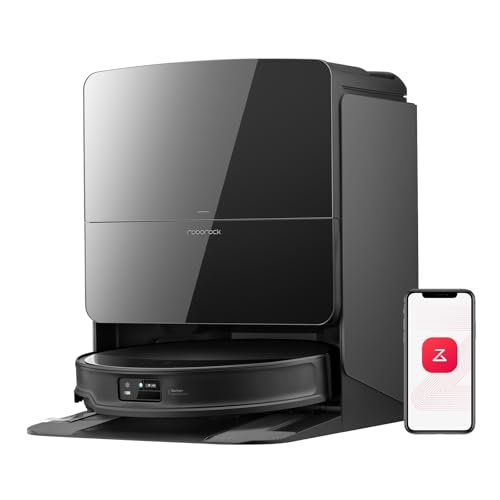
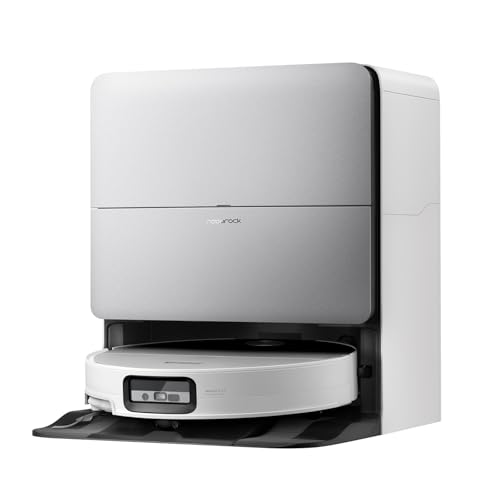
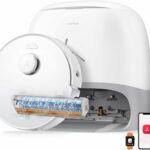
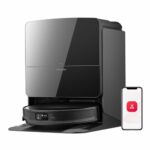
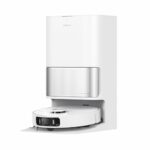
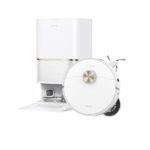
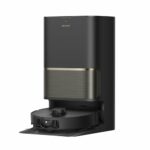
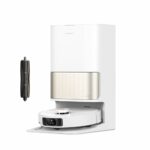
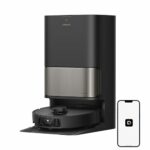
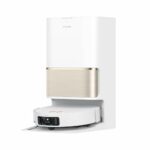
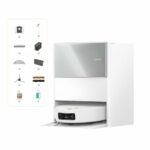
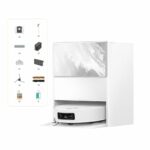
The Roborock Saros 10R and Roborock Saros 20 Sonic represent two generations of premium cleaning technology from the world's leading robot vacuum manufacturer. The Saros 10R launched in 2025, whilst the Saros 20 Sonic arrived in March 2026, bringing significant technological advancements. Both models feature multifunctional bases with hot water mop washing and heated air drying, making them suitable for households demanding thorough floor cleaning without constant manual intervention.
These aren't entry-level machines. They're designed for users who want comprehensive automation across larger homes, with advanced navigation systems, dual rotating mops, and intelligent dirt detection. The question becomes whether the newer Saros 20 Sonic's upgrades justify choosing it over the already capable Saros 10R.
Power and Suction
The suction difference here is substantial. The Roborock Saros 10R delivers 18,500 Pa, which handles everyday dust, crumbs, and pet hair effectively across hard floors and medium-pile carpets. The Roborock Saros 20 Sonic doubles this figure to 36,000 Pa, placing it amongst the most powerful robot aspiradores available in 2025 and beyond.
In practice, this means the Saros 20 Sonic can extract embedded dirt from carpet fibres more aggressively and maintain stronger suction when the dustbin fills. For homes with multiple pets or high-traffic areas with ground-in debris, this matters considerably.
Both models use the DuoDivide anti-tangle main brush, which channels hair towards the central suction opening rather than wrapping it around the roller. The brush lifts automatically during mopping to avoid transferring dirt back onto wet floors. The side brush on each model extends to reach corners, lifts when mopping, and features anti-tangle design. These identical brushing systems mean the real performance gap lies purely in suction strength.
Mopping
The mopping approach differs fundamentally between these two robots. The Saros 10R uses dual rotating mops that spin against the floor, whilst the Saros 20 Sonic employs a sonic vibration mopping system that scrubs at high frequency. Both methods work well, but sonic vibration typically applies more consistent pressure and can tackle dried-on stains more effectively.
Mop extension is present on both, allowing them to reach right up to skirting boards. The Saros 10R lifts its mops between 12-22mm when encountering carpets or rugs, which is higher than the Saros 20 Sonic's 8-18mm range. For households with thick rugs, the extra clearance on the Saros 10R reduces the risk of damp mops touching carpet edges.
Both robots mop with warm water, detect dirty mops, and return to the base automatically for cleaning. They also detect dirt on the floor itself and adjust cleaning intensity accordingly. The base removes mops automatically when you want vacuum-only operation, which is convenient for quick daily cleans.
The bases wash mops with hot water and dry them using heated air, preventing odours and bacterial growth. The Saros 20 Sonic includes enhanced bandeja cleaning with hot water, which keeps the washing tray itself cleaner over time. This reduces maintenance frequency and ensures mops are genuinely cleaned rather than rinsed in progressively dirtier water.
Navigation System
Navigation technology separates these models clearly. The Roborock Saros 10R uses StarSight 2.0, combining dual AI cameras with 3D laser sensors to recognise 108 different obstacle types. The Saros 20 Sonic features retractable LiDAR alongside dual cameras and 3D sensors, recognising 300 obstacle types. That's nearly triple the object database.
What this means in real terms: the Saros 20 Sonic can distinguish between more household items—shoes, cables, pet toys, furniture legs—and navigate around them with greater precision. It also detects curtains, which the Saros 10R doesn't, preventing the robot from tangling itself in draped fabric.
Both models recognise pets, include LED lighting for night-time navigation, and offer remote camera access through the app. You can check on your home or pets whilst the robot cleans. The AI cleaning intelligence differs too: SmartPlan 2.0 on the Saros 10R versus SmartPlan 3.0 on the Saros 20 Sonic. The newer system learns household patterns faster and optimises cleaning schedules with more granular room-by-room adjustments.
Battery and Autonomy
Battery capacity is identical at 6,400 mAh. The Saros 10R provides 180 minutes of runtime, though specific autonomy data for the Saros 20 Sonic isn't available. Given the significantly higher suction power on the Saros 20 Sonic, runtime may be shorter when operating at maximum power, though intelligent power management typically compensates during mixed cleaning tasks.
For most homes under 200 square metres, either model completes a full clean on a single charge. Larger properties benefit from the automatic recharge-and-resume function both robots offer.
Intelligent Features
Both robots handle simple obstacles with a 4cm climbing capability, sufficient for thick door thresholds and low carpet transitions. Each includes a built-in voice assistant alongside compatibility with Alexa and Google Home, letting you control cleaning through voice commands or smart home routines.
The Saros 20 Sonic's expanded obstacle recognition and SmartPlan 3.0 system make it noticeably more autonomous. It requires less manual intervention to avoid problem areas and adapts cleaning patterns more intelligently over time.
Multifunctional Cleaning Base
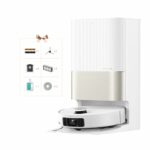
Both bases auto-empty the dustbin into 2.5-litre bags, wash and dry mops with hot water and heated air, and hold 4 litres of clean water plus 3 litres of dirty water. They include detergent dispensers for adding cleaning solution during mop washing.
The key difference lies in base self-cleaning. The Saros 10R features version 2.0 of the self-cleaning bandeja system, whilst the Saros 20 Sonic uses hot water for this process, keeping the washing tray itself hygienically clean. Neither model offers UV disinfection, automatic mop changing, or integrated plumbing connections.
Maintenance involves emptying the dust bag every 6-8 weeks, refilling clean water, and emptying dirty water after several cleaning sessions. The hot water bandeja cleaning on the Saros 20 Sonic reduces how often you need to manually scrub the base tray.
Dimensions
The robots themselves are identical in size: 353mm diameter and 79.8mm height. This low profile allows them to navigate under most furniture, though you'll want at least 10cm clearance for reliable access.
Base dimensions differ slightly. The Saros 10R's base measures 381mm wide, 488mm tall, and 475mm deep. The Saros 20 Sonic's base is 409mm wide, 470mm tall, and 440mm deep. It's wider but shorter and less deep overall. In practical terms, both require roughly the same floor space, though the Saros 20 Sonic's lower height may fit better under wall-mounted shelving.
Real-World Usage Experience
For homes with pets, the Saros 20 Sonic's doubled suction power makes a tangible difference in extracting embedded fur from carpets and rugs. The DuoDivide brush on both models handles hair well, but stronger suction ensures nothing gets left behind.
In larger homes, the Saros 20 Sonic's superior navigation and expanded obstacle recognition mean fewer interrupted cleaning cycles. It's better at identifying and avoiding problem areas without requiring virtual barriers or manual intervention.
The sonic vibration mopping on the Saros 20 Sonic proves more effective on stubborn marks—dried spills, sticky residue, scuff marks—compared to the rotating mops on the Saros 10R. For households with young children or frequent cooking, this scrubbing action delivers noticeably cleaner hard floors.
Both models handle mixed flooring well, automatically adjusting between hard floors, tiles, and carpets. The mop lift heights differ, but both provide adequate clearance for typical household rugs.
Conclusion: Which Should You Choose?
Choose the Roborock Saros 10R if: you want excellent cleaning performance at a lower price point, your home has thick rugs requiring maximum mop lift clearance, or you don't need the absolute highest suction power. It's a thoroughly capable robot aspirador that handles everyday cleaning brilliantly, with all the core multifunctional base features you'd expect from a premium model.
Choose the Roborock Saros 20 Sonic if: you have pets and need maximum suction for deep carpet cleaning, you want the most advanced navigation and obstacle avoidance available, sonic mopping appeals for tackling dried-on stains, or you simply want the latest technology. The expanded AI recognition and SmartPlan 3.0 make this the better choice for complex home layouts or households wanting minimal manual intervention.
For most users comparing robots aspiradores in 2025, the Saros 20 Sonic represents the better long-term investment despite its higher cost. The suction difference alone justifies the upgrade for homes with carpeting or pets, whilst the navigation improvements reduce frustration over the robot's lifespan. That said, the Saros 10R remains an excellent robot aspirador that won't disappoint—it simply lacks the cutting-edge refinements of its successor.