✨ VS Analyze · VacuumSpain comparison technology. AI-generated explanation based on verified technical data.
Introduction
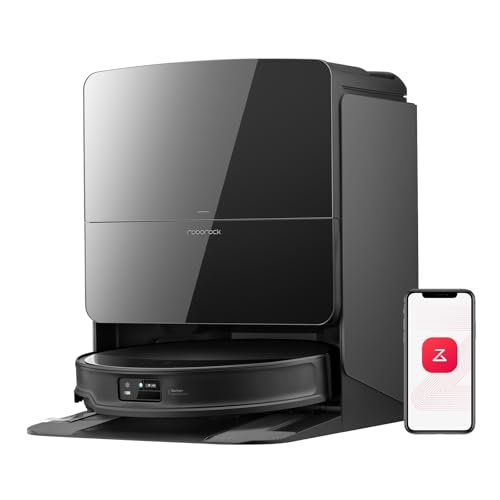
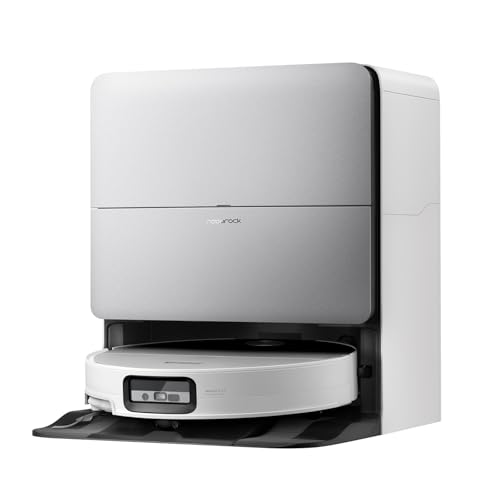
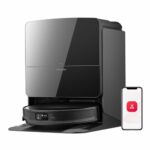
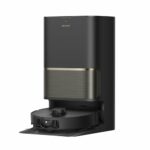
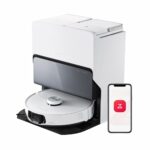
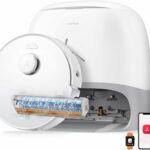
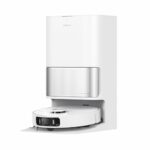
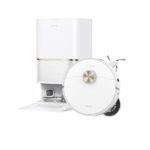
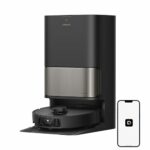
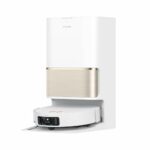
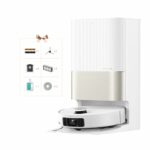
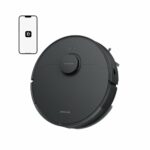
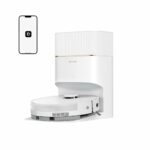
The Roborock Saros series represents the manufacturer's latest generation of premium robot vacuum cleaners, with three models that share the same core design but differ significantly in their capabilities. The Saros 10R and Saros Z70 launched in 2025, whilst the Saros 20 Sonic arrived in 2026 with notable technological upgrades. All three models feature multifunctional bases with mop washing and hot air drying, dual rotating cameras with AI, and the ability to automatically remove mops at the base when switching to vacuum-only mode.
These robots target users seeking high-end cleaning performance with minimal intervention. The differences between them lie primarily in suction power, navigation systems, object recognition, and the inclusion of a robotic arm in one model. Understanding which features matter most for your home will help determine which Saros model makes the most sense.
Suction Power and Cleaning Performance
The most striking difference in this comparison of robot vacuums lies in suction power. The Saros 20 Sonic delivers 36,000 Pa, making it one of the most powerful robot aspiradores on the market. That's nearly double the 18,500 Pa offered by the Saros 10R, and significantly higher than the Z70's 22,000 Pa. In practice, this means the 20 Sonic handles deeply embedded dirt in carpets and rugs with greater efficiency, though all three models provide more than adequate performance for hard floors and light carpets.
The 10R and 20 Sonic both feature Roborock's DuoDivide anti-tangle brush system, which channels hair towards the central suction opening to minimise tangling. The Z70 uses a standard anti-tangle brush instead. All three models include an extendable side brush that reaches into corners more effectively, and this side brush lifts when mopping to avoid spreading dirt. The main brush also elevates during mopping across all models.
For homes with pets or long-haired residents, the DuoDivide system on the 10R and 20 Sonic offers a practical advantage in reducing maintenance time.
Mopping Systems
Whilst all three robots handle mopping with warm water and extend their mops to reach edges, the approach differs between models. The Saros 10R and Z70 use dual rotating mopas that spin to scrub floors, whilst the 20 Sonic employs a vibrating mopa system combined with sonic technology. Both methods deliver thorough mopping, though rotating mopas tend to provide more mechanical scrubbing action.
Mop lift height matters when transitioning between hard floors and carpets. The 10R and Z70 lift their mops 12-22mm, providing better clearance for thicker rugs. The 20 Sonic lifts 8-18mm, which suffices for most carpets but may occasionally drag across particularly plush surfaces. All three models detect dirt on both the mops and the floor, triggering additional cleaning passes when needed.
The multifunctional base washes mops with hot water and dries them with hot air across all models, preventing odours and bacterial growth. Each robot can automatically remove its mops at the base when you only want to vacuum, eliminating the need for manual intervention. This makes switching between cleaning modes genuinely effortless.
Navigation and Intelligence
Navigation technology separates these models more than you might expect. The Saros 10R and Z70 use StarSight 2.0, combining dual AI cameras with 3D laser sensors. The 20 Sonic features a retractable LiDAR system instead, which tucks away when not needed. All three include LED lighting for navigation in dark spaces and offer remote camera access through the app.
Object recognition capability differs substantially. The 20 Sonic identifies 300 different objects, nearly triple the 108 objects recognised by the 10R and Z70. This enhanced recognition helps the robot navigate complex environments with greater precision. The 20 Sonic also detects curtains specifically, allowing it to navigate around them without getting tangled—a feature absent from the other models.
All three robots recognise pets, which proves useful for avoiding food bowls and toys. They all incorporate SmartPlan AI for intelligent cleaning routines and spot recognition. The Z70 runs on the newer RR Mason 12.0 processor, whilst the 10R uses Mason 11.0. Processing power for the 20 Sonic isn't specified in available data.
Battery and Coverage
Each robot in this comparison houses a 6,400 mAh battery. The Saros 10R provides 180 minutes of runtime, though specific autonomy figures for the 20 Sonic and Z70 aren't available in the technical specifications. Battery capacity suggests similar performance across the range, with the higher suction power of the 20 Sonic potentially reducing runtime when operating at maximum power.
All three models handle obstacle climbing identically, managing simple steps without difficulty. This capability helps them transition between rooms with slight level changes or navigate over door thresholds.
Smart Features
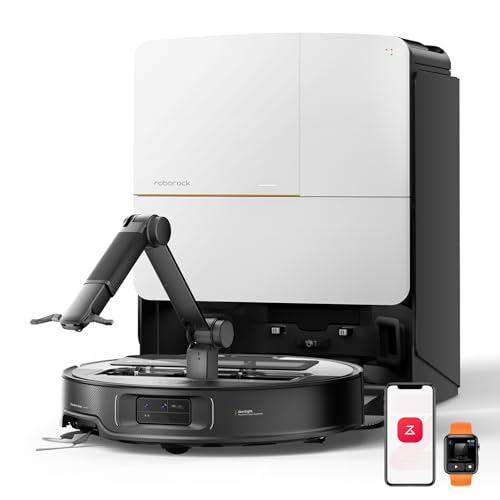
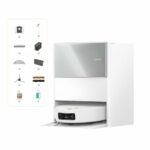
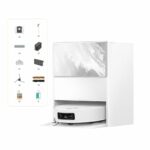
The Saros Z70 stands apart with its OmniGrip robotic arm, which can pick up small objects from the floor. This feature isn't present on either the 10R or 20 Sonic. For households where small items frequently end up on the floor—toys, socks, pet items—this adds a dimension of functionality beyond standard vacuuming and mopping.
All three models include Roborock's own voice assistant alongside compatibility with external assistants like Alexa and Google Home. Voice control works for starting cleaning cycles, sending the robot to specific rooms, or returning it to the base.
Multifunctional Base Station
The base stations share most features: automatic dust emptying into 2.5-litre bags, mop washing with hot water, hot air drying, and detergent dispensing. Each base holds 4 litres of clean water and 3 litres of dirty water, providing enough capacity for multiple cleaning sessions without refilling.
The 10R and Z70 feature version 2.0 of the self-cleaning tray system, whilst the 20 Sonic uses a hot water cleaning method for the tray. Both approaches keep the base hygienic without manual scrubbing. None of the models include UV disinfection or offer plumbed water connection, either built-in or as an optional kit.
Size and Dimensions
All three robots measure 353mm in diameter and stand 79.8mm tall. This height allows them to slip under most furniture, sofas, and bed frames. The consistency in robot dimensions means any of these models navigates identical spaces.
Base station dimensions vary slightly. The 10R and Z70 bases measure 381mm wide, 488mm tall, and 475mm deep. The 20 Sonic base is marginally more compact at 409mm wide, 470mm tall, and 440mm deep. The difference won't matter in most homes, but the 20 Sonic's base occupies less floor space if you're tight on room.
Dust bin capacity in the robot itself differs: the 10R holds 270ml, the Z70 holds 180ml, whilst the 20 Sonic's capacity isn't specified. The 10R and Z70 both feature 69ml water reservoirs onboard. These onboard capacities matter less than they might with other brands, since the base handles most storage and the robot returns frequently during cleaning.
Real-World Usage Considerations
For larger homes with significant carpet coverage, the Saros 20 Sonic's 36,000 Pa suction delivers the best robot aspirador performance, particularly for deep cleaning. The enhanced object recognition also helps in cluttered environments with children's toys or varied furniture arrangements. However, its slightly lower mop lift might occasionally catch on very thick rugs.
Pet owners benefit from the DuoDivide brush on both the 10R and 20 Sonic, as it genuinely reduces hair tangling compared to conventional brushes. The Z70's standard anti-tangle brush still performs well but requires marginally more maintenance. All three models recognise pets and adjust navigation accordingly.
The robotic arm on the Z70 addresses a specific use case. If your household struggles with items constantly ending up on the floor, this feature provides genuine utility. For homes where floors stay relatively clear, it's less essential.
Choosing between dual rotating mops and vibrating mops often comes down to personal preference. Rotating mops excel at scrubbing dried-on spills, whilst vibrating systems can be gentler on delicate flooring. The warm water mopping and hot air drying work identically across all models, ensuring thorough cleaning regardless of mop type.
Conclusion: Which Robot Should You Choose?
Choose the Roborock Saros 10R if you want solid all-round performance at what's likely to be the most accessible price point in this range. The 18,500 Pa suction handles most homes effectively, the DuoDivide brush minimises hair tangles, and the 12-22mm mop lift manages thicker carpets. The 270ml dust bin and 180-minute runtime provide good autonomy. This model suits medium to large homes without extreme carpet depth or unusually cluttered environments.
Choose the Roborock Saros 20 Sonic if you prioritise maximum suction power and the most advanced object recognition. The 36,000 Pa makes this the better robot aspirador for homes with deep-pile carpets or heavy soiling, whilst the ability to recognise 300 objects and detect curtains proves valuable in complex layouts. The more compact base fits tighter spaces. This model works best for larger homes with varied flooring and households wanting the most capable navigation system.
Choose the Roborock Saros Z70 if the robotic arm appeals to your specific situation. The 22,000 Pa suction sits comfortably between the other models, the dual rotating mops with 12-22mm lift handle most flooring combinations, and the Mason 12.0 processor provides current-generation performance. Homes with children, where small objects frequently need collecting, benefit most from the OmniGrip arm. This model balances strong cleaning performance with the unique ability to tidy whilst it cleans.
All three robots represent premium options with multifunctional bases, AI navigation, and comprehensive mopping systems. The differences between them matter most when matching specific features to your home's particular challenges—whether that's carpet depth, object recognition needs, or the desire for robotic object collection.