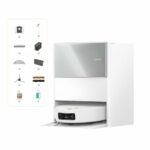
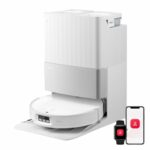
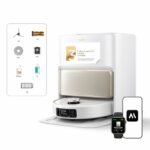
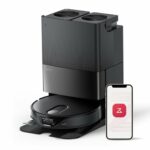
✨ VS Analyses · VacuumSpain comparison technology. Explanation created with AI from verified technical data.
Introduction
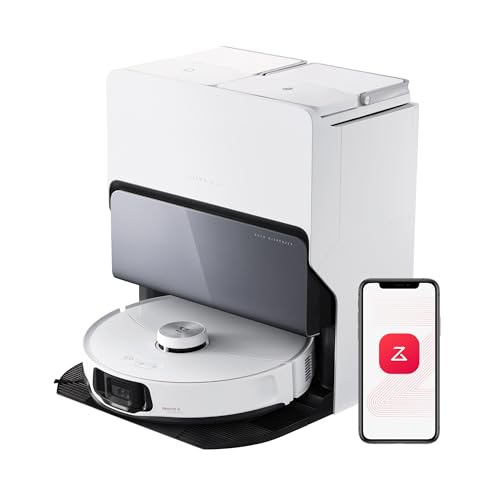
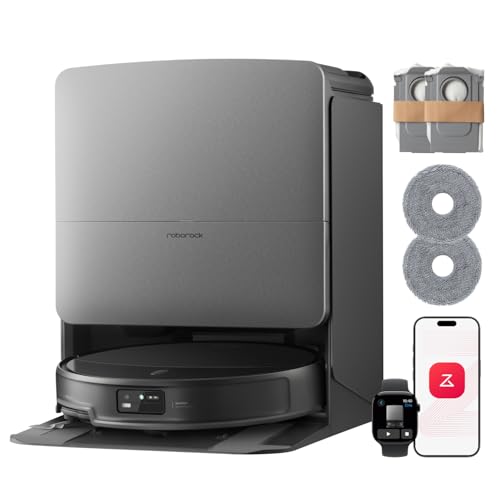
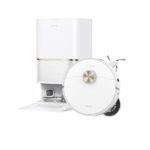
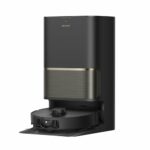
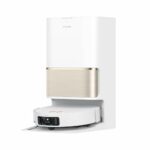
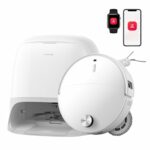
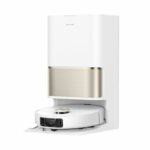
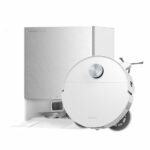
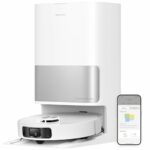
The Roborock S8 MaxV Ultra and the Roborock Saros 20 represent two distinct generations in Roborock's premium robot vacuum lineup. The S8 MaxV Ultra arrived in 2024 as a flagship model with comprehensive cleaning capabilities, whilst the Saros 20 launched in February 2026 introducing significant technological advancements that push the boundaries of what robot vacuum cleaners can achieve.
These aren't entry-level machines. Both feature multifunctional bases that handle automatic emptying, mop washing and drying—essential for anyone wanting genuinely hands-off floor maintenance. The Saros 20 brings next-generation features that address some limitations found in earlier models, making this comparison particularly relevant for those considering whether the newest technology justifies the upgrade or if the S8 MaxV Ultra still holds its ground as a capable performer.
Suction Power and Brushwork
The difference in suction power is dramatic. The S8 MaxV Ultra offers 10,000 Pa, which handles everyday debris and most household messes competently. The Saros 20, however, delivers 36,000 Pa—a massive leap that transforms performance on carpets and when dealing with embedded dirt or pet hair.
Both models feature the DuoDivide anti-tangle main brush system, designed to channel hair towards the suction inlet rather than wrapping around the roller. This matters enormously in homes with long hair or pets. The main brush lifts automatically during mopping on both units, preventing the transfer of wet debris back onto cleaned floors.
Where they diverge is the side brush. The S8 MaxV Ultra has an extendable side brush that reaches into corners more effectively than fixed designs, but it doesn't lift during mopping. The Saros 20 takes this further: its side brush extends, lifts when mopping to avoid dragging dirt through wet areas, and features anti-tangle construction. For homes where edge cleaning matters—skirting boards, furniture legs, room corners—the Saros 20 demonstrates more thoughtful engineering.
Mopping Performance
The mopping systems reveal fundamentally different approaches. The S8 MaxV Ultra uses a vibrating mop pad with a small lateral extension to reach closer to edges. It elevates 20 mm when encountering carpets or rugs, and the base washes the mop with hot water before drying it with heated air. This setup delivers solid mopping results, particularly on hard floors without excessive grime.
The Saros 20 employs dual rotating mops with proper edge extension, meaning it can mop right up to skirting boards and into corners more effectively. The mops lift between 12-22 mm depending on the surface detected. Crucially, it can automatically detach its mops at the base when you only need vacuuming—no manual intervention required. The base also washes mops with hot water and dries them with heated air, but adds automatic tray cleaning with hot water, reducing maintenance and preventing odour buildup over time.
The Saros 20 also mops with warm water rather than cold, which improves cleaning efficacy on sticky residues and grease. Both models detect dirt on mops and floors, triggering re-cleaning passes when needed. In practice, the Saros 20's combination of rotating mops, edge extension, and warm water mopping produces noticeably superior results on tiled or hard flooring.
Navigation and Intelligence
Navigation technology separates these models significantly. The S8 MaxV Ultra relies on a 3D LiDAR turret combined with dual AI cameras, 3D laser sensors, and LED lighting for night vision. It recognises 73 different objects and includes remote camera access. The system works reliably, mapping homes accurately and avoiding most obstacles.
The Saros 20 introduces StarSight 2.0 navigation with SmartPlan 3.0 AI, recognising 300 objects—more than four times the S8 MaxV Ultra's capability. This expanded recognition includes curtains, which the S8 MaxV Ultra doesn't specifically detect. The practical benefit shows when navigating complex homes with varied furniture, children's toys, or delicate items. The Saros 20 makes more nuanced decisions about cleaning paths and obstacle avoidance.
Both models identify pets specifically and offer remote camera access, useful for checking on animals whilst away. LED night vision ensures reliable navigation even in low light. The Saros 20's superior object recognition translates to fewer stuck incidents and less need for pre-cleaning tidying.
Battery and Autonomy
The S8 MaxV Ultra houses a 5,200 mAh battery providing approximately 180 minutes of runtime. This covers most homes in a single session, though larger properties may require a mid-clean recharge.
The Saros 20 increases battery capacity to 6,400 mAh. Whilst specific runtime figures aren't available, the larger capacity suggests extended cleaning sessions, particularly useful given the higher suction power which typically consumes more energy. For multi-storey homes or properties exceeding 150 square metres, this additional capacity provides greater assurance of completing cleaning cycles without interruption.
Smart Features
Both robots handle 20 mm obstacles—raised door thresholds, thick rug edges, or minor floor transitions. The Saros 20 specifies capability for simple steps, though the practical difference in everyday use remains similar to the S8 MaxV Ultra's obstacle climbing.
Each model includes its own voice assistant alongside compatibility with Alexa and Google Home. This allows voice commands directly to the robot or through existing smart home ecosystems. Neither includes a robotic arm, keeping the design focused on core vacuuming and mopping rather than object manipulation.
Multifunctional Base Station
Both bases handle automatic dustbin emptying into 2.5-litre bags, mop washing with hot water, and mop drying with heated air. Each includes a detergent dispenser and holds 4 litres of clean water. The S8 MaxV Ultra's dirty water tank holds 3.5 litres compared to 3 litres on the Saros 20—a minor difference unlikely to affect daily use.
The critical distinction is base maintenance. The S8 MaxV Ultra requires periodic manual cleaning of the washing tray where mops are cleaned. The Saros 20 automatically cleans this tray with hot water, reducing hands-on maintenance and preventing the buildup of grime and odours that can develop in mop washing systems. This feature genuinely reduces the effort required to keep the entire system hygienic.
Neither base offers integrated plumbing connection, though this remains uncommon even in premium models. The existing tank capacities handle typical homes for several days between refills.
Physical Dimensions
The robots share a 353 mm diameter, but height differs substantially. The S8 MaxV Ultra measures 103 mm tall whilst the Saros 20 stands at just 79.8 mm—a significant reduction that allows access under furniture the S8 MaxV Ultra cannot reach. Sofas, beds, and low cabinets often sit between 80-100 mm from the floor, making the Saros 20's lower profile practically advantageous in real homes.
Base dimensions vary slightly. The S8 MaxV Ultra's base measures 409 mm wide, 470 mm tall, and 419 mm deep. The Saros 20's base is 381 mm wide, 488 mm tall, and 475 mm deep—slightly narrower but taller and deeper. Both require dedicated floor space, ideally in a utility area or corner where the robot can easily access the base for charging and cleaning cycles.
Real-World Usage Scenarios
For smaller homes or apartments under 100 square metres with predominantly hard floors, the S8 MaxV Ultra delivers thorough cleaning with its multifunctional base handling most maintenance automatically. The 180-minute battery life covers these spaces comfortably, and the 10,000 Pa suction manages daily dirt accumulation.
Larger homes benefit from the Saros 20's increased battery capacity and dramatically higher suction power. The 36,000 Pa suction excels on carpets and rugs, pulling embedded dirt and pet hair more effectively. Homes with pets particularly benefit from the anti-tangle side brush and superior suction, whilst the lower profile reaches under more furniture where pet hair accumulates.
The Saros 20's mopping system suits homes where floor washing matters as much as vacuuming. The dual rotating mops with edge extension and warm water deliver superior results on tiles, vinyl, or sealed wood floors. Automatic mop detachment means you needn't manually remove mops when switching to vacuum-only mode for carpeted areas.
Maintenance requirements favour the Saros 20. Automatic base tray cleaning reduces the frequency of hands-on intervention, whilst the ability to recognise 300 objects means less time spent clearing floors before cleaning cycles. The S8 MaxV Ultra remains capable but requires more regular attention to keep the base washing tray clean.
Conclusion: Which Should You Choose?
Choose the Roborock S8 MaxV Ultra if: you want proven premium cleaning technology from 2024 at potentially better value. It suits homes under 100 square metres with mixed flooring, delivers reliable mopping with hot water mop washing, and handles most obstacles competently. The 10,000 Pa suction manages everyday cleaning well, particularly on hard floors and low-pile carpets.
Choose the Roborock Saros 20 if: you want the latest technology with meaningful improvements. The 36,000 Pa suction transforms performance on carpets and for pet owners. The lower 79.8 mm height accesses spaces the S8 MaxV Ultra cannot reach. Superior mopping with rotating pads, edge extension, and warm water delivers better results on hard floors. Automatic mop detachment and base tray cleaning reduce maintenance, whilst recognition of 300 objects ensures more reliable navigation in complex homes. For larger properties, multiple pets, or anyone prioritising minimal intervention, the Saros 20 represents a substantial upgrade that justifies its position as Roborock's 2026 flagship.