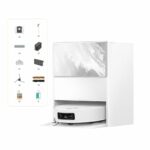
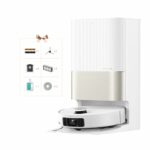
✨ VS Analyses · VacuumSpain comparison technology. Explanation created with AI from verified technical data.
Introduction
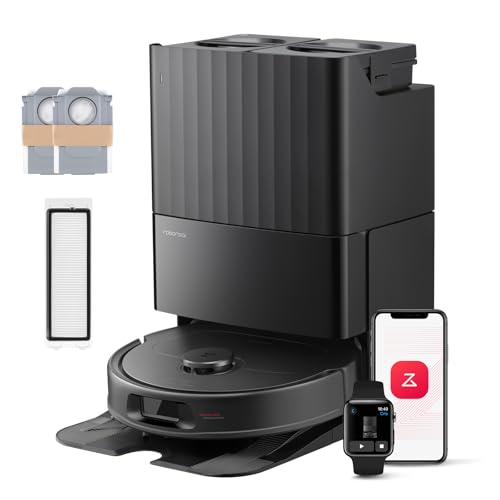
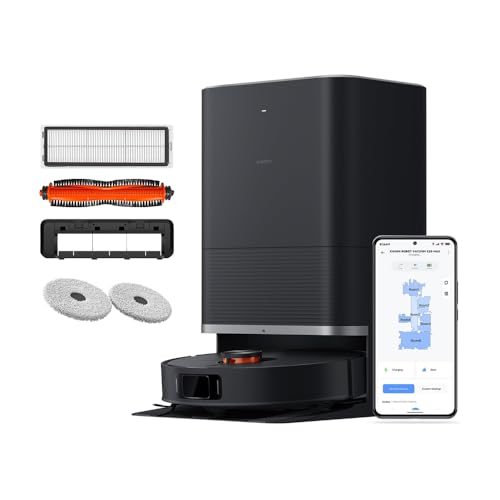
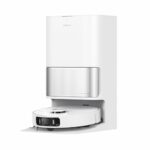
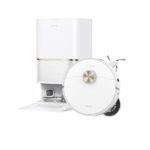
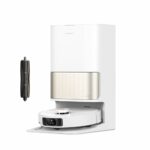
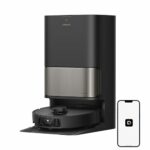
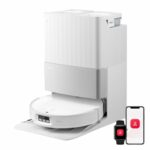
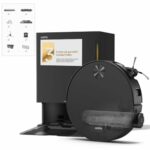
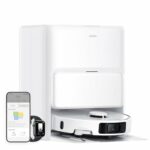
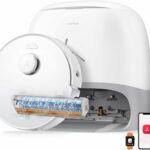
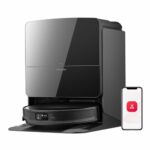
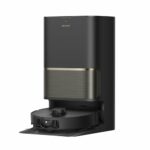
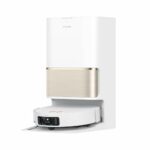
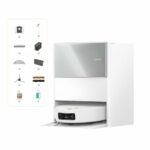
The Roborock QV 35S arrives in 2025 as a fresh proposal from the world's leading robot vacuum brand, whilst the Xiaomi X20 Max launched in 2024 representing Xiaomi's established presence in the mid-to-high range segment. Both models feature multifunctional bases that handle automatic emptying, mop washing and drying—essential for anyone seeking genuinely autonomous floor cleaning without daily intervention.
These aren't entry-level machines. The QV 35S pushes suction power to 10,000 Pa, a figure that places it amongst the most powerful robots currently available. The X20 Max settles at 8,000 Pa, still robust enough for most homes. Both share dual rotating mops and 5,200 mAh batteries, though their runtime and navigation features diverge in ways that matter depending on your home layout and cleaning priorities.
Power and Suction
Suction power separates these two models noticeably. The Roborock QV 35S reaches 10,000 Pa, which translates into superior pickup on carpets and rugs, especially when dealing with embedded dirt or pet hair. The Xiaomi X20 Max offers 8,000 Pa—still impressive and more than adequate for hard floors and low-pile carpets, but the gap becomes tangible when tackling thicker textiles or stubborn debris.
Brush design takes different approaches. The QV 35S uses a simple roller brush, straightforward and effective but potentially more prone to hair tangles without additional features. The X20 Max counters with TriCut 3.0, combining bristles and integrated blades that slice through hair as it wraps, reducing maintenance frequency. Neither model elevates the main brush during mopping, so both rely on mop lift to avoid rewetting cleaned floors.
Side brush configuration reveals another divergence. The Roborock includes anti-tangle technology on its side brush, helping reduce hair wrap-around—a practical advantage if you live with long-haired occupants or pets. The Xiaomi lacks this feature. Neither model extends or lifts the side brush, so corner coverage depends on the robot's path planning rather than mechanical adaptation.
Mopping
Both robots deploy dual rotating mops, spinning to scrub rather than simply dragging a damp cloth across the floor. The Xiaomi X20 Max extends its mops to reach edges and skirting boards more effectively, a feature missing on the Roborock QV 35S. In practice, this means the X20 Max should leave fewer untouched strips along walls and furniture bases.
Mop lift matches at 10 mm on both models, sufficient to clear most low-pile rugs and prevent cross-contamination between hard floors and carpets. Neither robot removes mops automatically at the base when switching to vacuum-only mode, so manual intervention remains necessary if you want purely dry cleaning sessions.
Base maintenance diverges significantly. The Xiaomi X20 Max washes mops with hot water and dries them using heated air, accelerating drying time and reducing bacterial growth and odours. The Roborock QV 35S relies on cold water washing and ambient air drying, which takes longer and may require more frequent manual checks to ensure mops don't remain damp. Neither model detects dirt on mops or floors to trigger automatic rewashing or refregado, so cleaning intensity depends on your app settings rather than adaptive intelligence.
Navigation System
Both robots navigate using 3D LiDAR turrets, mapping rooms with precision and planning efficient cleaning routes. Obstacle avoidance is present on both, but the Xiaomi X20 Max adds a 3D laser sensor at the front, enhancing its ability to detect and navigate around smaller objects like cables, shoes or pet toys. The Roborock QV 35S lacks this additional sensor, relying solely on LiDAR and basic proximity detection.
The X20 Max also includes LED night vision, allowing it to operate effectively in low light or darkness without bumping into obstacles. The QV 35S does not feature this, so evening or early morning cleaning sessions may prove less reliable in unlit rooms.
Neither robot offers an AI camera, pet recognition, curtain detection or remote camera access. Both support external voice assistants like Alexa and Google Home, but neither includes a proprietary voice assistant. The Roborock QV 35S does feature SmartPlan 1.0 for intelligent cleaning routines, whilst the X20 Max offers general AI cleaning without specifying a branded algorithm.
Battery and Autonomy
Battery capacity sits at 5,200 mAh for both models, yet runtime differs substantially. The Roborock QV 35S achieves 180 minutes of operation, whilst the Xiaomi X20 Max manages 120 minutes. This 50% difference likely stems from the QV 35S's more efficient power management or lower consumption during standard cleaning modes, despite its higher peak suction.
For larger homes or multi-storey properties, the extra hour matters. The QV 35S can cover more ground before returning to recharge, reducing total cleaning time and interruptions. The X20 Max remains suitable for medium-sized homes but may require mid-session recharging in properties exceeding 100 square metres when running intensive mopping routines.
Intelligent Features
Both robots clear 20 mm obstacles, enough to mount standard door thresholds and low transitions between rooms. Neither includes a robotic arm or proprietary voice assistant, keeping the focus on core cleaning performance rather than experimental add-ons.
Voice control works through Alexa and Google Home on both models, allowing basic commands like start, stop, return to dock or room-specific cleaning. App functionality remains the primary control method for scheduling, zone management and customisation.
Multifunctional Cleaning Base
Both bases handle automatic emptying of the robot's dustbin, mop washing and drying—the trifecta that defines a truly hands-off cleaning experience. Dust bag capacity favours the Roborock QV 35S at 2.7 litres versus 2.5 litres on the X20 Max, translating to slightly longer intervals between bag replacements.
Water tank sizes align closely: 4 litres for clean water on both, 3.5 litres dirty water on the QV 35S and 3.8 litres on the X20 Max. The marginal difference won't affect daily use noticeably. Neither base offers detergent dispensers, UV disinfection, automatic tray cleaning or plumbed water connections, keeping maintenance straightforward but requiring manual refills and emptying.
The Xiaomi's heated mop washing and drying represents a tangible advantage, particularly in humid climates or during winter when ambient drying slows. The Roborock's cold-water approach works but demands more patience and occasional manual checks to prevent mildew.
Dimensions
Robot diameter measures 353 mm on the Roborock QV 35S and 350 mm on the Xiaomi X20 Max—a 3 mm difference that holds no practical consequence. Height differs by half a millimetre: 96.5 mm versus 97 mm. Both should fit under standard sofas and most furniture, though neither qualifies as ultra-low-profile for particularly tight spaces.
Base dimensions vary more noticeably. The Roborock base stands 521 mm tall and extends 487 mm deep, whilst the Xiaomi measures 563 mm tall but only 420 mm deep. The X20 Max's taller, shallower footprint may suit narrow alcoves or corners better, whereas the QV 35S requires more front-to-back clearance but takes up less vertical space. Width matches at 340 mm on both.
Real-World Experience
The Roborock QV 35S suits larger homes where extended runtime and higher suction justify the investment. Its 180-minute autonomy covers expansive floor plans without interruption, and 10,000 Pa suction tackles thick carpets and heavy pet hair with authority. The anti-tangle side brush reduces maintenance frequency, though the simple main roller may still require periodic cleaning if you have long-haired pets or family members.
The Xiaomi X20 Max fits medium-sized homes prioritising edge cleaning and mop hygiene. Its extendable mops reach skirting boards more thoroughly, and hot-water mop washing with heated drying keeps the system fresher with less manual intervention. The 3D laser sensor and night vision LED enhance obstacle navigation, reducing stuck incidents during unsupervised sessions. The TriCut 3.0 brush minimises hair tangles on the main roller, though the standard side brush may still accumulate debris.
For homes with pets, the Roborock's higher suction and anti-tangle side brush offer advantages, but the Xiaomi's TriCut main brush counters with effective hair management. Neither model excels definitively; choice depends on whether you prioritise raw power and runtime or refined mopping and navigation.
Conclusion: Which to Choose?
Choose the Roborock QV 35S if: you live in a large home exceeding 100 square metres, need maximum suction for thick carpets or heavy pet shedding, value longer runtime to complete cleaning in one session, or prefer a slightly larger dust bag capacity. The anti-tangle side brush reduces maintenance, though you'll need to accept cold-water mop washing and longer drying times.
Choose the Xiaomi X20 Max if: edge cleaning matters due to furniture layout or skirting boards, you want hot-water mop washing and heated drying for better hygiene and faster turnaround, or your home includes tight spaces where the 3D laser sensor and night vision reduce stuck incidents. The TriCut 3.0 brush handles hair effectively, and the shallower base footprint fits compact corners more easily. Medium-sized homes benefit most from its balanced feature set.