✨ VS Analyses · VacuumSpain comparison technology. Explanation created with AI from verified technical data.
Introduction
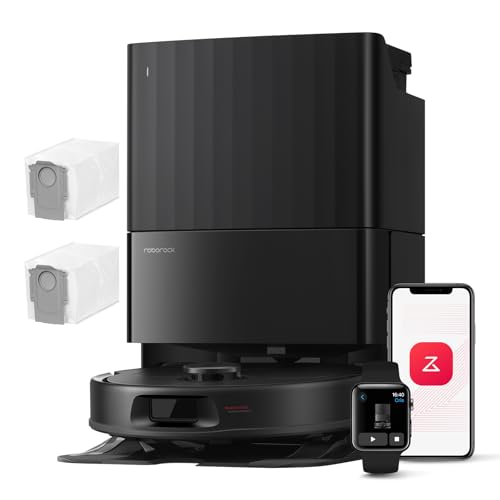
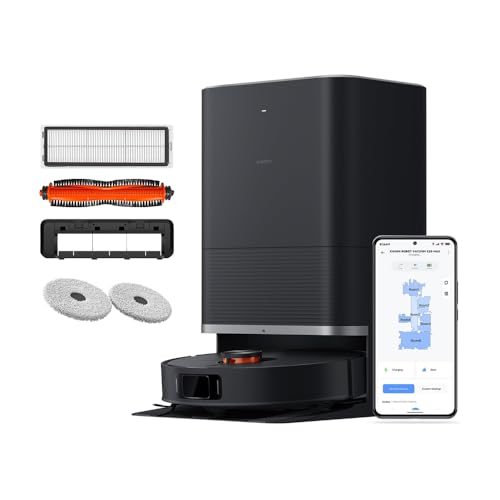
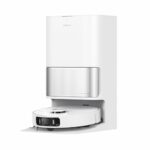
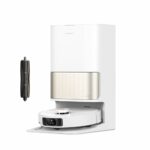
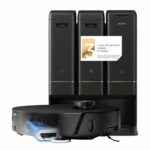
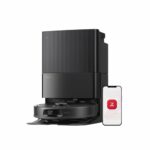
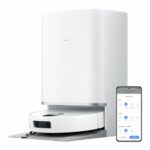
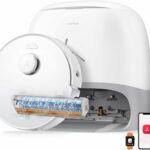
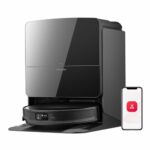
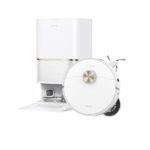
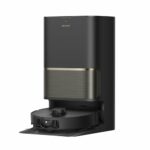
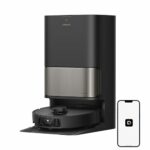
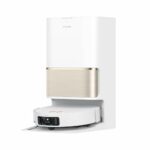
The Roborock QV 35A and Xiaomi X20 Max represent two compelling approaches to automated cleaning from manufacturers who dominate the global market. The Roborock model arrives in 2025 as a fresh entry from the industry's leading brand, whilst the Xiaomi X20 Max launched in 2024 with a proven track record. Both share identical suction power at 8,000 Pa and feature multifunction bases that handle both vacuuming and mopping tasks, making them suitable for households seeking comprehensive floor maintenance without constant manual intervention.
These models target users who want serious cleaning performance combined with automated mop washing. The presence of rotating twin mops and self-emptying capabilities suggests they're designed for medium to large homes where daily intervention isn't practical.
Power and Vacuuming
Both machines deliver 8,000 Pa suction, placing them firmly in the high-performance category for 2024-2025. This level of power handles everything from fine dust on hard floors to embedded debris in carpet fibres.
The brush configuration reveals a fundamental difference. The Roborock QV 35A uses a simple brush design, which can be effective but may require more frequent maintenance when dealing with long hair. The Xiaomi X20 Max counters with TriCut 3.0 technology, combining bristles with integrated blades that actively cut through tangled hair during operation. For homes with pets or family members with long hair, this distinction matters considerably in practice.
Interestingly, the Roborock compensates with an anti-tangle side brush, a feature the Xiaomi model doesn't offer. This helps reduce hair wrap on the periphery brush that sweeps debris into the main cleaning path. Neither model offers extendable or elevating side brushes, keeping the design relatively straightforward. The main brushes on both units remain fixed during mopping rather than lifting away from the floor.
Mopping Performance
Both robots employ twin rotating mops, a configuration that provides active scrubbing rather than simple dragging. Each lifts its mops 10 mm when encountering carpets or rugs, preventing unwanted moisture transfer.
The Xiaomi X20 Max distinguishes itself with extendable mops that reach closer to skirting boards and into corners. This addresses one of the persistent challenges with round robot cleaners—their inability to clean right up to edges. The Roborock QV 35A lacks this feature, leaving a small uncleaned margin along walls.
Temperature becomes a critical differentiator when examining the base stations. The Xiaomi X20 Max washes mops with hot water and dries them using heated air. Hot water proves more effective at breaking down greasy residues and stubborn marks, whilst warm air drying accelerates the process and helps prevent bacterial growth and musty odours. The Roborock QV 35A manages both washing and drying, but relies entirely on cold water and ambient air. This works adequately for light daily maintenance but may struggle with tougher grime.
Neither model automatically detaches its mops at the base for vacuum-only sessions, nor do they feature soil detection systems that trigger additional cleaning passes. Both use cold water for actual floor mopping rather than heated water dispensed during cleaning.
Navigation System
LiDAR-based navigation features on both models through their distinctive top-mounted turrets, enabling them to map spaces accurately and plan efficient cleaning routes. Both include obstacle avoidance capabilities to navigate around furniture and household items.
The Xiaomi X20 Max enhances this foundation with a frontal 3D laser sensor that provides additional depth perception for detecting low-lying obstacles that might escape the overhead LiDAR. It also incorporates LED lighting for improved vision in darker spaces under furniture or during evening cleaning sessions. The Roborock QV 35A omits both these features, relying solely on its LiDAR system.
The Roborock does include SmartPlan 1.0 intelligence for optimised cleaning strategies, whilst the Xiaomi offers AI-driven cleaning without a specific version designation. Neither provides AI camera functionality, pet recognition, curtain detection, or remote camera access. For users concerned about privacy, this absence of cameras might actually prove reassuring.
Battery and Autonomy
Identical 5,200 mAh batteries power both machines, but runtime tells a different story. The Roborock QV 35A achieves 180 minutes of operation, a full hour more than the Xiaomi X20 Max's 120 minutes. This substantial difference likely stems from efficiency variations in motors, processors, or cleaning algorithms.
In practical terms, the extra hour allows the Roborock to cover significantly larger areas in a single session or complete more thorough cleaning cycles without returning to recharge. For expansive homes or those with complex layouts requiring multiple rooms, this extended runtime reduces the likelihood of incomplete cleaning sessions.
Smart Features
Both robots manage 20 mm obstacles, sufficient for most door thresholds and carpet transitions found in typical homes. This climbing ability prevents them getting stranded when moving between rooms with different flooring heights.
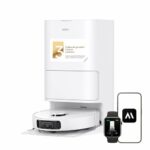
Integration with external voice assistants like Alexa and Google Home features on both models, allowing hands-free control through existing smart home ecosystems. Neither incorporates a proprietary voice assistant or robotic arm functionality.
Multifunction Base Station
Self-emptying dustbin technology appears on both bases, transferring collected debris into larger bags that require emptying only every few weeks. The Roborock QV 35A uses a slightly larger 2.7-litre bag compared to the Xiaomi's 2.5-litre capacity—a minor difference that might mean emptying every 8 weeks instead of 7 in average households.
Water tank capacities run similar, with 4 litres of clean water storage on both models. The dirty water tanks differ marginally: 3.5 litres on the Roborock versus 3.8 litres on the Xiaomi. These volumes support multiple mopping sessions before requiring user intervention.
Neither base offers automatic tray cleaning, UV sterilisation, detergent dispensers, or plumbing connections. No optional water line kits are available either, meaning manual refilling remains necessary.
Dimensions
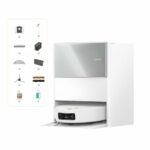
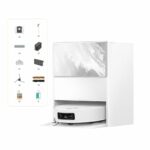
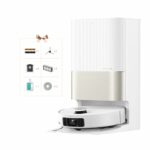
The robots themselves measure nearly identically. The Roborock QV 35A spans 353 mm in diameter and stands 96.5 mm tall, whilst the Xiaomi X20 Max measures 350 mm across and 97 mm high. That half-millimetre height advantage on the Xiaomi proves meaningless in real-world furniture clearance.
Base station footprints diverge more noticeably. Both share 340 mm width, but the Roborock measures 487 mm deep and 521 mm tall against the Xiaomi's 420 mm depth and 563 mm height. The Roborock requires more floor space extending outward from the wall, whilst the Xiaomi demands greater vertical clearance. Consider your available space carefully—the Roborock suits locations with floor area to spare, whereas the Xiaomi fits better in taller, narrower alcoves.
Real-World Usage Considerations
For homes with pets or residents with long hair, the Xiaomi X20 Max's TriCut 3.0 brush technology addresses one of the most frustrating maintenance issues—hair tangles around the main roller. The Roborock's anti-tangle side brush helps but doesn't solve the primary brush concern.
The Roborock QV 35A's superior 180-minute runtime makes it the natural choice for larger properties where a single cleaning cycle needs to cover substantial square meterage without interruption. Smaller flats or apartments won't benefit from this extended battery life.
Mopping performance tilts toward the Xiaomi X20 Max for households prioritising floor washing. Hot water mop cleaning and heated drying deliver noticeably better results on kitchen floors or high-traffic areas where grime accumulates. The extendable mops further enhance edge cleaning along skirting boards. The Roborock's cold-water system handles light maintenance adequately but won't match the Xiaomi's deep-cleaning capability.
The Xiaomi's 3D sensor and LED lighting prove valuable in cluttered homes or those with varied lighting conditions. These features reduce collision risks with chair legs, pet bowls, or children's toys left on floors.
Conclusion: Which Should You Choose?
Choose the Roborock QV 35A if: you're managing a large home where extended battery life matters most. The 180-minute runtime ensures comprehensive coverage without recharge interruptions. This model suits users who prioritise vacuuming performance over advanced mopping features and can accept cold-water mop maintenance. The anti-tangle side brush helps with peripheral hair management, though the main brush requires regular attention. Roborock's reputation for reliability and excellent app functionality adds confidence to this choice.
Choose the Xiaomi X20 Max if: mopping quality ranks as your primary concern. Hot water washing and heated mop drying deliver superior floor cleaning results, particularly on hard surfaces prone to sticky residues or greasy marks. The extendable mops reach edges more effectively, whilst TriCut 3.0 technology significantly reduces hair tangles on the main brush. Enhanced navigation through 3D sensing and LED lighting benefits homes with numerous obstacles or darker spaces. The shorter 120-minute runtime suffices for most medium-sized properties, and the slightly taller base fits well in vertical storage spaces.