✨ VS Analyses · VacuumSpain comparison technology. Explanation created with AI from verified technical data.
Introduction
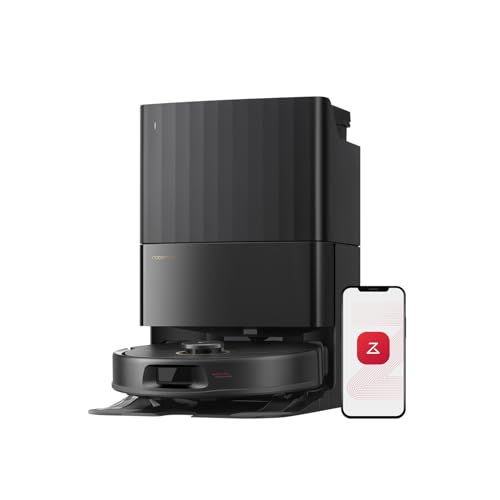
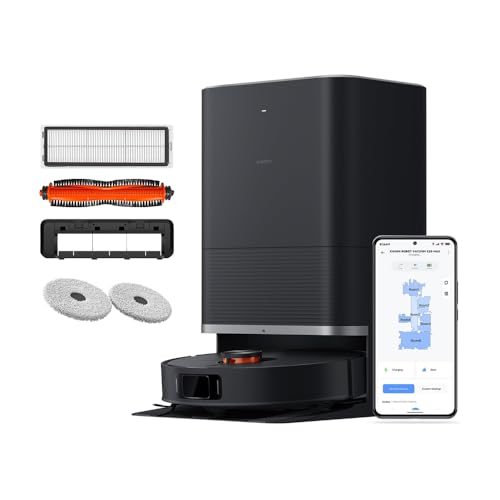
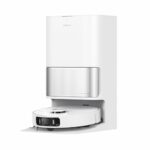
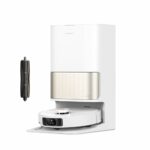
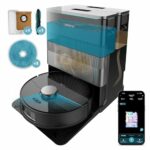
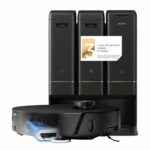
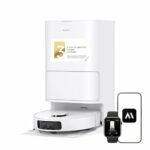
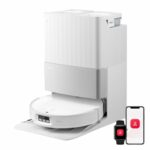
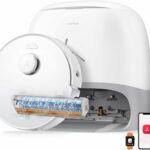
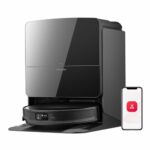
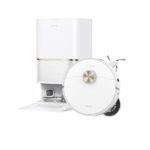
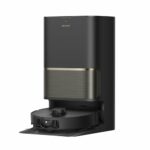
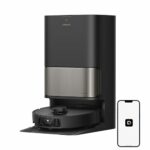
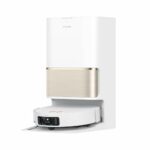
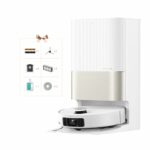
The Roborock Qrevo S5V represents the manufacturer's 2025 offering, whilst the Xiaomi X20 Max arrived on the market in 2024. Both feature multifunction bases that handle automatic emptying, mop washing and drying, making them suitable for users seeking minimal maintenance. These are high-capacity models designed for comprehensive cleaning with both vacuuming and mopping capabilities.
The Roborock model delivers 12,000 Pa of suction power and includes the brand's distinctive DuoDivide anti-tangle brush system. The Xiaomi X20 Max operates at 8,000 Pa with a TriCut 3.0 brush. Both robots incorporate dual rotating mops with edge extension and 10 mm lift capability, though their navigation systems differ in sensor configuration.
For households requiring extended runtime or those with larger floor areas, the autonomy differences become relevant. The navigation approach also varies between models, with the Xiaomi including additional frontal sensors that the Roborock lacks.
Power and Suction
The suction differential between these models is substantial. The Roborock Qrevo S5V operates at 12,000 Pa, whilst the Xiaomi X20 Max reaches 8,000 Pa. This 4,000 Pa difference translates to noticeably stronger pickup performance, particularly relevant for embedded dirt in carpet fibres or textured hard floors.
Regarding brush systems, the Roborock employs its DuoDivide anti-tangle brush, which channels hair towards the central suction opening to minimise wrapping around the roller. The Xiaomi uses a TriCut 3.0 design that combines bristles with integrated cutting blades to slice through tangled hair. Both approaches address the hair-wrapping issue, though through different mechanisms.
The side brush configuration shows another distinction. The Roborock Qrevo S5V includes an anti-tangle side brush, whilst the Xiaomi X20 Max uses a standard design without this feature. For homes with long hair or pet fur, this detail affects maintenance frequency. Neither model offers extendable or liftable side brushes, and both keep their main brushes at fixed height during mopping.
Mopping
Both robots feature dual rotating mops with edge extension capability, allowing them to reach closer to skirting boards during the mopping cycle. Each can lift its mops 10 mm when transitioning onto carpets or rugs, though neither includes automatic mop removal at the base for vacuum-only sessions.
The mop washing process differs between models. The Roborock Qrevo S5V washes mops using cold water, whilst the Xiaomi X20 Max employs hot water for this task. Hot water generally proves more effective at breaking down dried-on residue and sanitising the mop pads between cleaning runs. Both dry their mops using heated air, which helps prevent odours and bacterial growth.
Neither robot includes dirt detection sensors for the mops or floor surface, meaning they follow programmed cleaning patterns rather than adjusting intensity based on detected soil levels. The base stations lack automatic cleaning of their wash trays and don't include detergent dispensers or UV sterilisation.
Water tank capacities are nearly identical: both hold 4 litres of clean water, whilst the dirty water tanks measure 3.5 litres on the Roborock and 3.8 litres on the Xiaomi. These volumes support extended mopping sessions before requiring manual refilling or emptying.
Navigation System
Both models use LiDAR turret navigation with 3D mapping capabilities and obstacle avoidance. The fundamental difference lies in supplementary sensors. The Xiaomi X20 Max incorporates a frontal 3D laser sensor and LED lighting for night vision, features absent from the Roborock Qrevo S5V.
These additional sensors on the Xiaomi potentially improve obstacle detection accuracy, particularly for low-profile objects that might sit below the LiDAR turret's scanning plane. The LED illumination assists navigation in darkened rooms, though neither robot includes a camera for AI-based object recognition or remote viewing.
The Roborock includes SmartPlan 1.0 intelligent cleaning, whilst the Xiaomi offers its own AI cleaning system without a specific version designation. Neither recognises pets specifically, detects curtains, or identifies stains for targeted treatment. Both support external voice assistants like Alexa and Google Home.
Battery and Autonomy
Battery capacity matches at 5,200 mAh for both robots, yet runtime differs significantly. The Roborock Qrevo S5V achieves 180 minutes of operation, whilst the Xiaomi X20 Max runs for 120 minutes. This 60-minute difference likely stems from the Xiaomi's additional sensors and hot water washing system consuming more power.
For practical purposes, 180 minutes allows the Roborock to cover larger floor areas in a single session or handle entire multi-level homes without recharging. The Xiaomi's 120 minutes remains sufficient for most flats and medium-sized houses, though extensive properties might require mid-clean charging stops.
Smart Functions
Both robots can climb obstacles up to 20 mm high, enabling them to traverse typical door thresholds and transition between different flooring levels without assistance. Neither includes a robotic arm for additional functionality, nor do they feature proprietary voice assistants. Integration with Alexa and Google Home is available on both models for voice control through existing smart home ecosystems.
Multifunction Base Station
The base stations on both models handle automatic dust emptying into disposable bags, mop washing and heated air drying. The Roborock's dust bag holds 2.7 litres compared to 2.5 litres on the Xiaomi—a marginal difference that translates to similar emptying intervals of several weeks for typical households.
As mentioned, the key distinction appears in mop washing temperature: cold water for the Roborock, hot water for the Xiaomi. Neither base includes automatic wash tray cleaning, UV disinfection, or detergent dispensing. Connection to household plumbing isn't available as standard, and no optional kit is offered for either model.
Dimensions
The robots measure almost identically. The Roborock Qrevo S5V stands 96.5 mm tall with a 353 mm diameter, whilst the Xiaomi X20 Max reaches 97 mm in height with a 350 mm diameter. This 0.5 mm height difference is negligible for furniture clearance—both should fit under typical sofas and bed frames with 10 cm clearance.
Base station footprints differ more noticeably. The Roborock base measures 340 mm wide, 521 mm tall and 487 mm deep. The Xiaomi base shares the 340 mm width but stands taller at 563 mm and sits shallower at 420 mm depth. The Xiaomi's reduced depth might suit tighter alcoves, whilst the Roborock's lower profile works better under shelving or in utility cupboards with height restrictions.
Real-World Usage Experience
The Roborock Qrevo S5V suits larger homes where its 180-minute runtime and 12,000 Pa suction prove advantageous. The DuoDivide brush system particularly benefits households with long-haired occupants or shedding pets, reducing the frequency of manual brush maintenance. Its 330 ml onboard dust container provides decent capacity for multi-room sessions.
The Xiaomi X20 Max works well for medium-sized properties where 120 minutes suffices. Its hot water mop washing offers better hygiene for the mopping system itself, though the 8,000 Pa suction may struggle slightly more with deep carpet cleaning compared to the Roborock. The additional frontal sensors and night vision LED potentially improve navigation reliability around furniture legs and in darker spaces.
Both handle hard floors, tiles and low-pile carpets effectively with their 10 mm mop lift. Neither excels at thick carpet deep-cleaning compared to dedicated vacuum-only robots with higher suction, but they provide competent all-round performance. The anti-tangle features on both models—though implemented differently—address pet hair concerns adequately.
Conclusion: Which to Choose?
Choose the Roborock Qrevo S5V if: you have a larger home requiring extended runtime, prioritise maximum suction power for carpets and textured floors, want comprehensive anti-tangle features on both main and side brushes, or need a slightly more compact base station in terms of height. The 180-minute autonomy and 12,000 Pa suction make this the stronger performer for demanding cleaning scenarios.
Choose the Xiaomi X20 Max if: you value hot water mop washing for better hygiene, prefer enhanced navigation sensors including 3D laser and LED night vision, have a medium-sized home where 120 minutes proves sufficient, or need a base station with reduced depth to fit tighter spaces. The 8,000 Pa suction remains capable for most households, and the sensor package offers potentially smoother navigation.
For homes with multiple pets or long-haired residents, the Roborock's comprehensive anti-tangle system across both brushes edges ahead. For those prioritising mopping hygiene and navigation precision, the Xiaomi's hot water washing and additional sensors provide clear advantages. Both represent capable robot vacuum and mop combinations with multifunction bases that minimise hands-on maintenance.