✨ VS Analyses · VacuumSpain comparison technology. Explanation created with AI from verified technical data.
Introduction
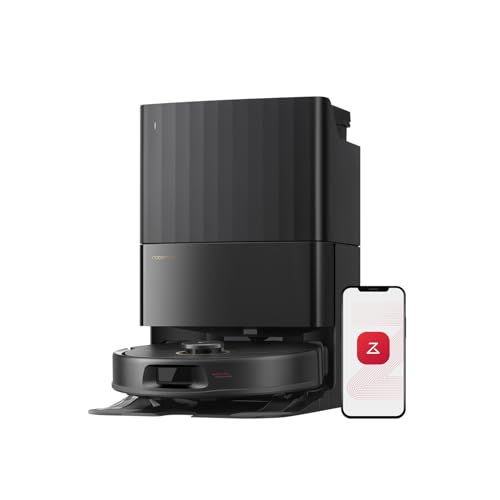
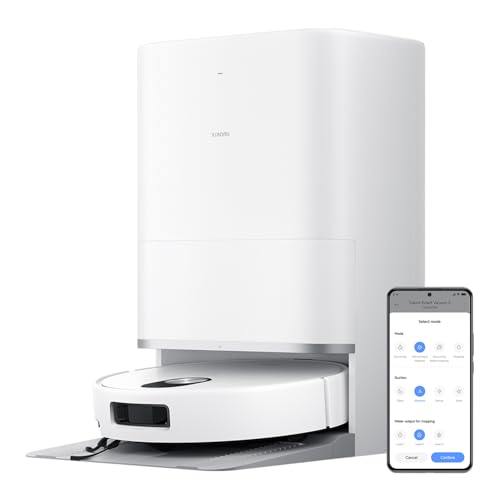
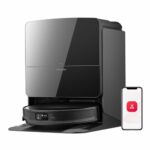
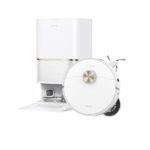
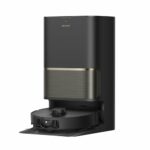
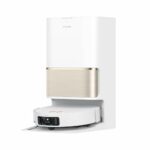
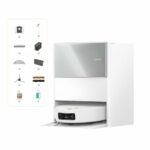
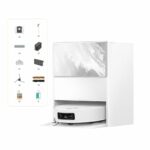
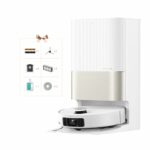
The Roborock Qrevo S5V and Xiaomi Robot Vacuum 5 represent two fresh approaches to automated home cleaning from 2025. Both manufacturers have equipped these models with multifunction bases that handle the complete cleaning cycle, from self-emptying the dustbin to washing and drying the mops. This makes them suitable for users who want minimal intervention in their daily cleaning routines.
The Roborock model features the brand's signature DuoDivide anti-tangle brush system and a 3D LIDAR turret for navigation. Meanwhile, the Xiaomi unit pushes suction power to 20,000 Pa and incorporates a retractable LIDAR alongside a 3D laser sensor at the front. Both are designed for homes that need regular mopping alongside vacuuming, though their technical differences suggest they might appeal to slightly different priorities.
Power and Suction
Suction performance separates these two models quite clearly. The Xiaomi Robot Vacuum 5 delivers 20,000 Pa, which provides considerable pull for embedded dirt in carpets and grouted tiles. The Roborock Qrevo S5V operates at 12,000 Pa, a respectable figure that handles everyday debris without issue but won't match the Xiaomi's raw extraction power on deep-pile rugs or heavily soiled areas.
When it comes to brush technology, Roborock opts for its DuoDivide anti-tangle system. This design channels hair towards the central suction inlet, reducing the amount that winds around the roller. Xiaomi uses the TriCut 3.0 brush, which combines bristles with integrated cutting blades to slice through tangled hair as the brush rotates. Both approaches tackle pet hair, though the mechanisms differ.
The Xiaomi model includes an extendable side brush that reaches further into corners and along skirting boards. The Roborock unit uses a standard side brush. Neither model elevates its main or side brushes during mopping, and both feature anti-tangle side brushes to minimise maintenance.
Mopping
Both robots use dual rotating mops with edge extension to reach closer to walls and furniture legs. The Xiaomi Robot Vacuum 5 lifts its mops up to 15 mm when it detects carpet or returns to the base, whilst the Roborock Qrevo S5V raises them 10 mm. That extra clearance on the Xiaomi can matter if you have thicker rugs or raised door thresholds.
Neither robot heats the water it uses to mop the floor itself—both rely on cold water for surface cleaning. However, the base stations differ significantly. The Xiaomi washes the mops with hot water, which helps break down grease and stubborn marks more effectively than cold rinsing. The Roborock base uses cold water for mop washing. Both bases dry the mops with hot air to prevent odours and bacterial growth.
The Xiaomi base also includes automatic cleaning of its own wash tray, keeping the system hygienic without manual intervention. The Roborock base does not self-clean its tray, so you'll need to rinse it occasionally. Neither robot can automatically detach its mops at the base for vacuum-only sessions, and neither detects dirt on the mops or floor to trigger additional cleaning passes.
Navigation System
The Roborock Qrevo S5V uses a 3D LIDAR turret to map your home and plan efficient routes. This technology is proven and reliable, building accurate floor plans that the robot refines over time. It includes obstacle avoidance to navigate around furniture and scattered objects.
Xiaomi equips its Robot Vacuum 5 with a retractable LIDAR system, which lowers the robot's profile slightly. It also adds a 3D laser sensor at the front for enhanced obstacle detection at close range. This combination can improve navigation around chair legs and low-clearance furniture. The Xiaomi model also features obstacle avoidance.
Neither robot includes an AI camera, LED lighting for night vision, or remote camera access. Pet recognition and curtain detection are absent from both models. The Roborock does mention SmartPlan 1.0 for intelligent cleaning planning, whilst the Xiaomi confirms AI-driven smart cleaning without specifying the system name.
Battery and Autonomy
Both robots carry a 5,200 mAh battery, but runtime differs. The Roborock Qrevo S5V runs for up to 180 minutes on a single charge, giving it more endurance for larger homes or multiple rooms. The Xiaomi Robot Vacuum 5 offers 140 minutes of runtime. The difference likely stems from the Xiaomi's higher suction power consuming more energy during operation.
In practice, 180 minutes can cover extensive floor areas before needing a recharge, which reduces interruptions if you're cleaning a whole floor in one session. The Xiaomi's 140 minutes still handles most typical homes, but you might see it return to dock mid-clean more often in larger properties.
Smart Features
Both robots can climb obstacles up to 20 mm high, allowing them to transition between rooms with different flooring levels or cross shallow door sills without getting stuck. Neither model includes a robotic arm or proprietary voice assistant. Both support external voice assistants such as Alexa and Google Home for hands-free control.
Multifunction Base Station
The base stations share several core functions: self-emptying the dustbin, washing the mops, and drying them with hot air. Dust bag capacity is 2.7 litres for the Roborock and 2.5 litres for the Xiaomi—both sufficient for several weeks before replacement. Clean water tanks hold 4 litres in each base, whilst dirty water capacity is 3.5 litres (Roborock) and 3.8 litres (Xiaomi).
The key distinction lies in mop washing temperature and base hygiene. The Xiaomi washes mops with hot water and automatically cleans its own wash tray, reducing manual maintenance. The Roborock uses cold water for mop washing and requires you to clean the tray yourself periodically. Neither base offers UV disinfection, detergent dispensing, or automatic mop changing. Neither supports connection to household plumbing, and no optional plumbing kit is available for either model.
Dimensions
The Xiaomi Robot Vacuum 5 stands 88 mm tall, noticeably lower than the Roborock Qrevo S5V at 96.5 mm. That 8.5 mm difference can determine whether the robot fits under certain sofas, beds, or kitchen cabinets. Diameter is nearly identical: 350 mm for the Xiaomi and 353 mm for the Roborock.
Base dimensions vary more. The Roborock base measures 340 mm wide, 521 mm tall, and 487 mm deep. The Xiaomi base is 360 mm wide, 572 mm tall, and 470 mm deep. The Xiaomi base is taller and wider but slightly shallower, so consider your available floor space and any overhead clearance when choosing a location.
The Roborock robot has a 330 ml onboard dustbin. The Xiaomi confirms an onboard water tank but does not specify dustbin capacity. The Roborock also lists an 80 ml water reservoir in the robot itself.
Real-World Use Experience
For homes with thick carpets or persistent dirt, the Xiaomi's 20,000 Pa suction and extendable side brush deliver stronger cleaning performance. The 3D laser sensor at the front also helps it navigate cluttered spaces more confidently. However, the Roborock's longer 180-minute runtime suits larger properties where continuous cleaning avoids multiple recharge cycles.
If you have pets, both brushes handle hair, but the DuoDivide system in the Roborock is specifically designed to reduce tangling. The TriCut 3.0 in the Xiaomi cuts through hair as it accumulates. Maintenance frequency may differ depending on your pet's shedding patterns.
The Xiaomi's lower profile makes it better for homes with low-clearance furniture. The hot water mop washing and self-cleaning tray also reduce the hands-on maintenance required. The Roborock demands a bit more attention to the base tray but compensates with longer battery life and a proven navigation system.
Neither robot heats the water it uses on your floors, so don't expect hot mopping of the surface itself. The difference is in how the base cleans the mops between passes, which affects how fresh they stay over time.
Conclusion: Which One to Choose?
Choose the Roborock Qrevo S5V if: you have a larger home where the 180-minute runtime prevents interruptions, you prefer the DuoDivide anti-tangle brush for managing pet hair, or you want a slightly more compact base footprint. The proven LIDAR turret navigation and SmartPlan 1.0 offer reliable performance, though you'll need to clean the base tray manually.
Choose the Xiaomi Robot Vacuum 5 if: you need maximum suction power for deep-pile carpets or stubborn dirt, you want the robot to fit under low furniture thanks to its 88 mm height, or you prefer minimal base maintenance with hot water mop washing and automatic tray cleaning. The extendable side brush and 3D laser sensor add extra precision in corners and around obstacles, though battery life is shorter.
Households with pets benefit from either model, but the Roborock's longer runtime and DuoDivide brush may edge ahead for larger areas with multiple animals. The Xiaomi suits those prioritising suction strength and base hygiene automation. Both deliver comprehensive cleaning with multifunction bases, so the choice hinges on whether you value endurance and anti-tangle design or raw power and reduced maintenance.