✨ VS Analyses · VacuumSpain comparison technology. Explanation created with AI from verified technical data.
Introduction
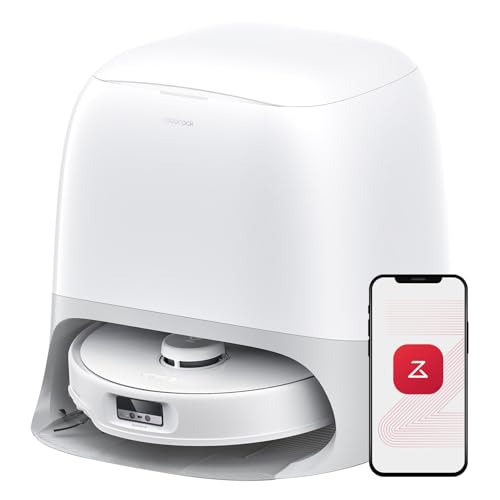
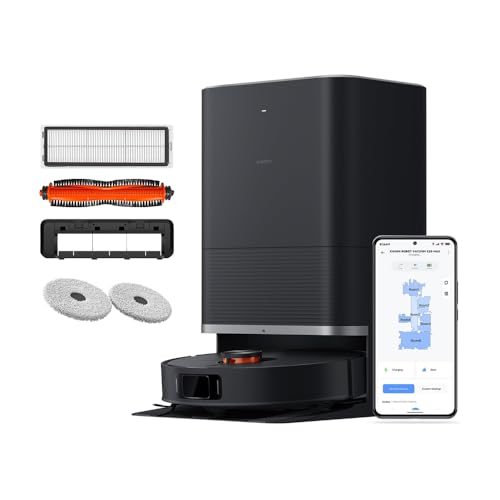
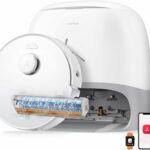
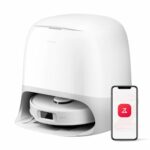
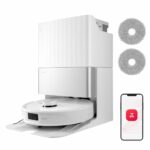
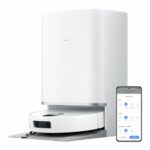
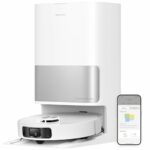
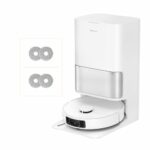
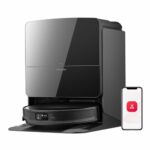
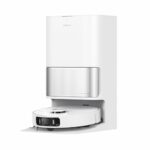
The Roborock Qrevo Curv and Xiaomi X20 Max represent two distinct approaches to premium robot vacuum cleaning in 2024. Both models feature multifunctional bases with hot water mop washing and heated air drying, but they differ significantly in power, intelligence, and design philosophy. The Qrevo Curv positions itself as a top-tier solution with exceptional suction power and advanced AI capabilities, whilst the X20 Max offers a more streamlined specification at what will likely be a different price point.
For households seeking maximum cleaning performance and smart home integration, these differences matter considerably. The Roborock option brings more than double the suction power and sophisticated dual-camera navigation, making it particularly suited to larger homes with pets. The Xiaomi alternative still provides solid fundamentals with its rotating mop system and 3D laser sensing, but takes a simpler approach to automation.
Power and Suction
The difference in raw cleaning power is substantial. The Roborock Qrevo Curv delivers 18,500 Pa of suction, which puts it amongst the most powerful robot vacuums available. The Xiaomi X20 Max provides 8,000 Pa—still respectable for everyday cleaning, but less than half the force. In practice, this gap becomes noticeable with embedded dirt in carpets, pet hair deeply lodged in rugs, or debris in grout lines.
The brush systems reveal further distinctions. Roborock's DuoDivide design features dual rollers that push hair towards the central suction channel, actively preventing tangles. The X20 Max uses TriCut 3.0 technology, which combines bristles with cutting blades to slice through tangled hair. Both approaches reduce maintenance, but the DuoDivide system represents a more recent evolution in anti-tangle engineering.
Only the Qrevo Curv can lift its main brush during mopping. This prevents the roller from interfering with the mopping process and stops clean floors from being marked by a dirty brush. The X20 Max keeps its brush in contact throughout.
The side brush comparison favours Roborock decisively. The Qrevo Curv features an extendable side brush that reaches into corners more effectively, plus anti-tangle bristles that resist hair wrap. The X20 Max has a conventional side brush without these enhancements. Neither model lifts the side brush when mopping, so both may occasionally flick water droplets during wet cleaning.
Mopping
Both robots use dual rotating mop pads and can extend them towards edges for better coverage along skirting boards. The Qrevo Curv lifts its mops between 10 and 20 mm when crossing carpets or returning to base, whilst the X20 Max manages 10 mm. That extra clearance helps with thicker rugs and reduces the risk of damp transfer.
Each base washes mops with hot water and dries them using heated air, which accelerates drying and limits bacterial growth. Water temperature for floor mopping remains cold on both models—neither heats the water supply for actual cleaning, only for washing the pads at the base.
The Qrevo Curv includes dirt detection for both mops and floors. When sensors identify persistent grime, the robot can make additional passes or return to the base for mop rinsing mid-clean. The X20 Max lacks this feedback loop, relying instead on preset cleaning patterns. For homes with high-traffic areas or muddy paw prints, this adaptive behaviour makes a tangible difference.
Neither robot automatically detaches its mops at the base when you want vacuum-only operation. You'll need to remove them manually if you're planning to clean carpets exclusively.
Navigation System
Both models employ 3D LiDAR turrets for mapping and 3D laser sensors at the front for obstacle avoidance. LED lighting aids navigation in dim conditions. The fundamental navigation architecture is therefore similar, but the Qrevo Curv adds dual AI cameras for visual recognition.
Roborock's dual-camera setup identifies 62 different object types, including specific recognition of pets. This allows the robot to modify behaviour around animals—slowing down near sleeping dogs, for example, or avoiding food bowls. The X20 Max relies solely on laser-based detection without visual identification, so it treats all obstacles as generic objects.
Remote camera access is available on the Qrevo Curv, letting you check on your home through the robot's cameras via the app. The X20 Max doesn't offer this feature. Pet owners often find this useful for monitoring animals whilst away.
The Qrevo Curv runs RR Mason 11.0 processing with SmartPlan 2.0 intelligence, which optimises cleaning routes based on room type, furniture layout, and historical dirt patterns. The X20 Max includes AI-driven cleaning logic but doesn't specify the processor or algorithm generation.
Battery and Autonomy
The Roborock Qrevo Curv houses a 6,400 mAh battery delivering up to 240 minutes of runtime. The Xiaomi X20 Max contains a 5,200 mAh cell good for 120 minutes. That's double the operating time, which matters considerably for larger properties or whole-home cleaning sessions without interruption.
With extended runtime comes the ability to cover more ground before recharging. The Qrevo Curv can tackle expansive floor plans in a single pass, whilst the X20 Max may need to return to base mid-clean in homes exceeding 100-120 square metres. Neither manufacturer specifies charging time, but larger batteries typically require longer to replenish.
Smart Features
The Qrevo Curv's AdaptLift system enables it to climb obstacles intelligently, adjusting its approach based on the barrier type. The X20 Max can surmount thresholds up to 20 mm. In practical terms, both handle standard door thresholds, but the Roborock's adaptive method may prove more reliable with uneven surfaces or unusual obstacles.
Voice control works differently on each model. The Qrevo Curv includes its own built-in voice assistant, allowing direct commands without external smart speakers. The X20 Max integrates with Alexa and Google Home but lacks onboard voice processing. For users who prefer not to rely on third-party ecosystems, the Roborock approach offers more independence.
Multifunctional Base
Both bases auto-empty dust into 2.5-litre bags, wash mops with hot water, and dry them with heated air. Water tank capacities are identical: 4 litres for clean water, with the Qrevo Curv holding 3 litres of dirty water versus 3.8 litres on the X20 Max. That slight difference is negligible in everyday use.
The Qrevo Curv's base features a 2.0 self-cleaning system for the wash tray itself, reducing maintenance frequency. The X20 Max base requires manual cleaning of the tray. Over weeks of use, this automation reduces hands-on upkeep.
Neither base includes UV disinfection, detergent dispensers, or plumbing connections. No optional kit exists for permanent water hookup, so you'll refill and empty tanks manually on both models.
Dimensions
The Xiaomi X20 Max stands 97 mm tall, allowing it to slip under furniture with low clearance more readily than the 103 mm Qrevo Curv. That 6 mm difference can determine whether a robot fits beneath certain sofas or cabinets. Diameter is nearly identical: 352 mm versus 350 mm.
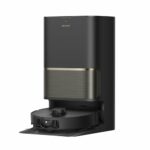
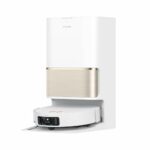
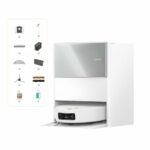
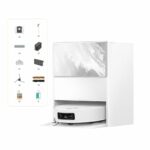
Base footprints differ noticeably. The Qrevo Curv's base measures 450 mm in all three dimensions—a substantial cube. The X20 Max base is narrower at 340 mm wide but taller at 563 mm, with 420 mm depth. The Roborock station demands more floor space, whilst the Xiaomi unit requires greater vertical clearance. Consider your available space: corner placement suits the narrower X20 Max base, whilst open floor areas accommodate the Qrevo Curv's square footprint more easily.
Real-World Usage
For large homes, the Roborock Qrevo Curv's 240-minute battery and 18,500 Pa suction make it the more capable choice. It can clean expansive areas without recharging and handles deep-pile carpets or embedded dirt with authority. The dual cameras and pet recognition prove valuable in multi-room layouts with animals, where visual intelligence helps avoid accidents.
Pet owners benefit particularly from the DuoDivide anti-tangle brush, extendable side brush, and adaptive AI. The X20 Max's TriCut system still manages hair reasonably well, but the Qrevo Curv's combination of higher suction and advanced brush design reduces the frequency of manual cleaning.
The X20 Max suits smaller homes or apartments where 120 minutes suffices for complete coverage. Its lower profile helps it navigate under more furniture, and the simpler feature set may appeal to those who prefer straightforward operation without extensive customisation. The 8,000 Pa suction handles hard floors and low-pile carpets adequately for routine maintenance.
Maintenance convenience tilts towards the Qrevo Curv thanks to base tray self-cleaning and dirt detection that prompts mop rinsing when needed. The X20 Max requires more frequent manual intervention to keep the base tray fresh.
Conclusion: Which to Choose?
Choose the Roborock Qrevo Curv if: you have a large home requiring extended runtime, own pets that shed heavily, want maximum suction power for deep carpet cleaning, value AI-driven adaptability with visual object recognition, prefer remote camera access for home monitoring, or want minimal base maintenance with automatic tray cleaning. This model suits users seeking the most advanced technology available and willing to accommodate a larger base footprint.
Choose the Xiaomi X20 Max if: you live in a smaller property where 120 minutes covers your floor area, need a robot that fits under low-clearance furniture thanks to its 97 mm height, prefer a narrower base that occupies less floor space, want solid fundamentals without paying for advanced AI features, or find 8,000 Pa suction sufficient for your flooring types. This option appeals to those prioritising practical cleaning performance over cutting-edge intelligence.