✨ VS Analyze · VacuumSpain comparison technology. AI-generated explanation based on verified technical data.
Introduction
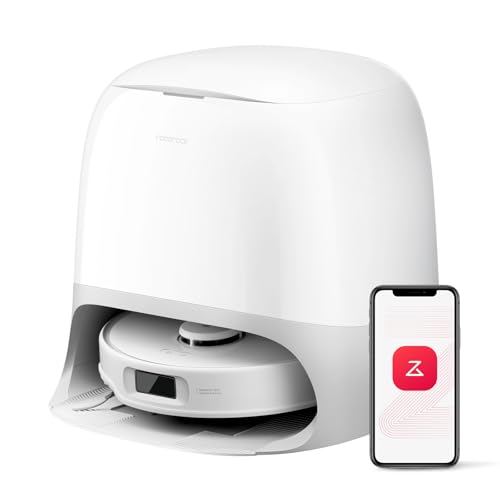
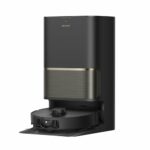
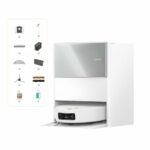
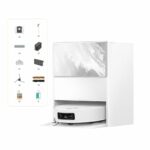
The Roborock Qrevo Curv S5X and the Roborock Saros Z70 represent two generations of premium robot vacuum cleaners from the world's leading manufacturer in this category. The Qrevo Curv S5X arrived in 2024 as a high-end solution, whilst the Saros Z70 launched in 2025 with significant technological upgrades that push the boundaries of what these devices can achieve.
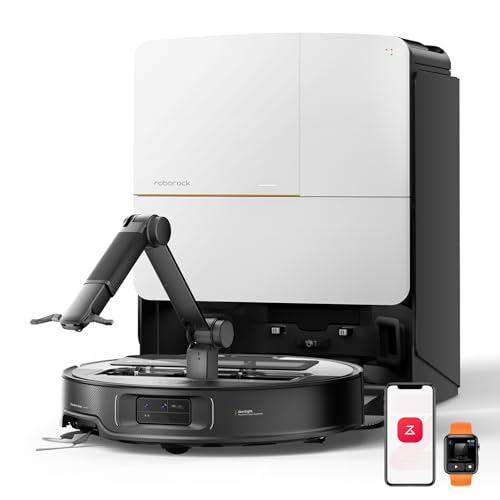
Both models feature multifunctional bases that handle the entire cleaning cycle autonomously, making them suitable for users seeking minimal intervention. The Saros Z70 introduces innovations like a robotic arm and advanced AI vision, positioning it as a cutting-edge option for tech enthusiasts and larger homes. The Qrevo Curv S5X, meanwhile, delivers robust performance with proven technology at a more accessible price point.
Power and Vacuuming
Suction power climbs from 18,500 Pa in the Qrevo Curv S5X to 22,000 Pa in the Saros Z70. This 3,500 Pa increase translates to better performance on carpets and improved debris extraction from textured surfaces. For homes with rugs or pets that shed heavily, this boost makes a tangible difference.
The Qrevo Curv S5X uses Roborock's DuoDivide anti-tangle brush, which channels hair towards the central suction inlet to minimise wrapping around the roller. The Saros Z70 employs a different anti-tangle design but adds the ability to lift the main brush during mopping. This prevents the roller from dragging dirty water across floors and keeps it cleaner for longer.
Both models feature extensible side brushes that reach into corners more effectively. They also share anti-tangle side brush technology. The Saros Z70 goes further by raising its side brush when mopping, preventing it from flicking dirty water onto skirting boards or walls. In practice, this refinement keeps edges cleaner and reduces the need to wipe down baseboards manually.
Mopping
Each robot uses dual rotating mops that extend to reach edges. The Qrevo Curv S5X lifts its mops 10 mm when encountering carpets, whilst the Saros Z70 achieves between 12 and 22 mm of elevation depending on the obstacle. Higher lift capacity means the newer model can traverse thicker rugs without wetting them, which matters in homes with varied floor coverings.
Water temperature during mopping differs between the two. The Qrevo Curv S5X uses cold water, whereas the Saros Z70 employs warm water. Warm water dissolves grease and sticky residues more effectively, leading to visibly cleaner hard floors after each pass. This becomes especially noticeable in kitchens or high-traffic areas.
The Saros Z70 can detach its mops automatically at the base when you want to vacuum only, saving you from removing them manually. The Qrevo Curv S5X requires you to handle this yourself. Both models detect dirt on their mops and on the floor, triggering additional cleaning passes when needed. This intelligent re-mopping ensures stubborn marks don't get left behind.
Base stations on both robots wash mops with hot water and dry them using heated air, preventing odours and bacterial growth. The Saros Z70 adds a detergent dispenser to the base, automatically dosing cleaning solution during mop washing. The Qrevo Curv S5X lacks this feature, so you'll need to add detergent manually if you want enhanced cleaning.
Navigation System
The Qrevo Curv S5X relies on a 3D LiDAR turret for mapping and obstacle avoidance. It lacks cameras, so it doesn't identify specific objects visually. The Saros Z70 introduces StarSight 2.0, which combines dual AI cameras with a front-mounted 3D laser sensor. This setup recognises 108 different obstacle types, including pets, and can distinguish between objects to navigate more intelligently.
Processing power also differs. The Qrevo Curv S5X runs RR Mason 11.0, whilst the Saros Z70 uses RR Mason 12.0. The newer algorithm improves route planning and object recognition accuracy. Both models feature SmartPlan 2.0 for intelligent cleaning strategies, but the Saros Z70 adds AI-driven stain recognition, allowing it to identify and focus on dirty patches without manual intervention.
Remote camera access is exclusive to the Saros Z70. You can view live footage through the app, turning the robot into a mobile home monitor. LED night vision ensures clear images even in low light. The Qrevo Curv S5X doesn't offer this functionality at all.
Battery and Autonomy
Battery capacity jumps from 5,200 mAh in the Qrevo Curv S5X to 6,400 mAh in the Saros Z70. The older model delivers 180 minutes of runtime, which suits most medium to large homes. Autonomy figures for the Saros Z70 aren't available, but the larger battery suggests extended operation between charges. For sprawling properties or multi-level cleaning sessions, this extra capacity reduces interruptions.
Intelligent Features
Both robots climb obstacles up to 20 mm, though the Saros Z70 specifies this applies to simple steps and thresholds. The standout difference here is the OmniGrip robotic arm fitted to the Saros Z70. This mechanical appendage can grasp and move lightweight objects—such as slippers, toys, or charging cables—out of the cleaning path. The Qrevo Curv S5X has no equivalent feature, so you'll need to clear floors manually before running it.
The Saros Z70 also includes its own voice assistant, allowing you to issue commands directly to the robot without relying on external platforms. Both models integrate with Alexa and Google Home, but having a built-in assistant adds convenience for hands-free control.
Multifunctional Base
Each base empties the robot's dustbin automatically into a 2.5-litre bag, washes mops with hot water, and dries them using heated air. Self-cleaning of the wash tray occurs on both, using the 2.0 system that scrubs the tray itself to prevent grime build-up. Neither base offers UV disinfection or integrated plumbing connections, though aftermarket kits aren't available either.
Water tanks hold 4 litres of clean water and 3 litres of dirty water on both models. The key difference lies in the detergent dispenser present only in the Saros Z70's base. This automates the dosing of cleaning solution during mop washing, maintaining consistent results without manual intervention. On the Qrevo Curv S5X, you'll need to add detergent yourself if desired.
Dimensions
The Saros Z70 measures just 79.8 mm tall, making it one of the slimmest models available. The Qrevo Curv S5X stands at 98 mm. That 18.2 mm difference determines whether the robot can slip beneath low-clearance furniture like sofas, beds, or cabinets. For homes with minimal space under furniture, the Saros Z70 accesses areas the older model simply cannot reach.
Diameter remains nearly identical at 352 mm versus 353 mm, so both navigate narrow gaps equally well. Dustbin capacity inside the robot differs: 325 ml for the Qrevo Curv S5X and 180 ml for the Saros Z70. The smaller bin in the newer model reflects its reliance on frequent auto-emptying, which the multifunctional base handles seamlessly. Water tanks on the robots themselves hold 80 ml and 69 ml respectively, though this matters little given both return to the base regularly for refilling.
Base dimensions vary more noticeably. The Qrevo Curv S5X base is a 450 mm cube, whilst the Saros Z70 base measures 381 mm wide, 488 mm tall, and 475 mm deep. The newer base has a smaller footprint but stands taller. Consider your available floor space when choosing between them.
Real-World Use
In larger homes, the Saros Z70's bigger battery and enhanced suction handle extended cleaning runs more effectively. Its ability to lift brushes during mopping and automatically detach mops at the base reduces manual tasks, which suits users wanting a truly hands-off experience. The robotic arm proves useful in households with children or clutter-prone areas, clearing obstacles autonomously.
For homes with low furniture, the Saros Z70's slim 79.8 mm profile opens up cleaning zones the Qrevo Curv S5X cannot access. Pet owners benefit from the Saros Z70's pet recognition and stronger suction, though the Qrevo Curv S5X's DuoDivide brush handles hair well enough for most situations. Both models feature dirt detection and intelligent re-mopping, ensuring thorough results on hard floors.
The Qrevo Curv S5X suits users who want premium performance without needing every cutting-edge feature. Its larger onboard dustbin means slightly less frequent emptying if you disable auto-empty temporarily. The absence of cameras and a robotic arm simplifies the design, which some may prefer for privacy or reliability reasons. It delivers excellent mopping with hot water mop washing and heated drying, even without warm water on the floor itself.
Conclusion: Which to Choose?
Choose the Roborock Qrevo Curv S5X if you want proven high-end cleaning without paying for the latest innovations. It suits medium to large homes where furniture clearance isn't an issue, and you're comfortable manually removing mops when vacuuming only. The DuoDivide brush handles pet hair effectively, and the multifunctional base delivers thorough mop maintenance. This model offers strong value for users prioritising core performance over advanced AI features.
Choose the Roborock Saros Z70 if you need the slimmest profile to clean under low furniture, or you want the convenience of a robotic arm moving obstacles autonomously. The dual cameras, pet recognition, and remote viewing appeal to tech enthusiasts and those monitoring homes remotely. Larger battery capacity suits sprawling properties, whilst warm water mopping and automatic detergent dosing elevate floor cleaning results. The ability to lift both brushes during mopping and remove mops at the base maximises automation, ideal for users seeking minimal manual intervention.