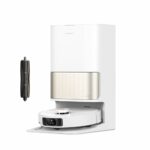
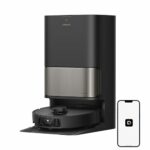
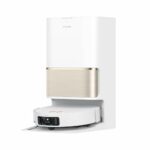
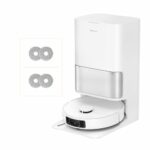
✨ VS Analyses · VacuumSpain comparison technology. Explanation created with AI from verified technical data.
Introduction
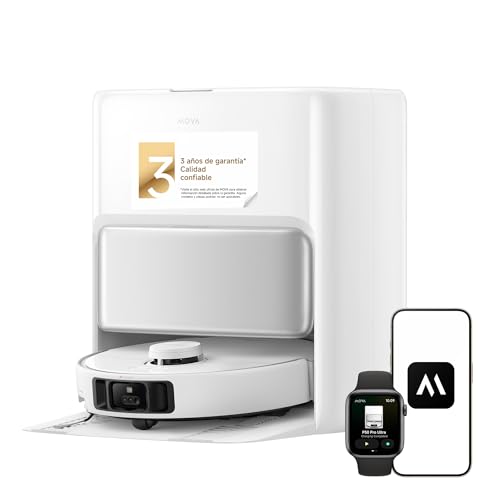
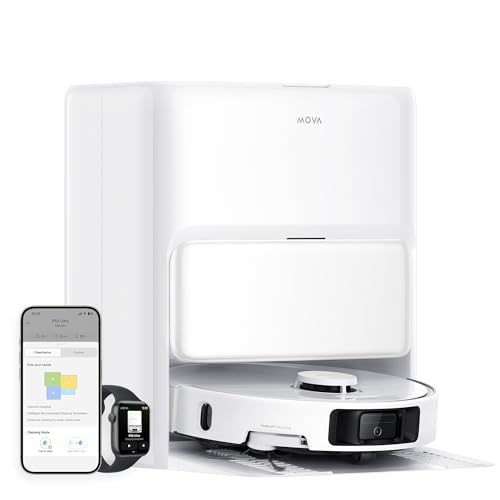
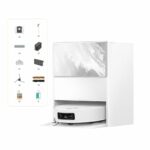
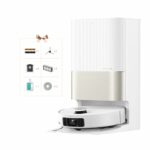
The Mova P50 Pro Ultra and Mova P50 Ultra represent the brand's latest offerings for 2025, both targeting users who want comprehensive cleaning without constant intervention. These models share the same powerful 19,000 Pa suction and identical base dimensions, yet several technical distinctions separate them in ways that matter for daily use.
At first glance, these robots appear nearly identical. Both feature dual rotating mops with edge extension, 10.5 mm mop lift, and multifunctional bases that wash mops with hot water and dry them with heated air. The 5,200 mAh battery capacity is the same, as is the 22 mm obstacle-climbing ability. Yet the Pro Ultra variant includes features that elevate its intelligence and autonomy, particularly for homes with pets or complex layouts.
Understanding which features justify the likely price difference requires looking beyond shared specifications. The distinctions lie primarily in artificial intelligence capabilities, camera systems, and automated convenience functions that reduce manual intervention.
Power and Suction
Both models deliver 19,000 Pa suction, placing them firmly in the high-performance category for 2025. This level handles fine dust on hard floors and embedded debris in medium-pile rugs without difficulty. The 5,200 mAh battery capacity is identical, though only the Pro Ultra specifies 210 minutes of runtime—sufficient for approximately 200-250 square metres in a single session depending on floor type and cleaning mode.
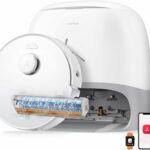
The main brush design diverges significantly. The P50 Pro Ultra employs TriCut 3.0 technology, combining bristles with integrated cutting blades that slice through tangled hair before it forms knots around the roller. This proves particularly valuable in homes with long-haired residents or shedding pets. The standard P50 Ultra uses a conventional brush that requires more frequent manual maintenance to remove hair wraps.
Both robots elevate their main brush during mopping to prevent wet debris from contaminating the roller. The side brush on each model extends to reach corners more effectively and lifts during mopping to avoid flinging water droplets. Anti-tangle features are present on both side brushes, reducing the frequency of manual cleaning.
Mopping
The mopping hardware is essentially identical: dual rotating mops that extend outwards to clean along skirting boards, with 10.5 mm lift capability to clear low-pile rugs and thresholds. Both models use cold water for floor mopping, though the bases wash mops with hot water—a distinction that matters for hygiene but not for the actual floor cleaning process.
What separates these models is intelligence during mopping. The P50 Pro Ultra detects dirt levels on both the mops themselves and the floor surface. When sensors identify stubborn grime, the robot automatically returns to the base for mop washing or increases scrubbing intensity. This adaptive behaviour means heavily soiled areas receive more attention without manual intervention.
The Pro Ultra also removes its mops automatically at the base when you schedule vacuum-only sessions. This prevents clean dry floors from being dampened unnecessarily and eliminates the need to manually detach mops before vacuuming carpeted rooms. The standard P50 Ultra requires you to remove mops by hand if you want pure vacuuming.
Both bases wash mops with hot water and dry them using heated air, completing the third-generation self-cleaning cycle for the washing tray. The 4-litre clean water tank and 3.5-litre dirty water capacity are identical, as is the 3.2-litre dust bag. The Pro Ultra includes an integrated detergent dispenser, whilst the P50 Ultra offers this as an optional accessory purchased separately—a consideration if you prefer cleaning solution during mop washing.
Navigation System
Both robots navigate using a third-generation LiDAR turret combined with frontal 3D laser sensors for obstacle detection. This dual-sensor approach maps rooms accurately and avoids furniture legs, cables, and other hazards. Curtain detection is present on both models, preventing the robot from becoming entangled in floor-length drapes.
The P50 Pro Ultra adds dual AI cameras that fundamentally change how the robot interprets its environment. Whilst the standard model can detect and avoid obstacles, the Pro version recognises what those obstacles actually are—identifying 160 different object types including shoes, pet bowls, charging cables, and toys. This recognition allows more nuanced behaviour: the robot might clean more cautiously around a pet bowl or avoid a child's play area entirely.
Pet recognition is exclusive to the Pro Ultra. The cameras identify cats and dogs, adjusting cleaning patterns to avoid startling animals or disturbing feeding areas. For households with pets, this reduces stress for the animals and prevents the robot from pushing food bowls across the floor.
The LED night vision system on the Pro Ultra enables the cameras to function in low light, maintaining object recognition accuracy even in darkened rooms. Remote camera access allows you to view the robot's perspective through the app—useful for checking on pets whilst away or locating a lost item. The standard P50 Ultra lacks cameras entirely, relying solely on LiDAR and 3D sensors.
Battery and Autonomy
The 5,200 mAh battery is identical across both models. The Pro Ultra specifies 210 minutes of runtime, which translates to substantial coverage for most homes. In practice, this means the robot can clean large open-plan areas or multiple floors without returning to recharge mid-session.
Charging time isn't specified for either model, though batteries of this capacity typically require 3-4 hours to fully replenish. The 22 mm obstacle-climbing ability on both robots allows them to mount thick rugs, door thresholds, and minor floor transitions without assistance.
Smart Functions
Both models incorporate CleanGenius AI for adaptive cleaning routines that adjust suction and water flow based on room type and dirt levels. The system learns your home's layout over time, optimising routes and cleaning intensity for different areas.
The P50 Pro Ultra extends this intelligence with spot recognition AI that identifies visible stains or concentrated dirt patches, automatically increasing scrubbing intensity in those specific zones. This feature relies on the camera system, so it's absent from the standard model.
Voice control via Alexa or Google Assistant works on both robots. However, the Pro Ultra includes its own integrated voice assistant, allowing direct commands without relying on external smart speakers. This proves convenient for quick instructions whilst the phone is out of reach.
Multifunctional Cleaning Base
The base specifications are remarkably similar. Both models auto-empty the 300 ml onboard dust bin into a 3.2-litre bag, wash mops with hot water, and dry them with heated air. The third-generation self-cleaning system for the washing tray prevents bacterial growth and odours between sessions.
The 4-litre clean water tank and 3.5-litre dirty water reservoir are identical, providing enough capacity for several mopping sessions before manual refilling. Neither model supports direct plumbing connection, though no optional kit is available for either.
The detergent dispenser is integrated on the Pro Ultra but sold separately for the standard model. This accessory adds cleaning solution during mop washing for improved hygiene, though it's not essential for effective cleaning. UV disinfection isn't present on either base.
Dimensions
The bases measure 420 mm wide, 470 mm tall, and 458 mm deep for both models—requiring similar floor space in your home. The robot diameter is 350 mm across the board, typical for models with LiDAR turrets.
Height differs noticeably: the P50 Pro Ultra stands 103.8 mm tall whilst the standard model measures 97 mm. This 6.8 mm difference may seem trivial, but it affects clearance under furniture. The Pro Ultra's extra height accommodates the camera housing, so you'll need to measure sofa and bed clearances if tight spaces are a concern. The shorter P50 Ultra accesses low-clearance areas more reliably.
Real-World Use Experience
For homes with pets, the Pro Ultra's TriCut 3.0 brush and pet recognition deliver tangible benefits. The cutting blades reduce hair maintenance from weekly to monthly for most users, whilst camera-based pet detection prevents the robot from disturbing sleeping animals or pushing water bowls around.
Large homes benefit from the Pro Ultra's specified 210-minute autonomy and intelligent dirt detection. The robot handles entire floor plans without recharging, and automatically intensifies cleaning in high-traffic areas without manual mode adjustments.
The automatic mop removal on the Pro Ultra suits mixed-surface homes where you vacuum carpeted bedrooms but mop tiled living areas. The robot transitions between tasks without requiring you to manually detach mops between sessions.
For smaller flats or homes without pets, the standard P50 Ultra provides identical core cleaning performance. The 19,000 Pa suction and hot-water mop washing match the Pro model, and the LiDAR navigation handles furniture avoidance competently. You'll simply need to remove hair from the standard brush more frequently and detach mops manually when vacuuming only.
The height difference matters most for furniture clearance. Measure your lowest sofas and bed frames—if clearance is less than 105 mm, the P50 Ultra's 97 mm profile accesses spaces the Pro model cannot reach.
Conclusion: Which to Choose?
Choose the Mova P50 Pro Ultra if: you have pets that shed hair, as the TriCut 3.0 brush and pet recognition justify the investment. Remote camera access appeals if you want to check on animals whilst away. Homes above 150 square metres benefit from the specified 210-minute runtime and intelligent dirt detection that adapts cleaning intensity automatically. The integrated detergent tank and automatic mop removal reduce maintenance frequency, valuable for users who want maximum autonomy.
Choose the Mova P50 Ultra if: your home lacks pets and you're comfortable with more frequent brush maintenance. The 97 mm height suits furniture with tight clearances where the Pro model wouldn't fit. Smaller flats under 100 square metres don't require the extended autonomy or advanced AI features. You'll achieve identical mopping and suction performance for less investment, provided you're willing to manually remove mops for vacuum-only sessions and clean the brush more regularly.
The Pro Ultra is the better robot aspirador for 2025 if automation and pet-friendly features matter. The standard P50 Ultra delivers excellent cleaning at a lower price point when you don't need cameras or automated mop removal. Both represent solid options from Mova, with the choice ultimately depending on whether the Pro model's intelligence features align with your household's specific needs.