✨ VS Analyses · VacuumSpain comparison technology. Explanation created with AI from verified technical data.
Introduction
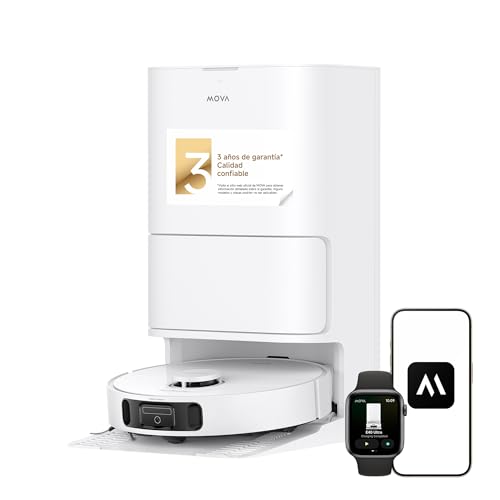
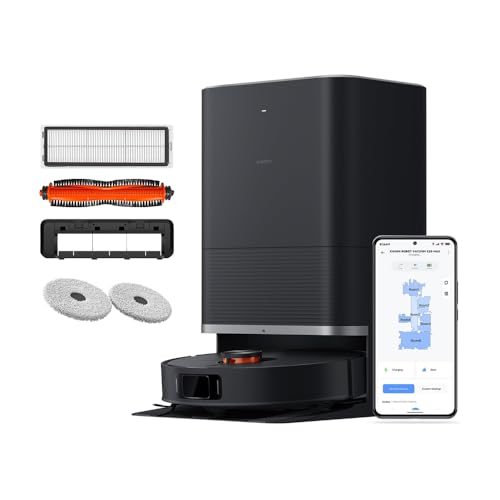
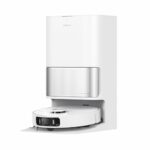
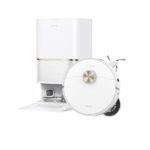
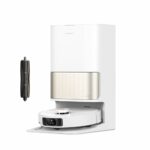
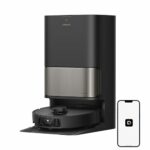
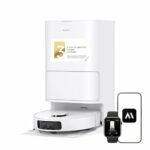
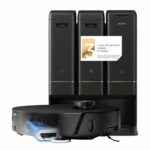
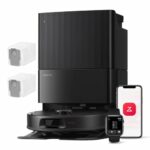
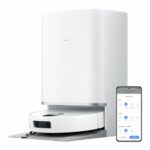
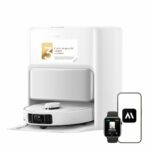
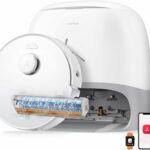
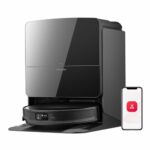
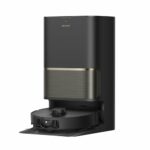
When choosing a robot vacuum in 2025, three models stand out in the mid-to-high range segment: the Mova E40 Ultra, the Dreame L10s Ultra Gen 2, and the Xiaomi X20 Max. All three feature multifunction bases with mop washing and drying capabilities, making them suitable for households seeking a comprehensive cleaning solution without constant manual intervention.
The Mova E40 Ultra arrives as the newest option, launched in 2025, whilst the Dreame L10s Ultra Gen 2 and Xiaomi X20 Max both debuted in 2024. These models share several design elements—including identical robot dimensions and similar base configurations—but differ significantly in suction power, battery runtime, and certain intelligent features. Understanding these distinctions helps identify which model suits specific home environments, whether that's a compact flat or a sprawling multi-storey property.
Power and suction
The Mova E40 Ultra establishes itself as the most powerful option with 19,000 Pa of suction—nearly double the Dreame L10s Ultra Gen 2's 10,000 Pa and significantly ahead of the Xiaomi X20 Max's 8,000 Pa. This difference becomes particularly relevant in homes with thick carpets, pet hair, or stubborn debris embedded in floor crevices.
Regarding brush systems, the Mova and Dreame both employ SimpliCut brushes designed to reduce hair tangles, whilst the Xiaomi relies on TriCut 3.0 technology combining bristles with cutting blades. The Mova E40 Ultra stands alone with an anti-tangle side brush, which helps prevent hair wrapping around the edge-cleaning component—a practical advantage for households with long-haired occupants or pets.
None of the three models feature elevating main brushes or side brushes during mopping, nor do they offer extendable side brushes for improved corner coverage. This means edge cleaning performance remains consistent across all three, relying on standard side brush configurations.
Mopping
All three robots utilise dual rotating mops, but their approach to edge cleaning differs. The Mova E40 Ultra and Dreame L10s Ultra Gen 2 incorporate Roboswing technology, allowing the robot to perform a slight swaying motion that pushes the mop slightly under furniture edges and skirting boards. The Xiaomi X20 Max extends its mops without this movement-based enhancement.
Mop elevation reaches 10.5 mm on the Mova and Dreame, whilst the Xiaomi lifts 10 mm—a marginal difference unlikely to affect real-world performance on most floor transitions or low-pile rugs. All three models mop with cold water and lack automatic mop removal at the base, meaning you'll need to manually detach the mops if you want a vacuum-only session.
The bases wash mops with hot water and dry them using warm air, which accelerates drying times and reduces odour development. However, none of these models detect dirt on mops or floors to trigger automatic rewashing or additional mopping passes. In practice, this means the cleaning intensity remains consistent regardless of how soiled an area might be.
Navigation system
Each robot employs LiDAR navigation combined with 3D laser sensors at the front for obstacle detection. This dual-sensor approach allows accurate room mapping and real-time avoidance of common household items.
The Mova E40 Ultra and Dreame L10s Ultra Gen 2 both recognise pets, which can be useful for scheduling cleaning when animals are in specific rooms or avoiding pet feeding areas. The Xiaomi X20 Max lacks this pet detection capability but compensates with LED night vision, enabling better obstacle recognition in dimly lit spaces—particularly helpful for evening or early morning cleaning sessions.
None of the three models include AI cameras or remote camera access, so you won't be able to view live video feeds through the app. They also don't detect curtains specifically, though their 3D sensors should prevent entanglement with most hanging fabrics.
Battery and runtime
All three robots house identical 5,200 mAh batteries, yet their runtime varies considerably. The Dreame L10s Ultra Gen 2 achieves 240 minutes of operation, the Mova E40 Ultra reaches 210 minutes, and the Xiaomi X20 Max manages just 120 minutes—half the Dreame's endurance.
This runtime disparity likely stems from the Mova's higher suction power consuming more energy, whilst the Xiaomi's shorter duration suggests less efficient power management or different operational modes. For larger properties exceeding 150 square metres, the Dreame's extended runtime reduces the likelihood of mid-clean recharging interruptions. Smaller homes or flats will find even the Xiaomi's 120 minutes sufficient for complete coverage.
Intelligent features
Each model can climb obstacles up to 20 mm high, allowing them to traverse typical door thresholds, thick rugs, and minor floor level changes without assistance. This climbing ability proves essential for multi-room cleaning without manual intervention.
All three robots support external voice assistants like Alexa and Google Home, enabling voice-activated cleaning commands and integration into broader smart home ecosystems. They also feature CleanGenius intelligent cleaning modes that adjust suction and mopping intensity based on detected floor types and dirt levels.
Multifunction base
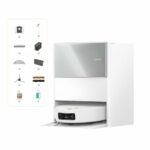
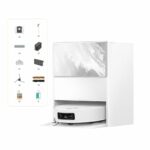
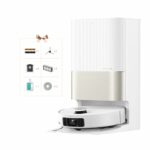
The three bases share core functionality: automatic dust emptying, hot water mop washing, and warm air mop drying. Where they diverge is in consumables capacity and optional features.
The Mova E40 Ultra and Dreame L10s Ultra Gen 2 accommodate 3.2-litre dust bags compared to the Xiaomi's 2.5-litre capacity—roughly 28% more debris storage before bag replacement becomes necessary. Their water tanks also hold more: 4.5 litres of clean water and 4 litres of dirty water versus Xiaomi's 4 litres clean and 3.8 litres dirty. For frequent mopping of larger floor areas, this extra capacity extends the interval between manual refills.
Detergent dispensing differs notably. The Dreame L10s Ultra Gen 2 includes a detergent tank as standard, automatically adding cleaning solution during mop washing. The Mova E40 Ultra offers this as an optional accessory purchased separately. The Xiaomi X20 Max doesn't provide a detergent tank at all, limiting mop cleaning to water only unless you manually add solution to the clean water reservoir.
The Dreame also offers an optional plumbing connection kit (sold separately) for users wanting to eliminate manual water tank management entirely. Neither the Mova nor Xiaomi provide this option. None of the three bases feature automatic tray cleaning, UV disinfection, or automatic mop replacement systems.
Dimensions
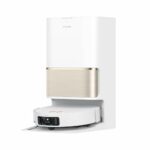
The robots themselves are identical in size: 350 mm diameter and 97 mm height. This low profile allows them to navigate beneath most sofas, beds, and cabinets with standard clearance.
Base dimensions reveal more variation. The Mova E40 Ultra and Dreame L10s Ultra Gen 2 share identical footprints at 340 mm wide, 590.5 mm tall, and 456.7 mm deep. The Xiaomi X20 Max's base measures the same width but stands shorter at 563 mm and occupies less depth at 420 mm—approximately 36 mm less deep, which might matter in tight utility cupboards or compact laundry areas.
Real-world usage
For larger homes, the Dreame L10s Ultra Gen 2's 240-minute runtime and substantial water tanks make it well-suited to extensive mopping sessions without interruption. The included detergent tank enhances mop cleaning effectiveness, whilst the optional plumbing kit appeals to those wanting minimal maintenance involvement.
The Mova E40 Ultra's exceptional 19,000 Pa suction excels in homes with pets, thick carpets, or heavy foot traffic where deep cleaning matters most. Its anti-tangle side brush reduces hair maintenance frequency, though the optional detergent tank represents an additional purchase consideration.
The Xiaomi X20 Max suits smaller properties where its 120-minute runtime suffices for complete coverage. The LED night vision benefits homes with pets or children where overnight cleaning is preferred, and its more compact base fits tighter spaces. However, the absence of a detergent tank and shorter runtime limit its appeal for larger or heavily soiled environments.
All three handle hard floors, tiles, and parquet effectively thanks to their rotating mops and hot water washing systems. The similar mop lift heights mean they manage low-pile rugs comparably, though you'll want to remove delicate or high-pile rugs before mopping regardless of which model you choose.
Conclusion: which to choose?
Choose the Mova E40 Ultra if maximum suction power is your priority—particularly valuable for homes with multiple pets, thick carpeting, or family members with allergies requiring thorough debris extraction. The anti-tangle side brush reduces maintenance time, and the generous dust bag capacity suits households generating substantial waste. Consider budgeting for the optional detergent tank to match the Dreame's mop cleaning capabilities.
Choose the Dreame L10s Ultra Gen 2 if you want the longest runtime combined with comprehensive features as standard. The included detergent tank and availability of a plumbing connection kit (though purchased separately) make this the most low-maintenance option for larger properties. Its 240-minute battery life handles extensive floor areas without recharging interruptions, whilst the 3.2-litre dust bag and ample water tanks reduce refill frequency.
Choose the Xiaomi X20 Max if you're working with a smaller home where 120 minutes covers your entire floor area comfortably. The LED night vision proves useful for households preferring overnight cleaning sessions, and the slightly more compact base fits restricted spaces better. This represents the most budget-conscious option amongst the three, though you'll sacrifice suction power, runtime, and detergent dispensing compared to its competitors.