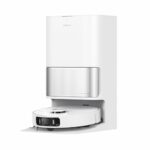
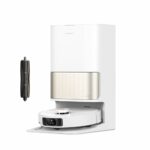
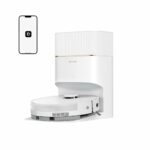
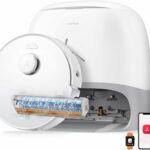
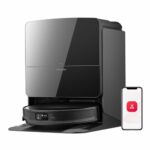
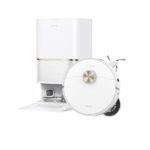
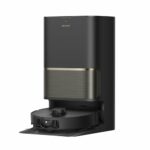
✨ VS Analyses · VacuumSpain comparison technology. Explanation created with AI from verified technical data.
Introduction
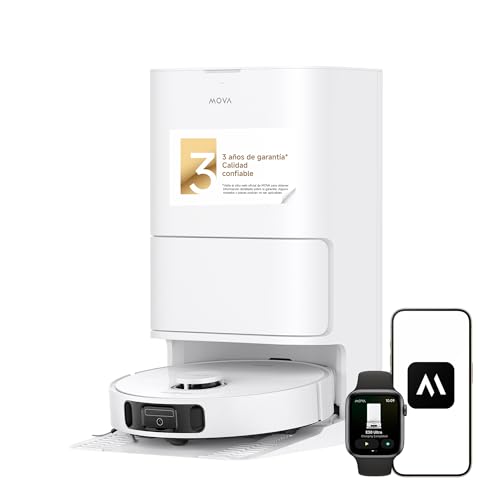
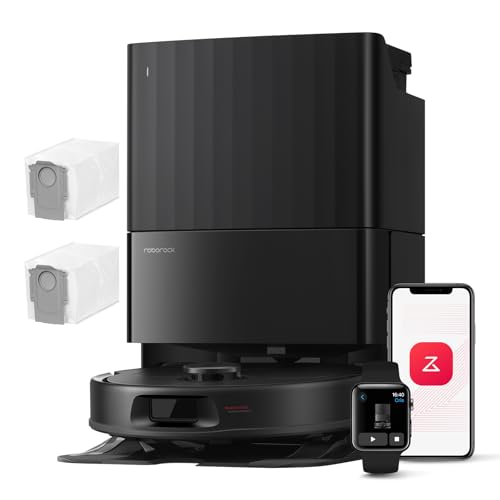
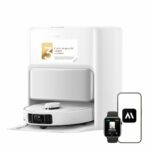
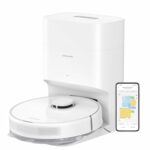
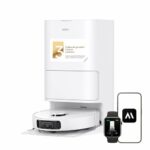
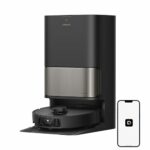
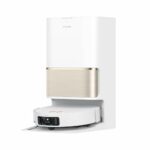
The Mova E30 Ultra and Roborock QV 35A represent two compelling approaches to automated home cleaning, both equipped with multifunctional bases that handle the full cleaning cycle. The Mova E30 Ultra arrived in 2024 as a solid mid-to-high range option, whilst the Roborock QV 35A launched in 2025 with refinements that build on the brand's reputation for reliability and performance.
Both models feature rotating dual mop systems and automatic emptying stations, making them suitable for homes seeking a genuinely hands-off cleaning experience. The differences between them, however, reveal distinct priorities in design and functionality that can significantly influence which robot aspirador better suits your specific needs.
Power and Suction
Suction performance distinguishes these two models immediately. The Roborock QV 35A generates 8,000 Pa of suction, providing a noticeable advantage over the Mova E30 Ultra's 7,000 Pa. In practical terms, this extra power helps with deeply embedded dirt in carpets and improves pick-up efficiency on textured flooring.
Both robots use a simple main brush design without anti-tangle features, which means households with long hair or pets might need to perform occasional maintenance. Neither model offers an elevating main brush during mopping, so the brush remains in contact with the floor throughout the cleaning cycle.
The side brush configuration reveals an interesting difference. The Roborock QV 35A incorporates anti-tangle technology in its side brush, reducing the frequency of hair wrap issues. The Mova E30 Ultra lacks this feature. Neither robot includes an extendable or elevating side brush, so corner coverage relies on the standard sweeping action. For homes with pets that shed heavily, the anti-tangle side brush on the Roborock can reduce maintenance time noticeably.
Mopping System
Both the Mova E30 Ultra and Roborock QV 35A use dual rotating mops, a system that provides consistent pressure and scrubbing action across hard floors. Neither extends its mops to reach edges more effectively, so skirting board cleaning relies on the robot's proximity to walls during its navigation pattern.
Mop lift capability differs marginally. The Mova raises its mops by 10.5 mm, whilst the Roborock manages 10 mm. This half-millimetre difference is unlikely to matter in real-world use, as both heights sufficiently protect low-pile rugs and prevent damp transfer onto carpeted areas.
The bases on both models wash the mops with cold water and dry them using cold air. Neither robot automatically detaches its mops at the base for vacuum-only sessions, so you'll need to remove them manually if you want to skip mopping. There's no soil detection system on either model to trigger additional cleaning passes on particularly dirty areas. In practice, this means the robots follow their programmed cleaning patterns without adapting to visible mess.
Navigation System
Navigation hardware takes a different approach on each robot aspirador. Both use a 3D LiDAR turret for mapping and obstacle avoidance, providing accurate room layouts and efficient path planning. However, the Mova E30 Ultra adds a frontal 3D laser sensor, enhancing its ability to detect low-lying objects and avoid collisions with furniture legs or scattered items.
The Mova also includes pet recognition, a feature absent on the Roborock QV 35A. This allows the Mova to identify animals and adjust its behaviour accordingly, potentially avoiding startled pets or adapting cleaning patterns around their presence. Neither robot includes a front-facing camera, LED lighting for low-light navigation, or remote camera access.
Both models feature intelligent cleaning systems: CleanGenius on the Mova and SmartPlan 1.0 on the Roborock. These systems optimise cleaning routes and manage battery usage, though neither offers AI-driven spot detection for targeted stain removal. The navigation differences suggest the Mova may handle cluttered environments slightly better, whilst the Roborock relies on its proven mapping algorithms and higher suction to compensate.
Battery and Autonomy
Battery capacity matches at 5,200 mAh for both robots, but the Roborock QV 35A specifies 180 minutes of runtime, whilst autonomy data for the Mova E30 Ultra isn't available. In practical terms, 180 minutes allows the Roborock to cover substantial floor areas in a single session, making it suitable for larger homes or open-plan layouts.
The Roborock also includes an 80 ml water tank on the robot itself, whilst the Mova E30 Ultra carries no onboard water reservoir. This means the Roborock can dampen its mops independently during cleaning, potentially extending mopping range between base visits. The Mova relies entirely on its base for mop wetting, which may result in more frequent returns during mopping cycles.
Both robots overcome obstacles up to 20 mm high, handling door thresholds and minor floor transitions without difficulty. This capability matters in homes with varied flooring levels or raised room dividers.
Smart Features
Neither the Mova E30 Ultra nor the Roborock QV 35A includes a robotic arm or proprietary voice assistant. Both support external voice control through Alexa and Google Home, allowing integration into existing smart home ecosystems.
The intelligent cleaning systems differ in implementation. The Mova's CleanGenius and Roborock's SmartPlan 1.0 both optimise routes and manage cleaning schedules, but the Mova's additional 3D laser sensor and pet recognition provide more environmental awareness. For households with pets or frequently changing floor layouts, these features can improve cleaning efficiency.
Multifunctional Base Station
Both bases handle the complete maintenance cycle: automatic dust emptying, mop washing with cold water, and cold air drying. Neither includes UV disinfection, detergent dispensers, or self-cleaning tray systems. There's no option for plumbing connection on either model, so you'll need to manually refill clean water and empty dirty water periodically.
Storage capacity differs meaningfully. The Mova E30 Ultra provides a 3.2-litre dust bag compared to 2.7 litres on the Roborock, potentially extending the interval between bag changes. Clean water capacity also favours the Mova at 4.5 litres versus 4 litres, whilst dirty water storage measures 4 litres on the Mova and 3.5 litres on the Roborock.
These differences matter for larger homes or those with heavy soiling. The Mova's larger reservoirs reduce maintenance frequency, whilst the Roborock's slightly smaller tanks may require more regular attention. The Roborock's 330 ml onboard dust bin marginally exceeds the Mova's 300 ml capacity, though both are sufficient for typical daily cleaning.
Dimensions
Physical size varies slightly between these robots. The Mova E30 Ultra measures 350 mm in diameter and stands 97 mm tall. The Roborock QV 35A is fractionally wider at 353 mm but sits half a millimetre lower at 96.5 mm. In practical terms, both robots fit under standard furniture, though the Roborock's marginally lower profile might squeeze beneath particularly low-clearance beds or sofas where the Mova cannot.
Base dimensions reveal more significant differences. The Mova base stands considerably taller at 590.5 mm compared to the Roborock's 521 mm, making it less suitable for placement under counters or in confined spaces. The Roborock base extends deeper at 487 mm versus the Mova's 456.7 mm, so you'll need to account for this when positioning it against walls. Both bases share the same 340 mm width.
The Mova's taller base accommodates its larger internal tanks, whilst the Roborock's lower profile improves aesthetic integration in visible locations. Consider your available floor space and storage preferences when evaluating these dimensions.
Real-World Use Experience
The Roborock QV 35A suits homes prioritising raw cleaning power and extended runtime. Its 8,000 Pa suction handles thick carpets and embedded debris more effectively, whilst the 180-minute autonomy covers expansive floor plans without interruption. The anti-tangle side brush reduces maintenance in homes with long-haired occupants or shedding pets. The onboard water tank extends mopping range, useful for larger hard floor areas.
The Mova E30 Ultra appeals to households with pets or complex layouts. Pet recognition and the additional 3D laser sensor improve navigation around animals and scattered objects. The larger base tanks mean less frequent refilling and emptying, beneficial for busy households or those who prefer minimal intervention. The taller base requires more vertical clearance but rewards this with extended maintenance intervals.
Both robots handle hard floors and low-pile carpets effectively, with their dual rotating mops providing consistent scrubbing action. Neither extends mops or includes heated water, so expect standard mopping performance rather than intensive stain removal. The cold air drying prevents odours adequately, though heated drying would speed the process.
Conclusion: Which to Choose?
Choose the Mova E30 Ultra if: you have pets and want recognition features that adapt to their presence, you value longer intervals between base maintenance thanks to larger water and dust storage, or your home has cluttered floors where the extra 3D sensor improves obstacle navigation. The taller base suits locations with vertical space to spare.
Choose the Roborock QV 35A if: you need maximum suction power for thick carpets or heavy debris, you want confirmed 180-minute runtime for large homes, the anti-tangle side brush appeals for reducing hair maintenance, or you prefer a lower-profile base that integrates more discreetly. The onboard water tank extends mopping coverage between base visits.
For households with multiple pets or frequently changing floor obstacles, the Mova's enhanced sensors justify its selection. For those prioritising cleaning performance and proven brand reliability, the Roborock delivers stronger suction and documented autonomy. Both represent capable robots with multifunctional bases, so your specific home layout and priorities should guide the final decision.