✨ VS Analyze · VacuumSpain comparison technology. AI-generated explanation based on verified technical data.
Introduction
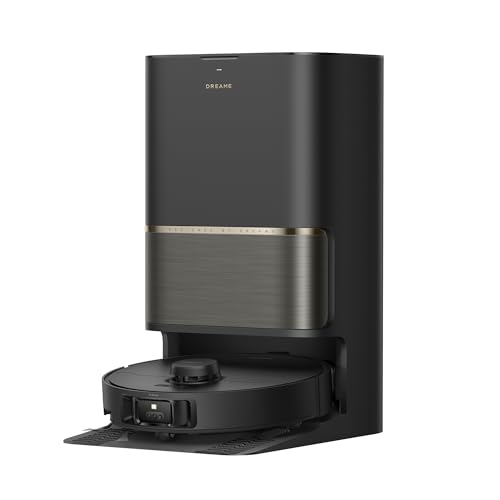
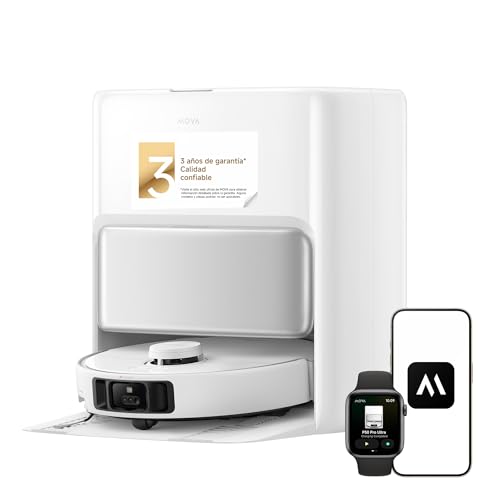
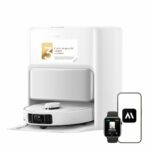
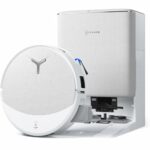
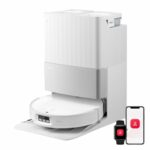
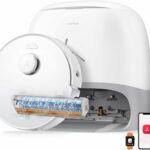
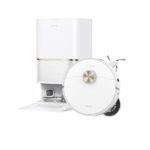
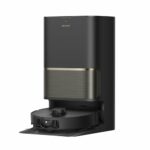
The Dreame L50s Pro Ultra and the Mova P50 Pro Ultra represent two closely related yet distinct approaches to high-end robotic cleaning. Whilst the Dreame model arrives in 2026 as the brand's latest flagship, the Mova P50 Pro Ultra launched in 2025 as part of Dreame's secondary brand line-up. Both models target households seeking comprehensive automated cleaning with minimal manual intervention, featuring multifunctional bases that handle everything from dust collection to mop washing and drying.
These aren't entry-level machines. They're designed for users who want powerful suction, intelligent navigation, and genuinely effective mopping—not just token wet wiping. The specifications suggest suitability for medium to large homes with mixed flooring types, pets, and the kind of daily mess that demands consistent, thorough cleaning without constant supervision.
Power and Suction
The suction gap here is substantial. The Dreame L50s Pro Ultra generates 30,000 Pa, which positions it amongst the most powerful robot aspirators available. The Mova P50 Pro Ultra offers 19,000 Pa—still respectable, but noticeably less aggressive when dealing with embedded dirt in carpets or stubborn debris in grouted tiles.
In practice, this difference becomes most apparent on medium-pile rugs and in homes with pets. Higher suction doesn't just mean cleaner floors; it means fewer repeat passes and better performance as filters age and airflow naturally diminishes over time.
The brush systems differ fundamentally. Dreame's dual HyperStream design uses two independently anchored brushes that actively resist hair tangles—a genuine advantage for households with long hair or shedding pets. Mova's TriCut 3.0 combines bristles with integrated cutting blades to slice through tangled hair, which works well but requires occasional manual cleaning of the blades themselves.
Both models raise their main brushes during mopping and feature side brushes that extend for corners and lift when mopping begins. Anti-tangle technology appears on both side brushes, which helps maintain consistent edge cleaning without constant maintenance.
Mopping Performance
Mopping specifications are nearly identical. Both use dual rotating mops that extend to reach edges and employ a swinging motion (RoboSwing) to push slightly under furniture lips and skirting boards. Mop elevation reaches 10.5 mm on both models, enough to clear most low-pile rugs without dragging wet fabric across them.
Water temperature for floor mopping remains cold on both machines, though their bases wash the mops with hot water. This matters because hot water dissolves grease and grime more effectively during the mid-clean rinses that keep mops fresh throughout a cleaning session. Both bases also dry the mops with heated air, which prevents mildew and odours between uses.
Dirt detection works on two levels: sensors monitor mop cleanliness and trigger additional rinses when needed, whilst floor sensors identify particularly dirty patches and automatically re-mop those areas. The mops detach automatically at the base when you schedule vacuum-only sessions, so you needn't manually remove them for carpet-only cleaning.
Navigation System
Both models navigate using 3D LiDAR towers combined with dual front-facing AI cameras and 3D laser sensors. This triple-layer approach maps spaces accurately, avoids obstacles in real-time, and recognises specific objects to adjust cleaning behaviour accordingly.
The Dreame L50s Pro Ultra identifies 220 distinct obstacle types, whilst the Mova P50 Pro Ultra recognises 160. That's 60 additional objects—potentially including more furniture styles, shoe types, cable configurations, or pet accessories. For most homes, 160 objects proves sufficient, but the expanded library may reduce the occasional collision or stuck-robot incident in unusually cluttered spaces.
Both recognise pets and curtains specifically, adjusting suction or avoiding delicate fabrics as needed. LED lighting enables navigation in darkness, and remote camera access lets you check on spaces or pets whilst away. The CleanGenius AI system on both models learns your home's dirtiest zones and adjusts cleaning intensity automatically over time.
Battery and Autonomy
Battery capacity matches at 5,200 mAh for both robots. The Mova P50 Pro Ultra specifies 210 minutes of runtime, though Dreame hasn't published equivalent figures for the L50s Pro Ultra. Given identical battery capacity, similar runtime seems likely unless the higher suction power drains the Dreame model faster—which it probably does when operating at maximum power.
In real-world use, both should handle large homes comfortably, automatically returning to base for recharging and resuming where they left off if needed. The lack of specific runtime data for the Dreame model doesn't suggest a problem; it's simply unpublished at this stage.
Smart Features
Obstacle-climbing capability differs noticeably. The Dreame L50s Pro Ultra manages complex obstacles up to 40 mm high, whilst the Mova handles 22 mm steps. That extra 18 mm means the Dreame can mount taller door thresholds, thick rugs, and uneven transitions between rooms without assistance. If your home features varied flooring levels or chunky entrance mats, this becomes a practical advantage rather than a spec-sheet novelty.
Both models include onboard voice assistants and integrate with Alexa and Google Home for external voice control. Neither employs a robotic arm for additional functionality, keeping the focus squarely on core vacuuming and mopping performance.
Multifunctional Base Station
The bases handle identical core functions: auto-emptying dust into 3.2-litre bags, washing mops with hot water, drying them with heated air, and third-generation self-cleaning of the wash tray. Both include detergent dispensers and lack UV disinfection or automatic mop-changing systems.
Tank sizes differ slightly. Dreame's base holds 4.5 litres of clean water and 4 litres of dirty water; Mova's carries 4 litres clean and 3.5 litres dirty. The Dreame's extra half-litre of clean water extends the interval between refills, which matters more in larger homes or when mopping frequently.
Dreame offers an optional plumbing connection kit (purchased separately) that allows permanent water supply and drainage, eliminating manual tank maintenance entirely. Mova doesn't provide this option. For most users, manual tank filling proves perfectly manageable, but if you're aiming for truly hands-off operation over weeks or months, the plumbing option—even as an aftermarket purchase—adds genuine convenience.
Dimensions and Footprint
Both robots measure 350 mm in diameter and 103.8 mm tall, so they'll fit under the same furniture and navigate identical spaces. The dust bin inside the Mova robot holds 300 ml versus Dreame's 250 ml—a minor difference that rarely affects real-world operation since both auto-empty regularly. Water tanks on both robots hold 80 ml, sufficient for the onboard supply between base visits.
Base dimensions diverge more noticeably. Dreame's station stands 590 mm tall but only 340 mm wide, creating a narrow, vertical profile. Mova's base measures 470 mm tall and 420 mm wide—shorter but broader. Depth remains nearly identical at 457–458 mm.
If floor space is tight, Dreame's narrower footprint may fit better alongside furniture or in alcoves. If overhead clearance is limited—under shelving or in low cupboards—Mova's shorter height could prove advantageous. Neither base is small, so plan placement carefully regardless of which model you choose.
Real-World Experience
For homes with pets, the Dreame L50s Pro Ultra's dual HyperStream brush and higher suction offer tangible benefits. Hair pickup improves, and maintenance intervals lengthen because the brush design actively resists tangling. The Mova P50 Pro Ultra handles pet hair competently with its TriCut system, but you'll likely spend a few extra minutes each fortnight clearing wrapped hair from the blades.
Larger homes benefit from Dreame's bigger water tanks and superior obstacle recognition, reducing the frequency of manual intervention. The 40 mm climbing ability also means fewer stuck incidents if your home features varied floor levels or thick rugs.
Smaller flats or homes with simpler layouts won't fully exploit the Dreame's advantages. The Mova P50 Pro Ultra delivers excellent cleaning performance in straightforward environments, and its slightly larger robot dust bin means fractionally less frequent auto-emptying—though this rarely matters in practice given how often both models return to base anyway.
Both models excel on hard floors and handle mopping with genuine effectiveness thanks to hot-water mop washing and heated drying. Carpet performance favours the Dreame due to higher suction, but the Mova remains more than adequate for low and medium-pile carpets.
Conclusion: Which to Choose?
Choose the Dreame L50s Pro Ultra if: you've got a larger home with multiple floor types, pets that shed heavily, or challenging thresholds and transitions between rooms. The extra suction power, superior obstacle recognition, larger water tanks, and potential for plumbing connection justify the investment if you're seeking the most capable and hands-off cleaning experience available. The narrower base also suits tighter installation spaces.
Choose the Mova P50 Pro Ultra if: you want excellent cleaning performance at a potentially lower cost, your home features standard floor transitions, and you're comfortable with slightly more frequent tank refills. The TriCut brush handles pet hair well, and the broader, shorter base may fit better under shelving or in cupboards with limited vertical clearance. It's a thoroughly capable robot aspirator that sacrifices little in day-to-day performance.
Both represent serious investment in automated cleaning. The Dreame pushes boundaries with raw power and advanced features; the Mova delivers the same core experience with minor compromises that most households won't notice daily. Your choice ultimately depends on home complexity, pet load, and whether you value maximum capability or excellent performance at a more accessible price point.