✨ VS Analyses · VacuumSpain comparison technology. Explanation created with AI from verified technical data.
Introduction
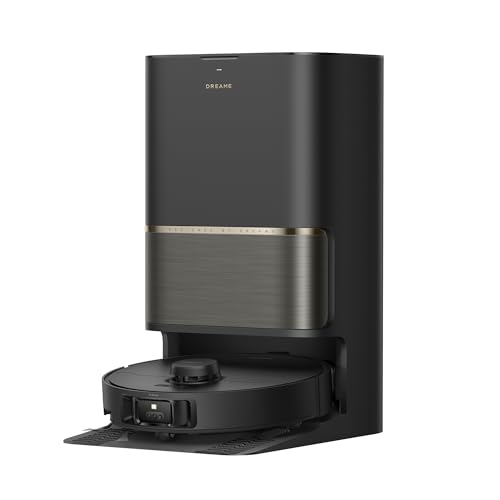
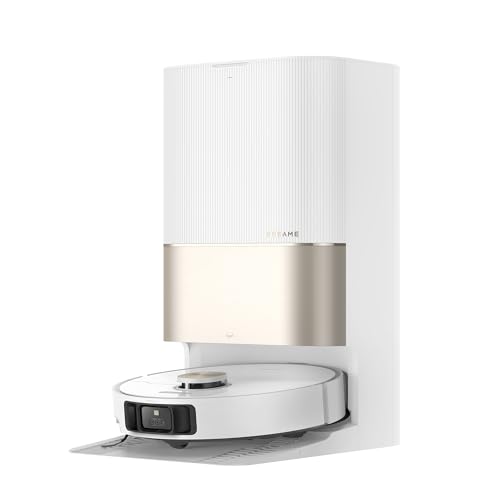
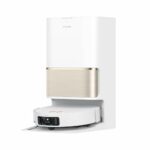
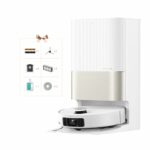
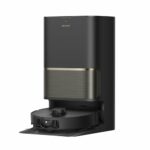
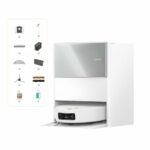
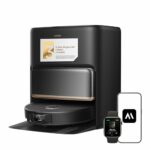
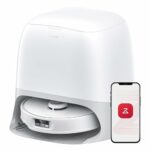
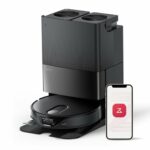
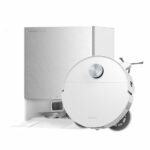
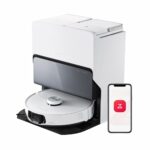
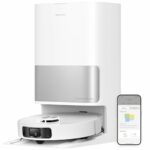
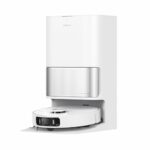
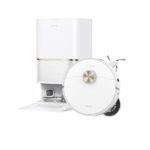
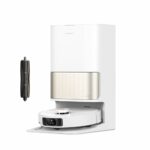
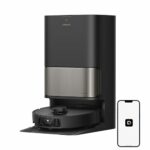
The Dreame L50s Pro Ultra arrives in 2026 as the manufacturer's latest flagship, whilst the Dreame X40 Ultra has been on the market since 2024. Both are high-end models equipped with multifunctional bases that handle everything from self-emptying to mop washing and drying. These aren't entry-level devices; they're designed for users who want a comprehensive cleaning solution with minimal manual intervention.
What sets them apart isn't immediately obvious at first glance. Both share the same dual rotating mop system, mop extension capabilities, and similar base configurations. However, the newer L50s Pro Ultra introduces several meaningful upgrades that address some of the limitations found in the X40 Ultra, particularly in suction power and obstacle recognition.
Suction Power and Brushing
The suction power difference is substantial. Whilst the X40 Ultra's 12,000 Pa proved adequate for most households, the L50s Pro Ultra's 30,000 Pa represents a significant leap forward. In practical terms, this translates to better performance on carpets and more effective deep cleaning of hard floors where fine dust tends to settle in grout lines or textured surfaces.
The brush configuration tells an interesting story. The X40 Ultra uses a traditional single brush design, which works well enough for daily maintenance. The L50s Pro Ultra switches to a dual brush system with HyperStream technology. This design features two brushes anchored at one end, specifically engineered to prevent hair tangling—a common frustration for households with long-haired occupants or pets.
Both models lift their main brush during mopping and feature extendable side brushes that reach into corners more effectively. The side brushes also elevate during wet cleaning to avoid dragging dirt across freshly mopped areas. These are features you'd expect in premium models, and both deliver here.
Mopping Performance
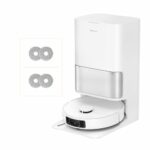
The mopping systems are virtually identical. Both use dual rotating mops that extend outwards to reach edges and include the RoboSwing feature, which allows the robot to angle slightly and push the mop under furniture edges and kickboards.
Mop lift reaches 10.5 mm on both models, sufficient for low-pile rugs but not thick carpets. When the robot detects carpeting, it raises the mops to prevent wetting. Both can automatically remove their mops at the base station when you only want vacuuming, which saves wear on the mopping pads.
The bases wash mops with hot water and dry them using warm air, helping prevent odours and bacterial growth. Dirt detection works during both floor cleaning and mop washing—if the sensors detect remaining soil, the robot will make additional passes or rewash the mops. Both models include detergent dispensers that add cleaning solution during the mop washing cycle.
The L50s Pro Ultra does feature third-generation base self-cleaning compared to the second-generation system in the X40 Ultra. Whilst Dreame hasn't detailed every improvement, newer iterations typically offer better water distribution and more thorough rinsing of internal components.
Navigation System
Both robots use 3D LiDAR turrets for mapping and dual AI cameras for obstacle recognition. They share the same sensor suite: frontal 3D laser sensors, LED lighting for low-light operation, and remote camera access through the app.
The meaningful difference lies in recognition capability. The X40 Ultra identifies 120 different obstacle types, which covers most household items. The L50s Pro Ultra extends this to 220 objects. This expanded library means better decision-making when encountering unusual items—children's toys, charging cables, pet bowls, or items left on the floor temporarily.
Both detect pets and curtains specifically, adjusting their cleaning approach accordingly. The CleanGenius AI system appears on both models, using machine learning to optimise cleaning patterns based on room type and observed dirt levels.
Battery and Autonomy
Battery specifications reveal an interesting trade-off. The X40 Ultra carries a larger 6,400 mAh battery and manages 194 minutes of runtime. The L50s Pro Ultra uses a 5,200 mAh battery, though Dreame hasn't published runtime figures yet.
The smaller battery likely compensates for the increased power demands of the 30,000 Pa suction motor. In practical use, both models handle typical homes without issue—they'll return to base for recharging and resume cleaning automatically if needed. The higher capacity on the X40 Ultra might offer a slight edge in very large properties, though this advantage diminishes if you're not running maximum suction constantly.
Smart Features
Obstacle clearance differs slightly. The X40 Ultra climbs obstacles up to 22 mm, whilst the L50s Pro Ultra handles single-step obstacles—Dreame hasn't specified the exact height, though it's likely similar given the comparable chassis design.
The L50s Pro Ultra introduces its own voice assistant, allowing direct voice commands to the robot without routing through Alexa or Google Assistant. Both models support external voice assistants as well, so you're not limited to one approach.
Multifunctional Base Station
The base stations share the same fundamental design: 3.2-litre dust bags, 4.5-litre clean water tanks, and 4-litre dirty water tanks. These capacities support several weeks of autonomous operation in average-sized homes before requiring attention.
Both bases wash mops with hot water and dry them using warm air. They include detergent dispensers and offer optional connection kits for plumbing integration, though these kits are sold separately and aren't included as standard. The plumbing kit eliminates manual water tank filling and emptying, but it's worth noting this requires installation and isn't a plug-and-play solution.
Neither model includes UV disinfection or automatic mop changing systems—features occasionally found on competing ultra-premium models.
Physical Dimensions
Both robots measure 350 mm in diameter, standard for this category. Height differs: the X40 Ultra stands 97 mm tall, whilst the L50s Pro Ultra measures 103.8 mm. That 6.8 mm difference might matter if you have furniture with particularly tight clearances. The X40 Ultra will squeeze under slightly lower sofas or bed frames.
Base station dimensions are nearly identical—around 340 mm wide, 590 mm tall, and 456-457 mm deep. You'll need roughly half a square metre of floor space, preferably near a power outlet and in a location the robot can easily access.
Real-World Usage Considerations
For larger homes, the L50s Pro Ultra's superior suction makes a noticeable difference, particularly on carpets or in high-traffic areas where dirt accumulates quickly. The dual brush system proves valuable in households with pets or family members with long hair—less time spent cutting tangled hair from brushes means genuinely lower maintenance.
The X40 Ultra remains highly capable for smaller to medium-sized homes, especially those primarily featuring hard flooring. Its slightly lower profile helps it navigate under more furniture, and the larger battery provides extended runtime that may prove useful in open-plan layouts.
Both models handle the complete cleaning cycle autonomously: vacuuming, mopping, returning to wash mops mid-clean, self-emptying, and mop drying. For users wanting minimal involvement, either model delivers. The expanded obstacle recognition on the L50s Pro Ultra does reduce the need to "robot-proof" your home before each clean—it's simply better at navigating around everyday clutter.
Conclusion: Which to Choose?
Choose the Dreame L50s Pro Ultra if you want the latest technology and maximum suction power. It's the better choice for homes with thick carpets, multiple pets, or family members with long hair. The enhanced obstacle recognition means less pre-cleaning preparation, and the third-generation base self-cleaning should prove more reliable over time. If you're buying new in 2026, the improvements justify choosing this over the older model.
Choose the Dreame X40 Ultra if you find it at a significant discount compared to the newer model. It remains an excellent robot aspirador with comprehensive features, and the slightly lower profile helps it access tight spaces more easily. For predominantly hard-floor homes without heavy pet hair challenges, the performance difference may not justify the price premium of the newer model. The larger battery also provides a runtime advantage that matters in expansive properties.