✨ VS Analyses · VacuumSpain comparison technology. Explanation created with AI from verified technical data.
Introduction
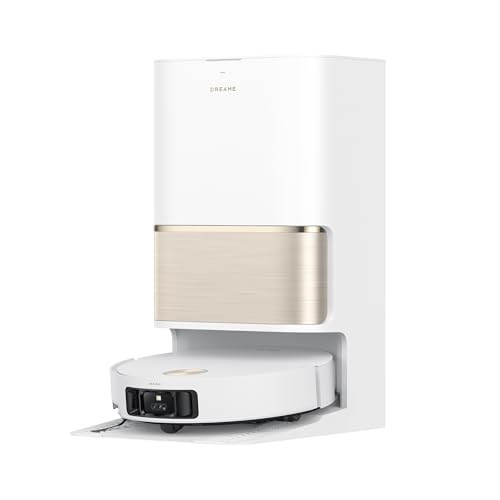
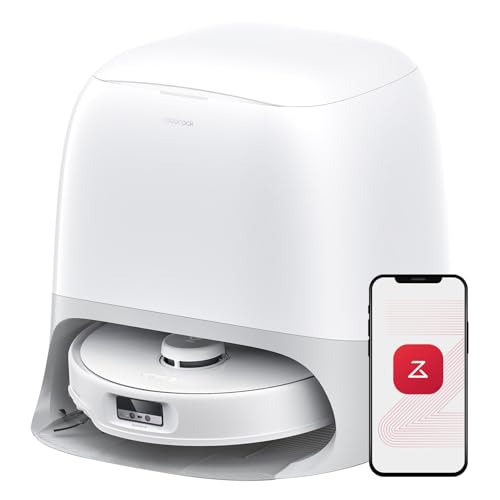
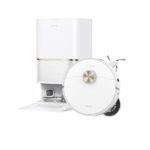
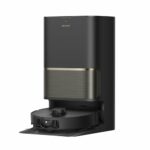
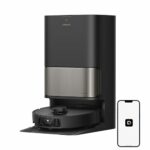
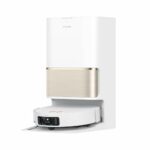
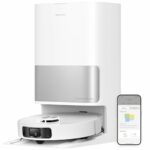
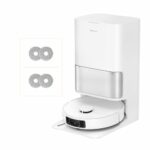
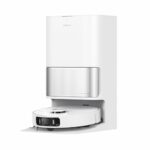
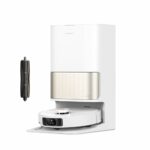
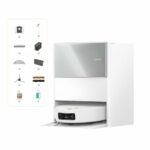
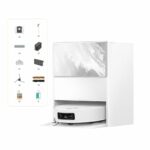
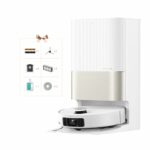
The Dreame L50 Pro Ultra and the Roborock Qrevo Curv are two premium options in today’s robot vacuum market with multifunctional docking stations. The former arrives as a new model for 2025, while the Qrevo Curv was launched in 2024. Both feature advanced navigation technology, intelligent mopping and docks that wash the mop pads with hot water and dry them with warm air.
These models are designed for users seeking complete automation of their home cleaning. Both incorporate laser navigation systems, AI-powered cameras and the ability to negotiate obstacles autonomously. The main differences lie in certain technical and functional details that may influence the decision depending on the type of home and each user’s specific requirements.
Suction power and vacuuming
Suction power gives the Dreame robot vacuum a slight advantage, reaching 19,500 Pa in Turbo mode compared with the Roborock Qrevo Curv’s 18,500 Pa. In practice, both figures are more than sufficient for medium-pile carpets and hard floors with stuck-on dirt, although the difference may be noticeable on deep-pile carpets or in homes with heavily shedding pets.
The brushing systems also have some interesting differences. The Dreame L50 Pro Ultra uses a dual anti-tangle brush, while the Roborock Qrevo Curv is equipped with the DuoDivide anti-tangle system. Both are designed to minimise hair tangles, making them particularly useful in homes with long-haired dogs or cats. Both models can lift their main brush while mopping, preventing it from becoming wet and dragging dirt across hard floors.
A clearer difference appears in the side brush. The Dreame can lift its side brush while mopping, whereas the Roborock cannot. This prevents the Dreame’s side brush from dragging dirty water across the floor and helps improve the final result. Both models feature an extendable side brush for better corner coverage and anti-tangle technology.
Mopping
The mopping system is one of the strengths of this robot vacuum comparison. Both models use two rotating mop pads that spin at high speed to remove stubborn stains. The Roborock Qrevo Curv can lift its mop pads between 10 and 20 mm, a greater range than the Dreame L50 Pro Ultra’s 10.5 mm. This is particularly useful when crossing carpets or travelling without mopping.
The Dreame L50 Pro Ultra features a mop extension system with RoboSwing 3.0 technology, which uses sideways movements to push the mop beneath furniture and overhanging sections. The Roborock also extends its mop pads using the FlexiArm system, designed to improve cleaning along edges and in corners.
Both wash their mop pads with hot water at 75°C during cleaning and dry them at 45°C afterwards, helping prevent unpleasant odours and bacterial growth. Both also detect dirt on the mop pads and floor, adjusting the mopping intensity when necessary. However, the Dreame can leave its mop pads at the dock when vacuum-only cleaning is required, a feature the Roborock does not provide.
Navigation system
The Dreame L50 Pro Ultra uses a retractable laser navigation system, while the Roborock Qrevo Curv employs a three-axis laser turret. Both integrate dual AI-powered cameras and front-facing 3D laser sensors to detect obstacles accurately.
The most notable difference is their object-recognition capability. The Roborock robot vacuum identifies up to 62 types of obstacles, which is a respectable figure. However, the Dreame L50 Pro Ultra increases this to 180 recognisable objects, significantly expanding its ability to avoid common household items without user intervention.
The Dreame also detects curtains, preventing it from becoming tangled in them during cleaning. The Roborock does not include this specific feature. Both recognise pets, provide remote access to the camera through the app and feature LED lighting for night vision.
For AI-assisted cleaning, the Dreame uses CleanGenius AI with an AI Sage 13.0 Octa-Core processor, while the Roborock employs SmartPlan 2.0 with the RR Mason 11.0 algorithm. The Dreame also adds AI stain recognition, allowing it to identify particularly dirty areas and respond accordingly.
Runtime and battery
Both robots have 6,400 mAh batteries, but their performance differs. The Roborock Qrevo Curv offers up to 240 minutes of runtime, compared with 200 minutes for the Dreame L50 Pro Ultra. This 40-minute difference may prove important in very large or multi-storey homes.
For homes of up to approximately 150–180 square metres, the Dreame’s 200-minute runtime should generally be sufficient to complete a full cleaning cycle without recharging. If the floor area is larger or the home contains many carpets that increase power consumption, the Roborock’s longer runtime becomes a practical advantage.
Smart features
The obstacle-crossing capabilities also present interesting differences. The Dreame L50 Pro Ultra can negotiate obstacles between 22 and 40 mm using a system of additional liftable wheels, while the Roborock Qrevo Curv handles obstacles between 30 and 40 mm. In homes with thick carpets, door tracks or changes in floor level, this feature is important for preventing the robot from becoming stuck.
Both include a basic built-in voice assistant, allowing simple commands without requiring Alexa or Google Assistant, although they are also compatible with these external systems.
Multifunctional cleaning dock
The multifunctional docks supplied with both models automatically empty the robot’s dustbin and wash and dry the mop pads using hot water and warm air. The Dreame L50 Pro Ultra features a third-generation self-cleaning wash tray, while the Roborock uses its 2.0 system. In practice, this may allow longer intervals between manual maintenance on the Dreame.
One relevant difference is the detergent tank built into the Dreame dock, which is absent from the Roborock. This allows the Dreame to dispense cleaning solution automatically when washing the mop pads, improving hygiene without manual intervention.
The Dreame also offers an optional plumbing connection kit for automatically filling and draining the water tanks. This accessory is sold separately but may be useful for users seeking the highest possible level of automation.
The Dreame’s dust bag holds 3.2 litres, compared with 2.5 litres in the Roborock. Its clean-water tank holds 4.5 litres compared with the Roborock’s 4 litres, while the dirty-water tank offers 4 litres compared with 3 litres. These differences mean the Dreame requires less frequent emptying and refilling, which may be valuable in large homes or under intensive use.
Dimensions
The diameter of both robots is almost identical: 350 mm for the Dreame and 352 mm for the Roborock. The most significant difference is their height. The Dreame L50 Pro Ultra is 89 mm tall, while the Roborock Qrevo Curv measures 103 mm. Those additional 14 millimetres may determine whether the robot can fit beneath low furniture, sofas or beds. The Dreame can access confined spaces more easily.
The robot’s internal dustbin also differs: 395 ml in the Dreame compared with 325 ml in the Roborock. Both have an 80 ml onboard water tank.
The docks have different dimensions. The Dreame dock measures 340 mm wide, 590.5 mm high and 456.7 mm deep. The Roborock dock has a squarer design, measuring 450 mm in width, height and depth. It is worth measuring the available space before choosing, particularly if the dock will be placed inside a cabinet or a specific recess.
Real-world use
In medium-sized homes of up to 150 square metres, both robots deliver excellent performance. The Dreame L50 Pro Ultra is particularly interesting when there is low furniture or when minimal maintenance is a priority, thanks to its larger water tanks and dust bag.
For homes with pets, both models include anti-tangle brushes and enough suction to collect hair from carpets. The Dreame’s broader object-recognition capability may prevent problems with pet toys or cables, while its higher suction figure can help on deep-pile carpets.
If the home contains many carpets or changes in floor level, the Dreame’s ability to lift its side brush while mopping and its obstacle-crossing range starting at 22 mm are useful advantages. With its longer runtime, the Roborock is better suited to spacious homes where completing the entire clean without recharging is important.
The hot-water washing and warm-air drying of the mop pads provide hygienic results on hard floors and parquet with both models. Their extendable mop pads noticeably improve cleaning along edges and in corners. The Dreame’s ability to leave the mop pads at the dock adds convenience when vacuum-only cleaning is required.
Conclusion: which should you choose?
Choose the Dreame L50 Pro Ultra if you want a robot with particularly extensive object-recognition capabilities, need it to fit beneath low furniture thanks to its 89 mm height, value an integrated detergent tank or prefer larger water tanks and dust bag. It is also the better choice if you are interested in an optional plumbing connection and want the robot to leave its mop pads at the dock during vacuum-only cleaning. Its 19,500 Pa suction figure and AI stain recognition make it a comprehensive, technologically advanced option for 2025.
Choose the Roborock Qrevo Curv if you have a large home where its 240-minute runtime makes a difference, the robot’s height is not a limitation or you prefer Roborock’s established reputation. Its wider mop-lifting range of up to 20 mm is useful in homes with thick carpets. The squarer dock may fit better in certain spaces, and its overall performance remains excellent for most users seeking one of the best robot vacuums of 2025.
Ultimately, this comparison presents two high-end robot vacuums with subtle but relevant differences depending on each user’s priorities. Both provide high-quality automated cleaning, intelligent mopping and minimal maintenance.