✨ VS Analyses · VacuumSpain comparison technology. Explanation created with AI from verified technical data.
Introduction
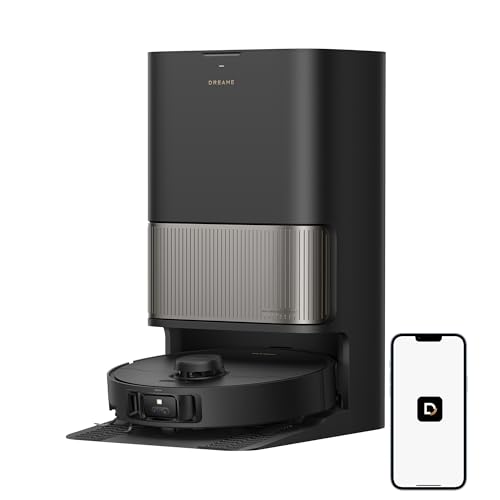
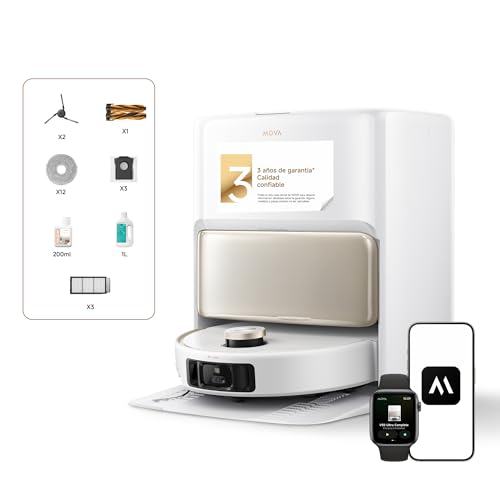
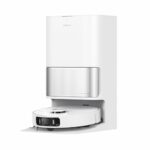
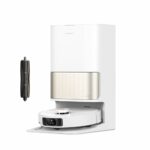
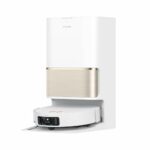
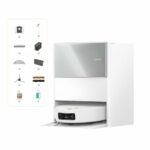
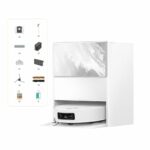
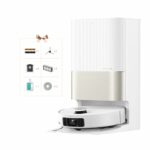
The Dreame L40s Pro Ultra and Mova V50 Ultra represent two premium robot vacuum cleaners launched in 2025, both designed to deliver comprehensive cleaning with minimal user intervention. Whilst Dreame has established itself as a competitive manufacturer offering advanced features at accessible price points, Mova operates as its sister brand, sharing much of the same technological foundation. Both models feature multifunctional bases that handle mop washing and drying alongside automatic dust emptying, making them suitable for users seeking a genuinely hands-off cleaning experience.
These robots target homeowners with medium to large properties who want powerful suction combined with effective mopping capabilities. The presence of dual rotating mops, AI-powered navigation, and self-maintaining bases positions them as high-end solutions for those tired of manual floor cleaning.
Power and Suction
Suction performance shows a clear advantage for the Mova V50 Ultra, which reaches 24,000 Pa against the Dreame's 19,000 Pa. This difference becomes particularly noticeable when dealing with embedded dirt in carpets or fine dust particles that settle into textured flooring. The extra power provides more aggressive pickup, especially useful in homes with pets or high foot traffic.
Both models employ dual-brush systems designed to minimise hair tangles. The Dreame uses its HyperStream configuration whilst the Mova features an anti-tangle design. These dual-brush setups anchor at one end, creating a gap that helps prevent long hair from wrapping around the roller—a significant improvement over traditional single-brush designs that require frequent manual cleaning.
Each robot can elevate its main brush during mopping to prevent cross-contamination between dry and wet cleaning modes. The side brushes also lift and extend, helping them sweep right into corners without scattering debris during the mopping phase. This coordinated lifting prevents the common problem of wet dust being dragged across freshly mopped floors.
Mopping Performance
The mopping systems share many characteristics: dual rotating mops that extend to reach edges, combined with movement that pushes the mop slightly under furniture overhangs. Both lift their mops 10.5 mm when encountering carpets or rugs, sufficient clearance to avoid wetting most low-pile floor coverings.
Where they diverge is in water temperature. The Mova V50 Ultra heats mopping water to 55°C, which helps dissolve grease and sticky residues more effectively than cold water alone. The Dreame L40s Pro Ultra relies on cold water for floor cleaning, though it does heat water for washing the mops at the base.
Both bases wash the mops with hot water—a crucial feature that removes grime from the pads rather than simply rinsing them. After washing, hot air drying prevents the bacterial growth and musty odours that plague robots with cold-air or passive drying systems. The mops can also be automatically removed at the base when you want the robot to vacuum only, avoiding the need to manually detach components.
Dirt detection works on two levels: sensors monitor both the mops themselves and the floor surface, triggering additional cleaning passes or mop washing cycles when excessive soiling is detected. This adaptive approach means heavily soiled areas receive more attention without requiring manual intervention.
Navigation System
Navigation technology differs in implementation but delivers comparable results. The Dreame L40s Pro Ultra uses a traditional 3D LiDAR turret that protrudes from the top surface, whilst the Mova V50 Ultra employs a retractable LiDAR system. The retractable design contributes to the Mova's lower profile, though the practical difference in furniture clearance is minimal given the overall height difference.
Both models incorporate dual AI cameras working alongside 3D laser sensors to identify and avoid obstacles. The Mova recognises 200 different object types compared to 180 on the Dreame—a marginal difference unlikely to affect real-world performance significantly. Pet recognition, curtain detection, and LED-assisted night vision feature on both, as does remote camera access for monitoring your home whilst away.
The CleanGenius AI system operates identically on both robots, analysing room layouts and dirt patterns to optimise cleaning routes and suction intensity automatically. This intelligence extends to stain recognition, where cameras identify marks on the floor and trigger concentrated cleaning in those specific spots.
Battery and Autonomy
The Mova V50 Ultra packs a 6,400 mAh battery against the Dreame's 5,200 mAh capacity. Interestingly, both manufacturers claim identical 220-minute runtime figures, suggesting the Mova's higher suction power draws more energy per minute. In practice, both should comfortably handle homes up to 250 square metres on a single charge, with the robot returning to base for recharging if needed before resuming cleaning.
Neither manufacturer specifies charging duration, though batteries of this capacity typically require three to four hours for a full charge. The practical impact of the battery difference emerges mainly during intensive cleaning sessions where maximum suction runs continuously—scenarios where the Mova's larger cell provides a buffer despite its higher power consumption.
Smart Features
Both robots navigate obstacles up to 20 mm high, stepping over common thresholds, carpet edges, and minor floor transitions without getting stuck. This capability means they can move freely between rooms with different flooring types without requiring intervention.
Each model includes a built-in voice assistant alongside compatibility with external systems like Alexa and Google Home. The proprietary assistants allow direct communication with the robot without relying on internet connectivity or smart home ecosystems, useful for basic commands when network access is unavailable.
Multifunctional Base Station
The base stations handle dust collection into 3.2-litre bags, mop washing with hot water, and hot-air drying. Third-generation self-cleaning systems maintain the washing tray itself, scrubbing and rinsing the base components to prevent odour buildup—a feature that distinguishes these from earlier models requiring manual base maintenance.
The Mova V50 Ultra adds UV disinfection to the base cleaning process, exposing components to ultraviolet light that kills bacteria and moulds. Whilst hot water and hot air already provide substantial sanitisation, the UV system offers an additional layer of hygiene.
Detergent dispensing differs between models. The Dreame features a single detergent reservoir, whilst the Mova incorporates dual tanks. This dual-tank design potentially allows separate solutions for different cleaning tasks or floor types, though both systems automatically dose cleaning solution during mop washing.
Water tank capacities vary slightly: the Dreame holds 4.5 litres of clean water and 4 litres of dirty water, compared to 4 litres clean and 3.5 litres dirty on the Mova. These differences have minimal practical impact, as both provide sufficient capacity for cleaning large homes before requiring refills.
The Dreame L40s Pro Ultra offers an optional plumbing connection kit, purchased separately, that allows automatic water refilling and drainage. The Mova V50 Ultra doesn't support this option. For most users, manual tank management remains perfectly manageable, but the plumbing option appeals to those seeking absolute maintenance minimisation.
Dimensions
Robot height differs substantially: 89.5 mm for the Mova V50 Ultra versus 103.8 mm for the Dreame L40s Pro Ultra. This 14.3 mm difference stems largely from the retractable LiDAR design on the Mova, which lowers the overall profile. The shorter height helps the Mova access spaces under low furniture where the Dreame cannot reach—beds with minimal clearance, certain sofas, or kitchen cabinets with shallow toe kicks.
Both measure 350 mm in diameter, standard for premium robot vacuums and allowing navigation through doorways and around furniture legs without difficulty.
Base station footprints differ considerably. The Dreame measures 340 mm wide, 456.7 mm deep, and 590.5 mm tall—a relatively tall, narrow profile. The Mova spans 420 mm wide, 458 mm deep, and 470 mm tall—wider but significantly lower. The Mova's broader stance may require more lateral space, whilst the Dreame's height demands adequate vertical clearance if placing under shelving or counters. Neither base is particularly compact, so allocating dedicated floor space remains necessary for either model.
Real-World Usage Scenarios
For homes with multiple floor types—hardwood, tile, and carpets—both robots adapt automatically, lifting mops when transitioning to rugs and adjusting suction based on surface detection. The Mova's higher suction provides an edge on thick carpets where embedded debris requires more aggressive extraction.
Pet owners benefit from the anti-tangle brush systems on both models, which significantly reduce the frequency of hair removal maintenance. The higher suction on the Mova helps with pet hair embedded in carpet fibres, whilst both models' dirt detection ensures areas where pets frequent receive additional cleaning attention.
The Mova's ability to fit under lower furniture makes it more suitable for homes with contemporary, low-profile furniture designs. If your beds, sofas, or cabinets sit close to the floor, the 89.5 mm height accesses spaces the taller Dreame simply cannot reach, preventing dust accumulation in these hidden areas.
For cleaning effectiveness, the Mova's hot water mopping delivers better results on sticky kitchen spills or bathroom grime where heat aids dissolution. The Dreame still achieves good mopping results through mechanical action and detergent, but the temperature difference becomes apparent on tougher stains.
The UV disinfection on the Mova appeals to households particularly concerned about hygiene—those with young children, allergy sufferers, or anyone wanting maximum sanitisation of the cleaning system itself. The Dreame's hot water and hot air provide substantial cleaning, but lack the additional UV sterilisation layer.
Conclusion: Which to Choose?
Choose the Dreame L40s Pro Ultra if you want a capable premium robot at what will likely be a lower price point given the brand's positioning. The optional plumbing kit appeals if you're willing to invest in permanent installation for truly hands-free operation. Its taller profile matters less if your furniture already provides adequate clearance, and the 19,000 Pa suction handles most household cleaning demands effectively. The single detergent tank simplifies operation without compromising cleaning quality for typical users.
Choose the Mova V50 Ultra if you prioritise maximum suction power and want the strongest performance on carpets or for pet hair extraction. The lower profile proves essential if you have furniture that sits close to the floor and want comprehensive coverage including hard-to-reach spaces. Hot water mopping delivers superior results on sticky or greasy floors, particularly in kitchens. The UV disinfection and dual detergent tanks appeal to those wanting the most advanced hygiene features available. The larger battery capacity provides peace of mind during extended cleaning sessions, even though runtime specifications match the Dreame.
Both robots represent sophisticated cleaning solutions with multifunctional bases that genuinely minimise maintenance. The choice ultimately depends on whether you value the Mova's enhanced power, lower profile, and additional hygiene features, or prefer the Dreame's potentially better value proposition with the option for plumbing integration. For homes with low furniture or thick carpets, the Mova presents clear advantages. For those seeking excellent performance without requiring absolute maximum specifications, the Dreame delivers comprehensive capability.