✨ VS Analyze · VacuumSpain comparison technology. AI-generated explanation based on verified technical data.
Introduction
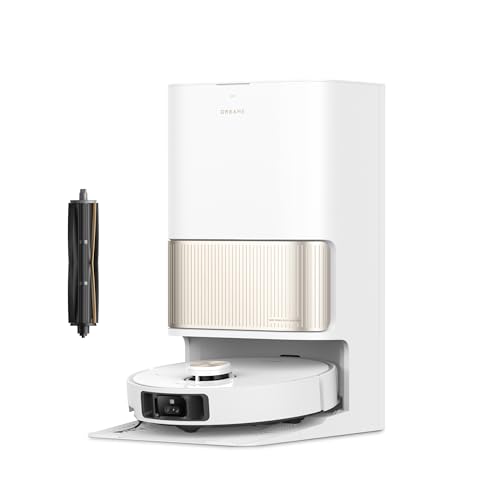
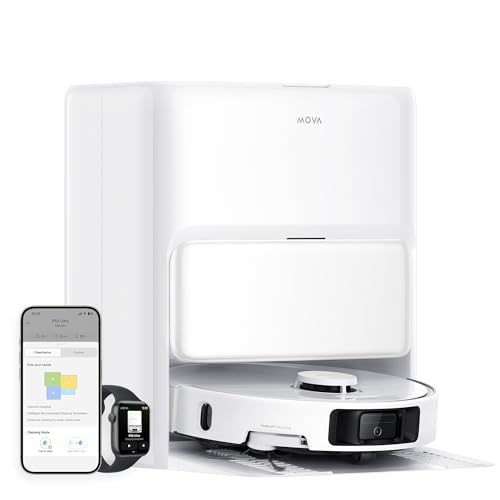
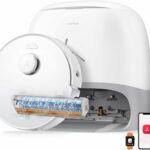
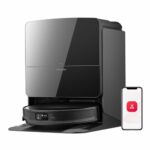
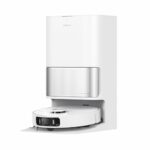
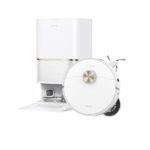
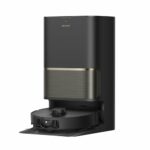
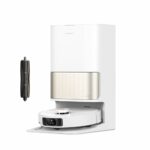
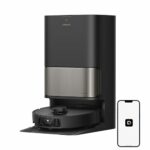
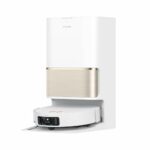
The Dreame L40 Ultra and Mova P50 Ultra represent two compelling options for anyone seeking a comprehensive cleaning solution with multifunction base stations. Dreame launched the L40 Ultra in 2024, whilst Mova introduced the P50 Ultra in 2025. Both models feature rotating dual mop systems, hot water mop washing, and hot air drying capabilities, making them suitable for households wanting a hands-off approach to both vacuuming and mopping.
These robots share several core features, including 5,200 mAh batteries, 10.5 mm mop lift, and the ability to overcome 22 mm obstacles. However, the differences in suction power, artificial intelligence capabilities, and base station design reveal distinct approaches to automated cleaning that will matter depending on your specific needs.
Power and Suction
The suction power difference between these models is substantial. The Mova P50 Ultra delivers 19,000 Pa, significantly outpacing the Dreame L40 Ultra's 11,000 Pa. In practice, this translates to more effective deep cleaning on carpets and better pickup of embedded debris in textile surfaces.
Regarding brush systems, the Dreame L40 Ultra uses the TriCut 3.0 design, which combines bristles with cutting blades to reduce hair tangles. The Mova P50 Ultra features a simpler brush configuration. Both models elevate their main brushes during mopping and include side brushes that lift and extend for better edge coverage. The side brushes on both robots incorporate anti-tangle technology.
For homes with long-haired residents or pets, the TriCut 3.0 system may offer an advantage in maintenance frequency, though the Mova's higher suction could compensate through sheer power.
Mopping
Both robots employ rotating dual mop systems with extension capabilities and RoboSwing technology, allowing them to reach into corners and under furniture edges more effectively. The mop lift on each model reaches 10.5 mm, sufficient for transitioning onto low-pile rugs without dragging wet pads across them.
The Dreame L40 Ultra distinguishes itself through dirt detection on both mops and floors. This means the robot can identify when mops need rewashing or when a particularly soiled area requires additional passes. The L40 Ultra also automatically removes its mops at the base station when you want vacuuming only, eliminating the need to manually detach them.
The Mova P50 Ultra lacks these dirt detection features and cannot auto-remove mops at the base. Both models wash mops with hot water and dry them using heated air to prevent odours and bacterial growth. This becomes particularly important for households mopping daily, as properly dried mops maintain hygiene between cleaning sessions.
Navigation System
Navigation technology reveals one of the most significant divides between these models. The Dreame L40 Ultra incorporates dual AI cameras alongside its 3D LiDAR turret and frontal 3D laser sensor. This setup enables the robot to recognise up to 100 different obstacles, identify pets specifically, and provide remote camera access through the app.
The Mova P50 Ultra relies on its 3D LiDAR turret and frontal 3D laser sensor without camera assistance. Whilst it still avoids obstacles and detects curtains, it doesn't offer the same level of object recognition or the ability to check on your home remotely.
For pet owners, the Dreame's pet recognition can be valuable, as the robot adjusts its behaviour around animals and their belongings. The LED night vision on the L40 Ultra also helps navigation in darker rooms or during evening cleaning sessions. The L40 Ultra runs on the AI Sage 11.0 Qualcomm processor, though the Mova's CPU specifications aren't detailed in available data.
Both models feature AI-driven cleaning intelligence through CleanGenius systems, but only the Dreame offers AI spot recognition for targeted cleaning of detected stains.
Battery and Autonomy
Both robots house identical 5,200 mAh batteries. The Dreame L40 Ultra provides 194 minutes of runtime on a single charge, though autonomy data for the Mova P50 Ultra isn't specified. Given the Mova's substantially higher suction power, it's reasonable to expect its runtime might be shorter when operating at maximum power, though this depends heavily on usage patterns and floor types.
The 194-minute runtime on the Dreame should comfortably handle most homes in a single session, particularly when the robot returns to wash mops and continues cleaning afterwards.
Smart Features
Both models can climb obstacles up to 22 mm, handling common household thresholds and thick rug edges without difficulty. This capability matters when your home has varied flooring levels or substantial door thresholds between rooms.
The Dreame L40 Ultra includes its own voice assistant alongside compatibility with external services like Alexa and Google Home. The Mova P50 Ultra works with external voice assistants but doesn't feature a proprietary voice system. In everyday use, this means the Dreame can respond to commands even without third-party smart home integration.
Multifunction Base Station
Both base stations handle automatic dustbin emptying into 3.2-litre bags, hot water mop washing, and hot air mop drying. The Mova P50 Ultra features a third-generation self-cleaning tray system, whilst the Dreame uses second-generation technology. This newer tray design on the Mova should reduce maintenance frequency for the base itself.
The Dreame L40 Ultra includes a detergent dispenser as standard, automatically adding cleaning solution during mop washing. The Mova P50 Ultra offers this as an optional purchase. For those wanting completely automated mopping, having the detergent system built in saves an additional expense.
Water tank capacities differ slightly: the Dreame holds 4.5 litres of clean water and 4 litres of dirty water, whilst the Mova contains 4 litres clean and 3.5 litres dirty. These differences are minimal in practice, though the Dreame's larger tanks might require slightly less frequent refilling in very large homes.
The Dreame L40 Ultra offers an optional plumbing connection kit for purchase separately, eliminating the need to manually fill and empty water tanks. The Mova doesn't have this option available.
Dimensions
The Mova P50 Ultra stands 97 mm tall, noticeably lower than the Dreame L40 Ultra's 103.8 mm height. This 6.8 mm difference can determine whether the robot fits under certain furniture pieces. If you have low-clearance sofas or bed frames, the Mova's reduced profile provides better access to those spaces.
Both robots share a 350 mm diameter and weigh similarly. Each carries a 300 ml dust container and 80 ml water tank onboard.
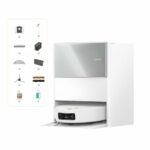
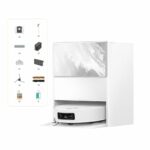
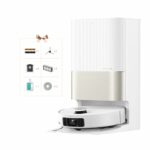
Base station footprints vary considerably. The Dreame measures 340 mm wide, 590.5 mm tall, and 456.7 mm deep. The Mova is wider at 420 mm but shorter at 470 mm, with nearly identical depth at 458 mm. The Dreame's taller, narrower profile might suit corner placement better, whilst the Mova's lower, wider stance could fit under wall-mounted cabinets more easily.
Real-World Usage Experience
For homes with pets, the Dreame L40 Ultra's pet recognition, dual cameras, and TriCut 3.0 brush system create a more pet-focused package. The ability to check cameras remotely adds peace of mind when away from home. The dirt detection ensures heavily soiled areas receive extra attention, which matters when dealing with muddy paw prints or food spills.
The Mova P50 Ultra's 19,000 Pa suction makes it particularly effective for deep carpet cleaning and homes where powerful dirt extraction matters most. If you have thick carpets or high-pile rugs, this extra suction power becomes noticeable. The lower robot height also means better access under furniture, important for thorough whole-home coverage.
Both models handle hard floors and mopping duties effectively thanks to hot water mop washing and heated drying. The automatic mop removal on the Dreame saves manual intervention when you want vacuuming only, whilst the Mova requires you to remove mops yourself for vacuum-only sessions.
The third-generation self-cleaning tray on the Mova should mean less frequent base maintenance, though the Dreame's included detergent dispenser provides more complete automation from the start.
Conclusion: Which to Choose?
Choose the Dreame L40 Ultra if: You want comprehensive AI features including dual cameras, remote viewing, and pet recognition. The automatic mop removal appeals if you frequently switch between mopping and vacuuming-only modes. Dirt detection on mops and floors matters for households with high traffic or messy situations. The included detergent dispenser and optional plumbing kit support maximum automation. You prefer the taller, narrower base station design.
Choose the Mova P50 Ultra if: Maximum suction power is your priority, particularly for carpets and deep cleaning. The lower robot height matters for accessing furniture with tight clearances. You appreciate the third-generation self-cleaning tray technology for reduced base maintenance. The wider but shorter base station fits your available space better. You don't need camera features or pet-specific recognition, making the simpler navigation system sufficient for your needs.
Pet owners and those wanting complete hands-off automation will find the Dreame L40 Ultra's additional intelligence features worthwhile. Homes prioritising raw cleaning power and furniture access benefit more from the Mova P50 Ultra's suction capabilities and lower profile.