✨ VS Analyses · VacuumSpain comparison technology. Explanation created with AI from verified technical data.
Introduction
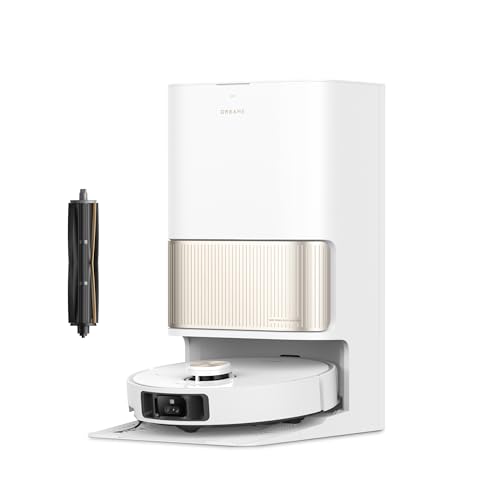
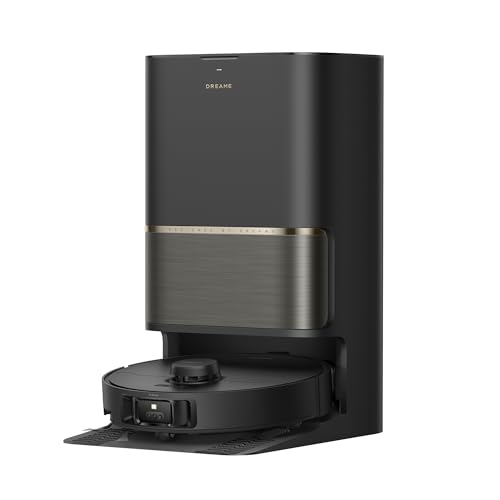
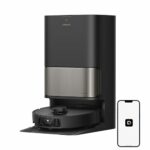
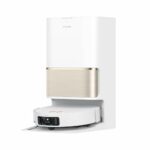
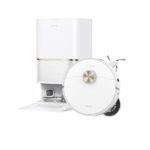
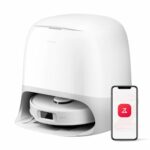
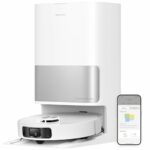
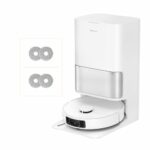
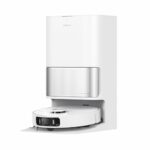
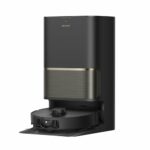
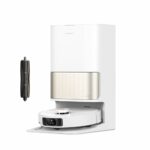
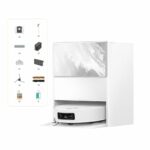
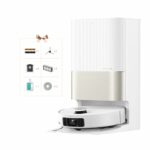
The Dreame L40 Ultra and Dreame L50s Pro Ultra represent two distinct generations of premium robot vacuum technology from the same manufacturer. The L40 Ultra arrived in 2024 as a high-end solution, whilst the L50s Pro Ultra launches in 2026 with notable technological advancements. Both models feature comprehensive multifunction bases that handle everything from dust emptying to mop washing and drying, positioning them firmly in the premium segment of the market.
These robots target homeowners seeking a hands-off cleaning experience with minimal maintenance. The newer L50s Pro Ultra brings substantial upgrades in suction power and object recognition capabilities, suggesting Dreame's evolution towards even more autonomous cleaning systems.
Power and Suction
The suction power gap between these models is immediately striking. The Dreame L40 Ultra delivers 11,000 Pa, which handles everyday debris and pet hair competently across hard floors and carpets. The Dreame L50s Pro Ultra, however, nearly triples this with 30,000 Pa of suction force. This dramatic increase translates to better deep-cleaning performance on carpets and more effective extraction of ground-in dirt.
The brush systems differ significantly too. The L40 Ultra uses the TriCut 3.0 brush, which combines bristles with integrated cutting blades to slice through tangled hair. The L50s Pro Ultra adopts a dual HyperStream brush configuration. This design features two brushes anchored at one end, creating a geometry that actively prevents hair from wrapping around the roller in the first place.
Both models lift their main brushes when mopping and feature side brushes that extend to reach corners and elevate when not needed. The side brushes include anti-tangle technology on both units. In practice, the newer brush system on the L50s Pro Ultra should require less manual maintenance, particularly in homes with long-haired occupants or pets.
Mopping
The mopping systems share fundamental similarities. Each robot uses dual rotating mops that extend outwards for edge cleaning, incorporating the RoboSwing movement that angles the mop slightly under furniture edges and skirting boards. Both lift their mops 10.5 mm when crossing carpets or returning to the base.
Water temperature remains cold for floor mopping on both models. The bases wash mops with hot water and dry them using heated air, which helps prevent bacterial growth and odours. Both systems can automatically detach the mop pads at the base when you want vacuuming only, and they detect dirt levels on both the mops themselves and the floor surface to trigger additional cleaning passes.
The crucial distinction lies in the base self-cleaning technology. The L40 Ultra features 2nd generation self-cleaning for the washing tray, whilst the L50s Pro Ultra advances to 3rd generation. This typically means more thorough automated maintenance of the base components, reducing how often you need to manually clean the station itself.
Navigation System
Both robots employ LiDAR turrets for spatial mapping combined with dual AI cameras and front-mounted 3D laser sensors. This multi-layered approach enables precise room mapping whilst avoiding obstacles in real time. LED lighting supports night vision functionality, and remote camera access lets you check on your home through the robot.
The substantial difference appears in object recognition sophistication. The Dreame L40 Ultra identifies 100 different object types, covering common household items, cables, pet waste, and furniture. The L50s Pro Ultra more than doubles this to 220 recognised objects. This expanded database means the newer model can navigate more complex environments with greater confidence and make more nuanced cleaning decisions.
Both systems recognise pets and detect curtains to avoid entanglement. The CleanGenius AI technology operates on both, analysing room conditions to adjust cleaning strategies automatically. The L40 Ultra runs on the AI Sage 11.0 Qualcomm processor, though the specific chipset for the L50s Pro Ultra isn't detailed in the specifications.
Battery and Autonomy
Battery capacity matches at 5,200 mAh for both models. The L40 Ultra provides 194 minutes of runtime on a single charge, which proves sufficient for most homes up to around 250 square metres. Specific autonomy figures aren't available for the L50s Pro Ultra, though the identical battery capacity suggests comparable endurance, potentially slightly reduced given the significantly higher suction power draw.
The practical implication centres on cleaning cycles. Both robots intelligently return to base for recharging if needed mid-clean, then resume where they left off. With this battery capacity and the recharge-and-resume functionality, even larger homes shouldn't pose coverage problems.
Intelligent Functions
Obstacle climbing capabilities differ notably. The Dreame L40 Ultra can scale obstacles up to 22 mm high, which handles most door thresholds and low-profile floor transitions. The L50s Pro Ultra advances this with "simple multi-level step" capability, suggesting improved threshold navigation and potentially the ability to handle more complex floor level changes.
Both models include onboard voice assistants alongside compatibility with external systems like Alexa and Google Home. This allows voice control whether through the robot itself or your existing smart home ecosystem. The practical benefit means you can start cleaning, send the robot to specific rooms, or check status without opening the app.
Multifunction Cleaning Base
The bases share identical dimensions and tank capacities. Both feature 3.2-litre dust bags, 4.5-litre clean water tanks, and 4-litre dirty water tanks. These generous capacities mean infrequent emptying and refilling—typically every few weeks for average households.
Both bases wash mops with hot water and dry them using heated air, essential features for maintaining hygiene. Each includes a detergent dispenser that automatically doses cleaning solution during mop washing. The bases automatically empty the robot's dust bin and can be fitted with optional plumbing connection kits, though these must be purchased separately.
The advancement to 3rd generation self-cleaning on the L50s Pro Ultra base represents the main distinction here. This enhanced system maintains the washing tray more effectively, reducing maintenance frequency and keeping the base fresher between manual cleans.
Dimensions
The robots measure identically: 350 mm diameter and 103.8 mm height. This low profile allows both to slide under most furniture, though you'll want to measure clearances under sofas and beds to confirm access. The matched dimensions mean either model navigates the same spaces equally well.
Base stations are also virtually identical. Width sits at 340 mm, with heights of 590.5 mm and 590 mm respectively, and depths of 456.7 mm versus 457 mm. These compact bases fit reasonably well in utility rooms, kitchens, or large bathrooms, though you'll need to account for clearance space in front for the robot to dock.
Real-World Use Experience
For homes with pets, the L50s Pro Ultra's dual HyperStream brushes and substantially higher suction make it the stronger choice. The anti-tangle design minimises maintenance, whilst the tripled suction power pulls embedded pet hair from carpets more effectively. The expanded object recognition also means better avoidance of pet toys and accessories.
The L40 Ultra remains highly capable for mixed flooring in medium-sized homes. Its 11,000 Pa suction handles daily maintenance well, and the TriCut brush system manages hair reasonably efficiently. The 194-minute autonomy covers substantial floor areas in one session.
Both models excel at mopping hard floors thanks to their hot-water mop washing and heated drying. The ability to automatically detach mops when vacuuming carpeted areas prevents the hassle of manual mop removal. In practice, the dirt detection systems on both units ensure thorough cleaning by triggering repeat passes over stubborn marks.
The 3rd generation base cleaning on the L50s Pro Ultra matters for those who want to minimise hands-on maintenance. Less frequent base cleaning means genuinely set-and-forget operation over longer periods.
Conclusion: Which to Choose?
Choose the Dreame L40 Ultra if: you want premium robot vacuum performance at what will likely be a more accessible price point as a previous-generation model. It handles mixed flooring effectively, the TriCut brush manages hair well enough for most households, and the multifunction base delivers comprehensive automated maintenance. For homes up to 200 square metres without heavy-duty carpet cleaning demands, this represents excellent value in the premium robot vacuum segment.
Choose the Dreame L50s Pro Ultra if: you need maximum suction power for deep carpet cleaning or have multiple pets. The 30,000 Pa suction and HyperStream brushes tackle embedded dirt and hair more aggressively. The vastly expanded object recognition suits complex homes with lots of floor clutter, whilst the 3rd generation base cleaning reduces your maintenance involvement further. This makes sense for larger homes, pet owners, or anyone wanting the most advanced cleaning technology Dreame currently offers.
The decision ultimately hinges on whether the substantial performance gains justify the premium for the newer model. For demanding cleaning scenarios—thick carpets, multiple shedding pets, or very cluttered environments—the L50s Pro Ultra's advances deliver tangible benefits. For more straightforward cleaning needs, the L40 Ultra provides thoroughly capable premium performance.