✨ VS Analyses · VacuumSpain comparison technology. Explanation created with AI from verified technical data.
Introduction
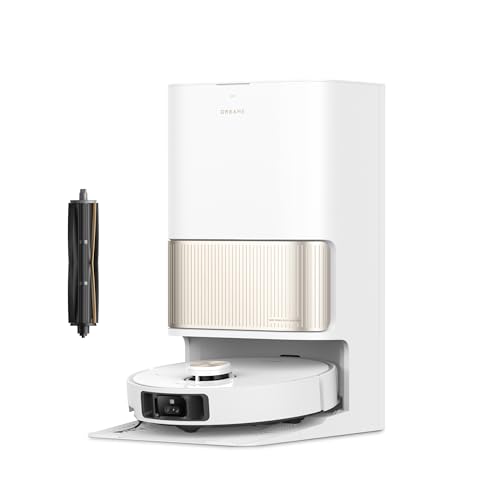
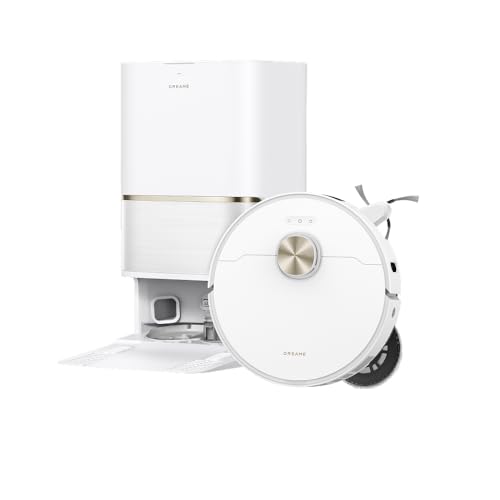
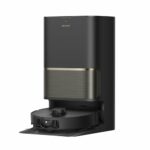
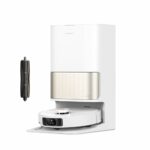
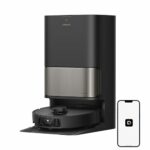
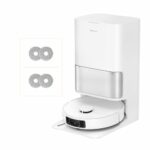
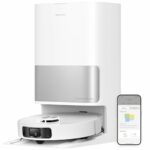
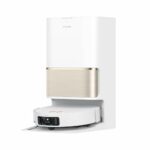
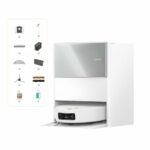
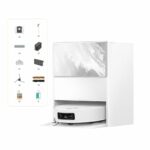
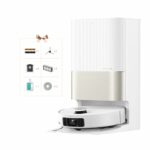
The Dreame L40 Ultra and Dreame L50 Ultra AE represent two generations of premium robot vacuums from the same manufacturer. The L40 Ultra arrived in 2024 as a high-end solution with comprehensive cleaning capabilities, whilst the L50 Ultra AE launched in March 2026 as an evolution that prioritises raw power and refined engineering. Both models feature multifunctional bases with hot water mop washing and heated air drying, making them suitable for households that demand genuinely effective mopping rather than just token damp wiping.
These aren't entry-level machines. They're designed for users who want minimal intervention in their cleaning routine, with bases that handle dust disposal, mop maintenance, and even detergent dispensing. The question becomes which generation suits your needs better: the feature-rich L40 Ultra with its dual AI cameras and pet recognition, or the newer L50 Ultra AE with its dramatically increased suction power and streamlined approach.
Power and Suction
The most striking difference in this comparison revolves around suction power. The Dreame L40 Ultra delivers 11,000 Pa, which already represents strong performance for 2024 standards. The L50 Ultra AE, however, pushes this to 28,000 Pa – a substantial leap that positions it amongst the most powerful robot vacuums available in 2026. In practical terms, this translates to better performance on carpets, more effective deep cleaning in textured flooring, and superior pickup of embedded debris.
Both models use the TriCut 3.0 main brush, which combines bristles with cutting blades to reduce hair tangles. This design works well for homes with pets or long-haired occupants. The main brush lifts during mopping on both robots, preventing wet debris from contaminating the roller.
The side brush configuration shows an interesting divergence. Whilst both feature an extendable side brush that reaches into corners and along edges, only the L40 Ultra includes side brush elevation during mopping. This prevents the side brush from flicking dirty water around whilst the robot mops. The L50 Ultra AE omits this feature, suggesting a design simplification in the newer model. Both maintain anti-tangle properties on the side brush.
Mopping
Both robots employ dual rotating mops with extension capability and the RoboSwing movement system, which angles the robot body to push mops slightly under furniture edges and skirting boards. Mop elevation reaches 10.5 mm on both models, sufficient to clear most low-pile rugs and prevent dragging wet mops over carpets.
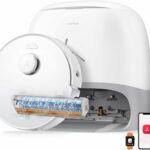
The base stations wash mops with hot water and dry them using heated air, which significantly improves hygiene compared to cold-water systems. Both can automatically remove mops at the base when you want the robot to vacuum only, avoiding unnecessary mop dragging during dry cleaning sessions.
Where they differ is in intelligence. The L40 Ultra incorporates dirt detection for both mops and floors. When sensors detect that mops have become heavily soiled, the robot returns to the base for an extra wash cycle. Similarly, if the floor appears particularly dirty in certain areas, the robot can increase cleaning intensity or make additional passes. The L50 Ultra AE lacks these sensors, relying instead on scheduled cleaning patterns without adaptive response to actual dirt levels.
For homes with varied floor conditions or high-traffic areas that accumulate grime quickly, the adaptive approach of the L40 Ultra offers practical advantages. The L50 Ultra AE takes a more straightforward path: clean according to schedule without real-time adjustments.
Navigation System
Both models navigate using a 3D LiDAR turret combined with frontal 3D laser sensors for obstacle avoidance. This dual-layer approach allows them to map spaces accurately whilst detecting objects in their path.
The L40 Ultra distinguishes itself with a dual AI camera system. These cameras enable the robot to recognise over 100 different obstacle types, including specific detection for pets and curtains. The pet recognition proves useful if you want the robot to avoid disturbing sleeping animals or to navigate around pet bowls and toys with greater care. Curtain detection prevents the robot from becoming entangled in long drapes that touch the floor.
Remote camera access on the L40 Ultra allows you to check on your home through the robot's cameras via the app, effectively turning it into a mobile security device. LED night vision supports this functionality in low-light conditions. None of these camera-based features appear on the L50 Ultra AE, which relies purely on LiDAR and 3D sensors for navigation.
The L40 Ultra also integrates CleanGenius AI, which analyses room types and adjusts cleaning strategies accordingly. The AI Sage 11.0 Qualcomm processor powers these intelligent functions. The L50 Ultra AE simplifies this aspect, focusing on reliable navigation without the additional AI layer.
Battery and Autonomy
Both robots carry identical 5,200 mAh batteries. The L40 Ultra achieves 194 minutes of runtime, though autonomy data for the L50 Ultra AE isn't specified. Given the dramatically higher suction power of the L50 Ultra AE, it's reasonable to expect somewhat reduced runtime when operating at maximum power, though modern battery management systems often compensate through efficiency improvements.
For most residential applications, even reduced autonomy shouldn't pose problems. These robots return to base automatically when battery runs low, recharge, and resume cleaning where they left off. The multifunctional base also serves as a charging station, so the robot maintains readiness between cleaning sessions.
Smart Functions
The Dreame L40 Ultra can climb obstacles up to 22 mm high, whilst the L50 Ultra AE manages 20 mm. This 2 mm difference might seem trivial, but it can determine whether a robot successfully crosses certain door thresholds, thick carpet edges, or raised floor transitions. In homes with varied flooring heights, the extra capability of the L40 Ultra provides slightly better freedom of movement.
Voice assistant integration differs between the models. The L40 Ultra includes its own built-in voice assistant, allowing direct voice commands to the robot itself without requiring external smart speakers. Both robots support external voice assistants like Alexa and Google Home, but the integrated assistant on the L40 Ultra offers an additional control method.
Multifunctional Base Station
Both bases handle the essential tasks: auto-emptying the dust bin, washing mops with hot water, and drying them with heated air. They share identical dust bag capacity at 3.2 litres, along with 4.5-litre clean water tanks and 4-litre dirty water tanks. Both include detergent dispensers and offer optional kits for direct plumbing connection, though these kits must be purchased separately.
The meaningful difference lies in the self-cleaning system for the washing tray. The L40 Ultra uses a second-generation self-cleaning mechanism, whilst the L50 Ultra AE advances to a third-generation system. Whilst specific technical details aren't provided, newer generations typically improve cleaning thoroughness and reduce maintenance frequency. This matters because the tray where mops are washed can itself accumulate grime over time, and better self-cleaning reduces the need for manual intervention.
Dimensions
Both robots measure 350 mm in diameter, but height differs notably. The L40 Ultra stands 103.8 mm tall, whilst the L50 Ultra AE measures just 97 mm. This 6.8 mm reduction allows the newer model to fit under furniture that might block the older version. For homes with low-clearance sofas, beds, or cabinets, this can expand the cleanable area significantly.
The base stations are nearly identical in size, with the L50 Ultra AE base measuring 340 mm wide, 590 mm tall, and 457 mm deep compared to the L40 Ultra's 340 mm width, 590.5 mm height, and 456.7 mm depth. These negligible differences won't affect placement decisions.
The L40 Ultra's dust bin holds 300 ml versus 250 ml on the L50 Ultra AE. Both carry 80 ml water tanks onboard. Given that both auto-empty frequently and refill water at the base during mopping sessions, these small capacity differences have minimal practical impact.
Real-World Use Experience
The choice between these models depends largely on your priorities. The L50 Ultra AE's 28,000 Pa suction makes it particularly effective for homes with thick carpets, pets that shed heavily, or anyone who prioritises maximum dirt extraction. That lower 97 mm profile also helps it access spaces the L40 Ultra simply cannot reach, which matters in homes where much of the floor area sits beneath furniture.
The L40 Ultra appeals to users who value intelligent automation and monitoring. The dual AI cameras with pet recognition work well in multi-pet households, whilst remote camera access provides peace of mind when you're away. The dirt detection sensors mean the robot adapts its cleaning intensity to actual conditions rather than following a fixed routine. The built-in voice assistant and CleanGenius AI contribute to a more interactive, responsive cleaning experience.
For straightforward cleaning without the need for cameras or adaptive sensors, the L50 Ultra AE delivers exceptional power in a slightly more compact package. The third-generation base self-cleaning system also suggests reduced long-term maintenance.
Both handle hard floors and mopping effectively thanks to their hot-water washing and heated drying systems. The extendable mops and RoboSwing function help them clean edges and corners that many robots miss.
Conclusion: Which Should You Choose?
Choose the Dreame L40 Ultra if: you want comprehensive AI features including pet recognition, remote camera monitoring, and adaptive dirt detection. It suits homes where you value intelligent response to changing conditions, need to check in remotely, or want the robot to adjust its behaviour around pets. The slightly greater obstacle-climbing ability and side brush elevation during mopping add refinement to the cleaning process.
Choose the Dreame L50 Ultra AE if: raw suction power and the ability to clean under low furniture matter most. With 28,000 Pa and a 97 mm profile, this newer model excels at deep carpet cleaning and accessing tight spaces. The third-generation base self-cleaning system suggests improved long-term convenience. It's ideal for homes with demanding floor types, lots of under-furniture areas, or anyone who prefers powerful, straightforward cleaning without camera-based features.
Both represent premium solutions with excellent mopping capabilities. Your decision ultimately hinges on whether you prioritise the AI intelligence and monitoring features of the 2024 model or the enhanced power and refined engineering of the 2026 release.