✨ VS Analyses · VacuumSpain comparison technology. Explanation created with AI from verified technical data.
Introduction
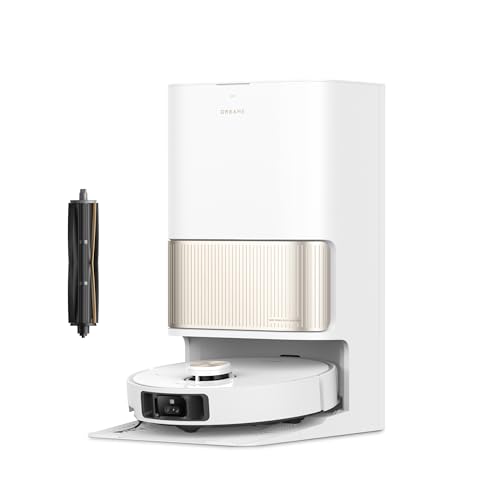
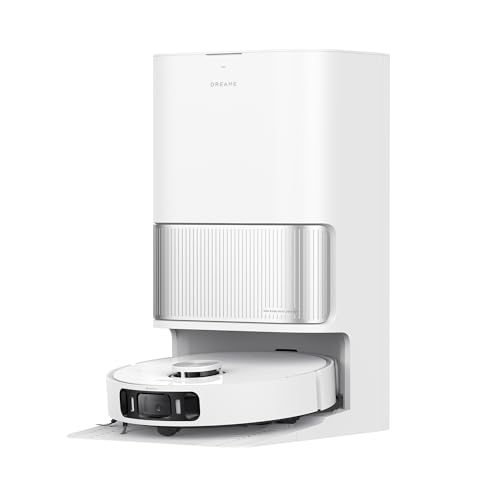
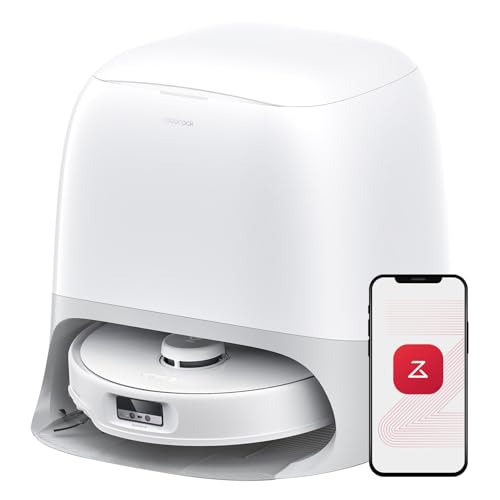
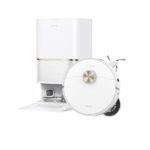
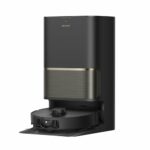
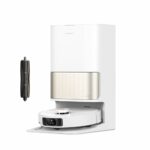
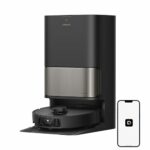
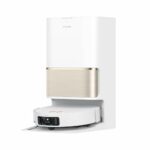
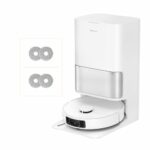
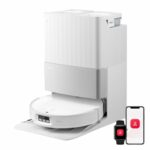
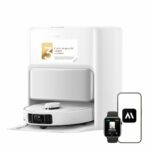
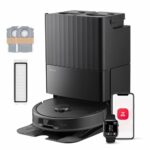
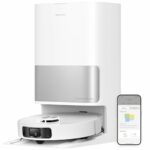
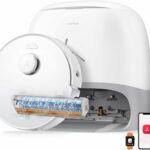
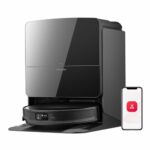
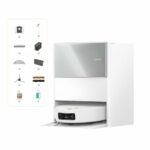
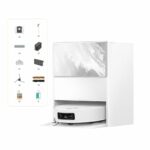
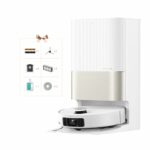
The Dreame L40 Ultra and Dreame L40 Ultra AE represent two iterations from the same manufacturer, with the latter arriving as a 2025 refresh of the original 2024 model. Both robots feature multifunctional bases with hot water mop washing and hot air drying, positioning them firmly in the premium segment. The Roborock Qrevo Curv, also from 2024, brings its own set of capabilities from a brand widely regarded as the global leader in robot vacuum technology.
These three models target users seeking comprehensive cleaning automation with minimal intervention. The multifunctional bases handle mop washing and drying automatically, whilst the robots themselves manage both vacuuming and mopping with considerable sophistication. For larger homes with mixed flooring and potentially pets, these represent serious contenders worth examining in detail.
Power and suction
The suction power gap between these models tells an interesting story. The Dreame L40 Ultra AE pushes out 19,000 Pa, making it the most powerful of the trio by a narrow margin over the Roborock Qrevo Curv's 18,500 Pa. The original L40 Ultra sits substantially lower at 11,000 Pa, which represents a considerable difference when tackling embedded dirt in carpets or textured flooring.
All three employ sophisticated main brush systems. The Dreame models use the TriCut 3.0 design, combining bristles with integrated blades to slice through tangled hair. Roborock counters with its DuoDivide Anti-tangle brush, which channels hair towards the central suction point rather than allowing it to wrap around the roller. Each approach has merit, though the practical outcome depends heavily on the type and length of hair in your home.
The side brush configuration reveals more substantial differences. The original L40 Ultra features an extensible side brush that reaches further into corners, plus it lifts automatically during mopping to avoid dragging debris across wet floors. This side brush also benefits from anti-tangle technology. The L40 Ultra AE loses these refinements entirely—no extension, no elevation, no anti-tangle design. The Roborock Qrevo Curv includes both extension and anti-tangle features but doesn't lift the side brush when mopping.
For homes with pets or long hair, the combination of anti-tangle main and side brushes on the original L40 Ultra reduces maintenance frequency noticeably.
Mopping
All three robots deploy dual rotating mops with extension capabilities for better edge coverage. The Dreame models incorporate the RoboSwing system, which adds a subtle swaying motion to push the mop slightly under furniture edges and skirting boards. The Roborock achieves edge cleaning through straightforward mop extension without the additional movement.
Mop lifting height varies between models. Both Dreame units lift their mops 10.5 mm when encountering carpets or returning to base, whilst the Roborock Qrevo Curv manages between 10-20 mm depending on the situation. This extra clearance helps when dealing with thicker rugs or raised thresholds.
The original L40 Ultra includes a feature absent from the other two: automatic mop removal at the base. When you need pure vacuuming without any mopping component, the robot detaches its mop pads entirely rather than simply lifting them. This prevents any possibility of damp transfer and makes the robot slightly more manoeuvrable. Neither the AE version nor the Roborock offers this capability.
All three bases wash mops with hot water and dry them using heated air, which genuinely matters for hygiene and odour prevention. Each robot also detects dirty mops and soiled floors, adjusting cleaning intensity accordingly. The Dreame bases include a detergent dispenser, whilst the Roborock does not—you'll need to add cleaning solution manually to the water tank if using the Qrevo Curv.
Navigation system
LiDAR turrets handle primary navigation across all three models, supplemented by front-facing cameras and 3D laser sensors for obstacle avoidance. The camera systems differ slightly: both the original L40 Ultra and the Qrevo Curv feature dual cameras, whilst the AE version uses a single camera setup.
Object recognition capabilities vary quite dramatically. The Dreame L40 Ultra AE leads with 120 recognised obstacles, followed by the original L40 Ultra at 100, and the Roborock Qrevo Curv at 62. In practice, this means the Dreame models identify a broader range of household items and respond more precisely to unusual objects left on the floor.
The original L40 Ultra includes AI-powered stain recognition, automatically intensifying cleaning when it spots marks on hard floors. Neither the AE version nor the Roborock incorporates this specific feature. The L40 Ultra also detects curtains and adjusts its behaviour to avoid tangling, something the other two don't explicitly handle.
All three provide remote camera access through their respective apps, with LED illumination for low-light conditions. This proves useful for checking on pets or simply seeing what the robot encountered during its cleaning cycle.
Battery and autonomy
The Roborock Qrevo Curv pulls ahead decisively here with its 6,400 mAh battery, delivering 240 minutes of runtime. The Dreame L40 Ultra's 5,200 mAh capacity yields 194 minutes. Dreame hasn't published runtime figures for the AE version despite it sharing the same battery capacity as the original.
For typical homes under 150 square metres, any of these batteries provides ample capacity. The difference becomes relevant in larger properties or when running multiple cleaning cycles without returning to base. The Roborock's extra stamina means fewer interruptions during whole-home cleaning sessions.
Smart features
Obstacle climbing capability separates these models considerably. The Roborock Qrevo Curv employs its AdaptiLift chassis to clear obstacles between 30-40 mm high—think substantial door thresholds, thick rug edges, or raised floor transitions. The original Dreame L40 Ultra manages 22 mm, whilst the AE version handles 20 mm. For homes with varied flooring levels, the Roborock's advantage here can mean the difference between seamless navigation and frequent stuck situations.
Voice assistant integration appears across all models through Alexa and Google Home compatibility. The original L40 Ultra and the Roborock Qrevo Curv also include their own built-in voice assistants, allowing direct commands without invoking external services. The L40 Ultra AE omits this native assistant, relying solely on third-party integrations.
Multifunctional base
The cleaning bases share core functionality: automatic dustbin emptying, hot water mop washing, and hot air drying. All three feature second-generation self-cleaning systems for the wash tray itself, reducing the need to manually scrub the base components.
Capacity differences emerge in the details. Both Dreame bases hold 3.2 litres of dust, 4.5 litres of clean water, and 4 litres of dirty water. The Roborock base uses a 2.5-litre dust bag, 4 litres of clean water, and 3 litres for dirty water. The larger clean water reservoir in the Dreame bases means less frequent refilling during extended mopping sessions.
The Dreame models support an optional plumbing connection kit, purchased separately, which can automate water supply and drainage. The Roborock doesn't offer this option. Whilst the kit isn't included as standard, it's worth considering if you plan to position the base near plumbing access and want to eliminate manual water management entirely.
Dimensions
Robot height matters when navigating under furniture. The Dreame L40 Ultra AE measures 97 mm tall, making it the lowest profile of the three. The original L40 Ultra stands at 103.8 mm, and the Roborock Qrevo Curv at 103 mm. That 6-7 mm difference can determine whether the robot accesses the space beneath certain sofas or bed frames.
All three robots measure approximately 350 mm in diameter, so they'll navigate doorways and tight spaces with similar ease. The dust bin capacity within the robots themselves ranges from 300 ml to 395 ml, though this matters less given the automatic emptying function.
Base footprints differ substantially. The Dreame stations measure 340 mm wide, 590.5 mm tall, and 456.7 mm deep. The Roborock base adopts a more compact cube-like design at 450 mm in all dimensions. If floor space is constrained, the Roborock's smaller base footprint might influence placement options, though you'll need to account for clearance around any base for the robot to dock properly.
Real-world performance
For larger homes exceeding 200 square metres, the Roborock Qrevo Curv's superior battery capacity and obstacle climbing ability make it particularly well-suited. The extended runtime means it can complete whole-home cleaning without multiple recharge cycles, whilst the AdaptiLift system handles varied floor levels more confidently.
Homes with pets benefit most from models with comprehensive anti-tangle systems. The original Dreame L40 Ultra's anti-tangle side brush combined with the TriCut main brush reduces hair-related maintenance. The Roborock's DuoDivide brush also performs well with pet hair, though without the side brush anti-tangle feature.
The automatic mop removal feature on the original L40 Ultra suits homes with extensive carpeted areas where you frequently want vacuum-only operation. Rather than relying on mop lifting alone, complete removal ensures no moisture transfer whatsoever.
For those prioritising edge cleaning, the side brush extension and RoboSwing motion on the Dreame models address corners and skirting boards more thoroughly. The Roborock achieves good edge coverage through mop extension but without the additional mechanical articulation.
Stain recognition on the original L40 Ultra provides an edge in kitchens or dining areas where spills occur regularly. The robot automatically intensifies cleaning when it detects marks, rather than requiring manual spot-cleaning designation.
Conclusion: which to choose?
Choose the Dreame L40 Ultra if you want the most comprehensive feature set including automatic mop removal, side brush elevation, AI stain recognition, and curtain detection. This model suits homes with mixed flooring, pets, and users who value reduced maintenance through advanced anti-tangle systems. The built-in voice assistant adds convenience for direct commands.
Choose the Dreame L40 Ultra AE if raw suction power tops your priority list and you're comfortable sacrificing some refinements like side brush features and native voice control. The 19,000 Pa suction makes this the most powerful option for deep carpet cleaning, whilst the lower profile helps it access tight spaces under furniture more effectively.
Choose the Roborock Qrevo Curv if you have a large home with significant floor level variations. The 6,400 mAh battery and AdaptiLift chassis combining for 30-40 mm obstacle climbing make this the most capable for complex floor plans. The more compact base suits tighter installation spaces, and Roborock's reputation for reliability and app quality provides peace of mind. The DuoDivide brush handles pet hair effectively despite lacking side brush anti-tangle features.