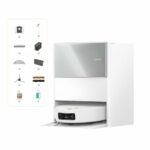
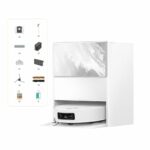
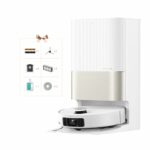
✨ VS Analyses · VacuumSpain comparison technology. Explanation created with AI from verified technical data.
Introduction
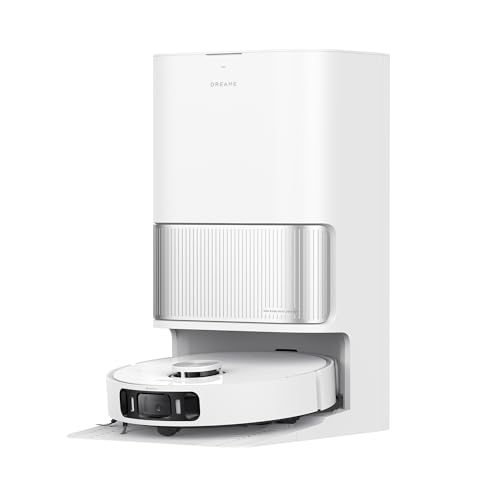
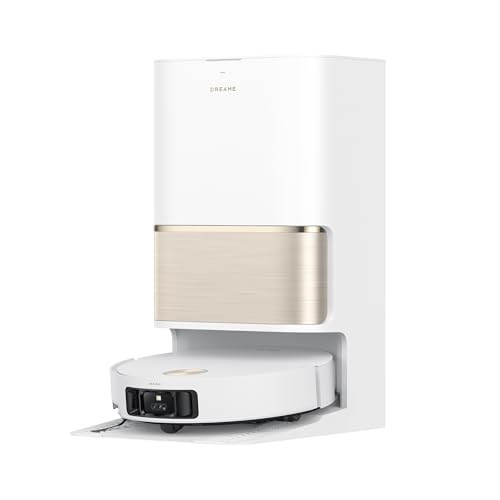
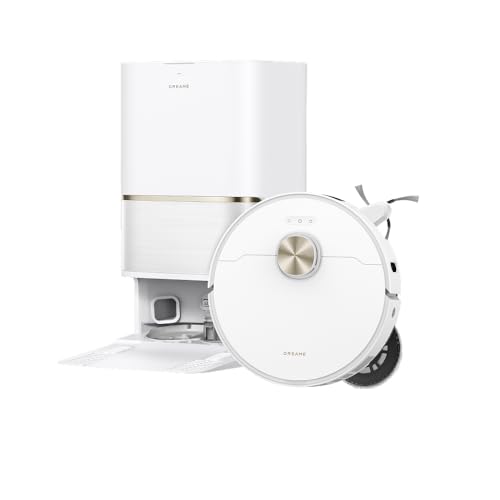
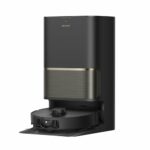
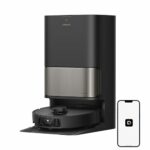
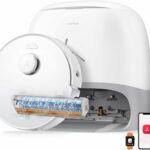
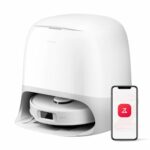
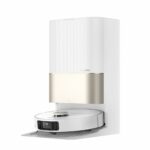
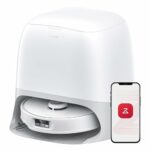
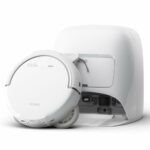
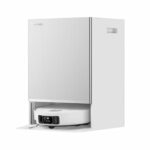
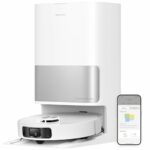
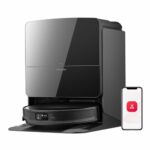
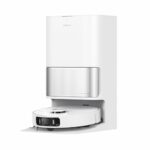
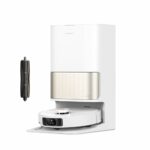
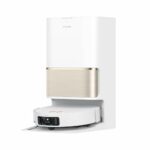
Dreame has released three compelling options within its 2025-2026 range, each targeting users seeking advanced cleaning automation with multifunctional bases. The Dreame L40 Ultra AE and Dreame L50 Pro Ultra both launched in 2025, whilst the Dreame L50 Ultra AE arrived in March 2026 as a refined iteration. All three models feature rotating dual mopas with edge extension and RoboSwing technology, paired with bases that handle auto-emptying, mop washing with hot water, and hot air drying. The differences lie primarily in suction power, navigation intelligence, and specific hardware refinements that affect performance in homes with pets, complex layouts, or demanding cleaning requirements.
The L50 Pro Ultra positions itself as the flagship, offering the highest level of AI-driven navigation and obstacle recognition. The L40 Ultra AE serves as a capable mid-tier option with strong fundamentals, whilst the L50 Ultra AE strips back some smart features to deliver exceptional suction power at a potentially more accessible price point.
Suction Power and Brushing
The most striking difference appears in raw suction capability. The Dreame L50 Ultra AE delivers 28,000 Pa, a substantial leap over the 19,000 Pa of the L40 Ultra AE and the 19,500 Pa of the L50 Pro Ultra. This makes the L50 Ultra AE particularly effective on deep-pile carpets and homes where embedded dirt and pet hair demand aggressive extraction.
When it comes to the main brush, the L40 Ultra AE and L50 Ultra AE both employ TriCut 3.0 technology, which combines bristles with integrated cutting blades to slice through tangled hair. The L50 Pro Ultra takes a different approach with a dual-brush system, designed to channel debris towards the suction inlet more efficiently. All three models lift their main brush during mopping to prevent wet bristles from spreading dirt.
The side brush configuration reveals further distinctions. The L50 Pro Ultra stands alone with an extendable, elevating side brush that also features anti-tangle properties. This allows it to sweep more effectively into corners and along skirting boards, then lift clear during mopping to avoid interference. The L50 Ultra AE offers extension but lacks elevation and anti-tangle features, whilst the L40 Ultra AE has neither extension nor elevation. For homes with intricate furniture layouts or persistent corner dust accumulation, these differences matter in daily practice.
Mopping Performance
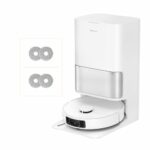
All three robots use dual rotating mopas with edge extension and RoboSwing technology, enabling them to reach tight spaces and manoeuvre the mopa slightly under furniture edges. Each can lift its mopas 10.5 mm when encountering carpets or rugs, preventing cross-contamination. The base stations uniformly wash mopas with hot water and dry them using heated air, ensuring hygiene and reducing odour between cleaning sessions.
A key functional difference emerges in automatic mopa removal. The L50 Pro Ultra and L50 Ultra AE can detach their mopas at the base, allowing pure vacuuming without the mopping assembly attached. The L40 Ultra AE lacks this feature, meaning the mopas remain in place even during vacuum-only routines. This might not matter for homes with minimal carpeting, but it adds flexibility for mixed-surface households.
Dirt detection on mopas and floors is present in the L40 Ultra AE and L50 Pro Ultra, enabling these models to identify particularly soiled areas and adjust mopping intensity or make additional passes. The L50 Ultra AE does not include this sensor-driven adaptability, relying instead on user-defined settings and its superior suction to handle debris. In practice, this means the two models with dirt detection can respond dynamically to spills or high-traffic zones without manual intervention.
Navigation Systems
Navigation architecture separates the L50 Pro Ultra from its siblings. It uses a retractable LiDAR system that lowers the overall robot height to 89 mm, paired with dual AI cameras for enhanced object recognition. This configuration allows it to slip under more furniture whilst maintaining sophisticated obstacle avoidance. The L40 Ultra AE and L50 Ultra AE both feature traditional LiDAR turrets, resulting in a 97 mm profile.
All three models incorporate frontal 3D laser sensors for close-range obstacle detection. However, the L50 Pro Ultra recognises up to 180 different objects, compared to 120 for the L40 Ultra AE. The L50 Ultra AE does not specify its recognition count, and it also omits the AI camera entirely, relying solely on LiDAR and 3D sensors. This makes it less capable of identifying specific items like shoes, cables, or pet toys, though it still navigates efficiently around them.
Pet recognition is available on the L40 Ultra AE and L50 Pro Ultra, useful for households where the robot needs to avoid disturbing animals or their feeding areas. The L50 Pro Ultra goes further with curtain detection, preventing the robot from becoming entangled in long drapes. Remote camera access, which allows live viewing through the app, is present only on the L40 Ultra AE and L50 Pro Ultra; both also feature LED lighting for low-light visibility. The L50 Ultra AE lacks these visual monitoring tools.
CleanGenius AI, Dreame's adaptive cleaning intelligence, operates on the L40 Ultra AE and L50 Pro Ultra but is absent from the L50 Ultra AE. The L50 Pro Ultra additionally benefits from AI Sage 13.0 CPU and algorithm processing, along with AI-driven stain recognition, making it the most autonomous of the trio when dealing with unpredictable messes.
Battery and Autonomy
Battery capacity differs notably. The L50 Pro Ultra houses a 6,400 mAh cell, providing 200 minutes of runtime, which translates to coverage of larger homes in a single session. The L40 Ultra AE and L50 Ultra AE both use 5,200 mAh batteries, with autonomy figures not disclosed. In practical terms, the L50 Pro Ultra handles expansive floor plans with fewer interruptions for recharging, whilst the AE models may require mid-clean top-ups in properties exceeding 150-180 square metres.
Smart Features
All three models can climb obstacles up to 20 mm, sufficient for standard door thresholds and low-profile rugs. None include a robotic arm for object manipulation. Voice assistant integration is standard via Alexa and Google Home across the range, but only the L50 Pro Ultra includes its own built-in voice assistant, allowing direct commands without relying on external smart home ecosystems.
Multifunction Base
Each robot comes with a comprehensive base station that auto-empties the dust bin, washes mopas with hot water, and dries them using heated air. All three bases hold a 3.2-litre dust bag, 4.5-litre clean water tank, and 4-litre dirty water tank. A detergent dispenser is integrated, and all support an optional kit for direct plumbing connection, though this must be purchased separately and is not a primary consideration.
The distinction lies in the self-cleaning mechanism for the base's wash tray. The L40 Ultra AE uses a second-generation system, whilst both L50 models feature a third-generation autoclean process, which typically improves maintenance intervals and reduces manual intervention. None of the bases include UV disinfection.
Dimensions
The L50 Pro Ultra measures 89 mm in height, making it the lowest-profile option and better suited for slipping beneath low-clearance furniture such as sofas, beds, or cabinets. The L40 Ultra AE and L50 Ultra AE both stand at 97 mm, which may limit access to tighter spaces. All three share a 350 mm diameter.
Base dimensions are nearly identical: 340 mm wide, approximately 590 mm tall, and around 456-457 mm deep. The slight variations in depth and height are negligible in real-world placement.
The L40 Ultra AE and L50 Pro Ultra carry 395 ml dust bins within the robot itself, whilst the L50 Ultra AE has a smaller 250 ml capacity. This means the L50 Ultra AE may trigger auto-emptying cycles more frequently during extended cleaning sessions, though the base's 3.2-litre bag compensates for this.
Real-World Use
For homes with pets, the L50 Pro Ultra offers the most comprehensive solution: dual AI cameras for pet recognition, an anti-tangle extendable side brush, and dirt detection to handle shedding and accidents. The L40 Ultra AE also recognises pets and detects dirt, making it a solid choice, though its side brush is less sophisticated. The L50 Ultra AE compensates with brute suction power, making it effective for hair pickup even without advanced AI features.
In large properties, the L50 Pro Ultra's 6,400 mAh battery and 200-minute runtime provide the stamina needed to cover extensive floor plans without recharging. The AE models, with their smaller batteries, are better matched to medium-sized homes.
For low-clearance environments—homes with platform beds, minimalist furniture, or built-in cabinetry—the L50 Pro Ultra's 89 mm height grants access where the 97 mm AE models cannot reach. This 8 mm difference can determine whether the robot cleans under furniture or skips it entirely.
Households prioritising automation and minimal intervention will appreciate the L50 Pro Ultra's AI Sage 13.0 processing, stain recognition, curtain detection, and automatic mopa removal. The L40 Ultra AE strikes a balance between intelligence and simplicity, whilst the L50 Ultra AE focuses on raw cleaning power with fewer smart frills.
Conclusion: Which to Choose?
Choose the Dreame L40 Ultra AE if you want a well-rounded robot with AI camera monitoring, pet recognition, dirt detection, and remote camera access, but don't need the absolute highest suction or the most advanced navigation. It suits medium-sized homes with pets and mixed flooring, offering strong fundamentals without the premium cost of the flagship.
Choose the Dreame L50 Pro Ultra if you demand the most intelligent and autonomous cleaning experience. Its dual AI cameras, 180-object recognition, retractable LiDAR, extendable anti-tangle side brush, built-in voice assistant, and longest battery life make it ideal for large homes with pets, complex layouts, and low furniture. The third-generation base autoclean and AI-driven stain recognition further reduce manual oversight.
Choose the Dreame L50 Ultra AE if you prioritise suction power above all else and can forgo AI cameras, pet recognition, and remote monitoring. Its 28,000 Pa makes it the most aggressive cleaner for deep carpets and heavy debris, whilst automatic mopa removal and third-generation base autoclean maintain convenience. It's well-suited to homes with challenging flooring but simpler layouts where advanced object recognition is less critical.