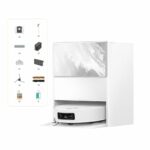
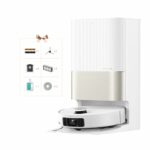
✨ VS Analyses · VacuumSpain comparison technology. Explanation created with AI from verified technical data.
Introduction
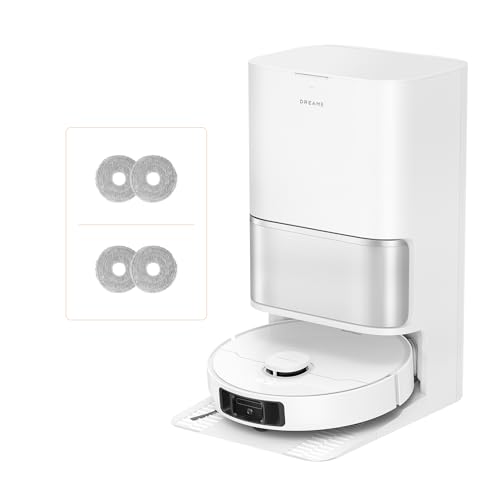
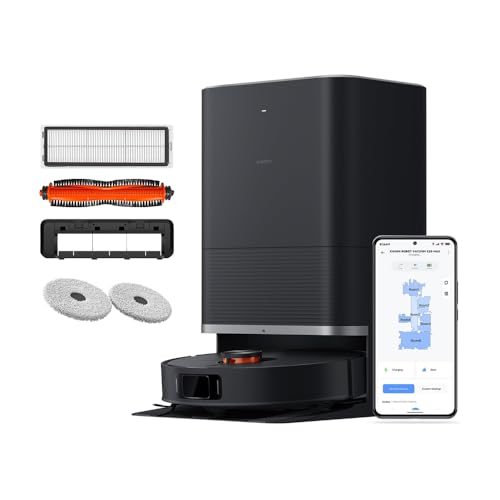
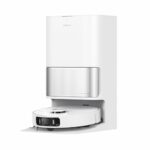
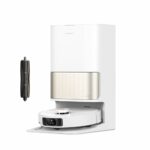
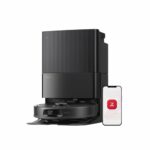
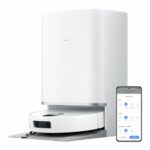
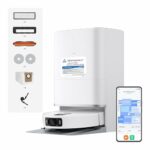
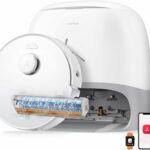
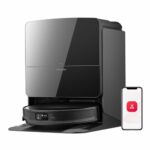
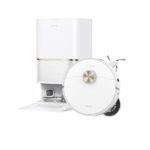
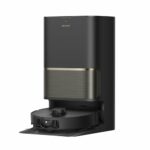
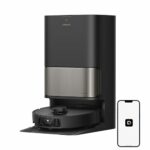
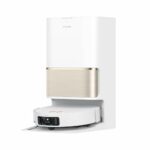
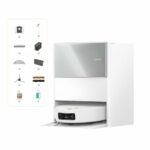
The Dreame L10s Ultra Gen 3 and Xiaomi X20 Max represent two compelling approaches to automated home cleaning, each bringing distinct capabilities to the table. The Dreame model arrived in November 2025, whilst the Xiaomi X20 Max launched in 2024, giving both units modern navigation and cleaning technologies. These are full-featured robot vacuum cleaners with multifunction bases that handle both vacuuming and mopping tasks, designed for households seeking comprehensive floor care with minimal intervention.
What sets these models apart becomes apparent when examining their core specifications. The Dreame L10s Ultra Gen 3 pushes boundaries with exceptional suction power and extended runtime, whilst the Xiaomi X20 Max incorporates features like LED lighting and hot water mop washing. Both units share the same battery capacity and physical dimensions, yet deliver notably different performance profiles that suit different household requirements.
Suction Power and Brushing
The gap in suction performance is substantial. Dreame's 25,000 Pa represents more than triple the 8,000 Pa offered by the Xiaomi X20 Max. In practice, this translates to significantly better debris pickup on carpets and rugs, plus more effective extraction of embedded dirt from textile surfaces. For homes with thick-pile carpeting or households with pets that shed heavily, this difference matters considerably.
The brush configurations reveal different design philosophies. Xiaomi equips the X20 Max with TriCut 3.0, which combines bristles with integrated cutting blades to slice through tangled hair before it wraps around the roller. The Dreame L10s Ultra Gen 3 uses a simpler main brush design but compensates with an extendable side brush that reaches deeper into corners and along skirting boards. Neither model offers an elevating main brush when mopping, and neither features anti-tangle technology on the side brush.
The extendable side brush on the Dreame proves particularly useful for edge cleaning, sweeping debris from areas the main brush cannot reach. The Xiaomi relies on a standard fixed side brush, which still performs adequately but doesn't achieve quite the same thoroughness along wall edges and furniture bases.
Mopping Performance
Both robots employ dual rotating mop pads that spin to scrub floors rather than simply dragging across surfaces. The Dreame L10s Ultra Gen 3 incorporates Roboswing, a movement mechanism that allows the unit to wiggle the mop slightly under furniture edges and protruding obstacles. The Xiaomi X20 Max extends its mops for better border coverage but lacks this additional movement capability.
Mop lift height differs marginally: 10.5 mm on the Dreame compared to 10 mm on the Xiaomi. This half-millimetre difference is negligible in real-world use, with both units capable of raising mops sufficiently to prevent carpet wetting when transitioning between floor types. Neither robot can automatically detach its mops at the base station for vacuum-only sessions, requiring manual removal if you want pure vacuuming.
Neither model heats water within the robot itself for floor mopping, both relying on cold water during the cleaning process. They also lack dirt detection sensors that would trigger automatic re-mopping or re-washing of particularly soiled areas. For households with stubborn floor staining, this means relying on scheduled passes rather than adaptive cleaning.
Navigation Systems
Both the Dreame L10s Ultra Gen 3 and Xiaomi X20 Max navigate using 3D LiDAR towers combined with frontal 3D laser sensors for obstacle detection. This dual-layer approach creates accurate floor plans whilst avoiding collisions with furniture, cables, and household items. Neither incorporates an AI camera for visual object recognition, instead depending on laser-based detection.
The Dreame includes pet recognition capability, allowing it to identify and navigate around animals more carefully. The Xiaomi X20 Max lacks this specific feature but compensates with an LED light for improved navigation in dark spaces under beds and cupboards. This night vision LED helps the sensors function more reliably in low-light conditions, something the Dreame manages without additional illumination.
Both units integrate CleanGenius AI cleaning intelligence that adapts cleaning patterns based on room layout and floor type. Neither provides remote camera access, as they don't incorporate visual cameras in their navigation systems. Voice assistant compatibility extends to external platforms like Alexa and Google Home on both models, though neither has a proprietary voice assistant built in.
Battery Life and Runtime
Identical 5,200 mAh batteries power both robots, yet runtime differs dramatically. The Dreame L10s Ultra Gen 3 operates for 231 minutes on a single charge, nearly double the Xiaomi X20 Max's 120-minute runtime. This extended operation allows the Dreame to cover larger floor areas without returning to recharge mid-clean.
For expansive homes or properties with multiple levels, the Dreame's autonomy proves advantageous. It can complete whole-home cleaning in one session more reliably, whilst the Xiaomi may need to pause, recharge, and resume in larger properties. The table doesn't specify charging times for either unit, but the practical implication remains clear: less frequent charging interruptions with the Dreame.
Smart Features
Both robots manage 20 mm obstacle climbing, sufficient for standard door thresholds and minor floor transitions. This capability ensures they move freely between rooms without getting stranded on typical household barriers. Neither incorporates a robotic arm for enhanced object manipulation, keeping the design focused on core vacuuming and mopping functions.
The absence of proprietary voice assistants on both models means you'll rely on integration with existing smart home ecosystems rather than speaking directly to the robot. Both support standard voice platforms, allowing routine commands through Alexa or Google Home without requiring separate wake words or learning new voice interfaces.
Multifunction Base Station
Both bases handle automatic dust emptying, mop washing, and mop drying with hot air. The key distinction lies in how they manage the washing process and ongoing maintenance. The Xiaomi X20 Max washes mop pads with hot water, which can dissolve grease and grime more effectively than cold water. The Dreame L10s Ultra Gen 3 uses cold water for mop washing but includes third-generation automatic tray cleaning that scrubs the washing basin itself after each cycle.
This self-cleaning tray mechanism on the Dreame reduces manual maintenance significantly. The washing area stays fresher longer without requiring you to scrub it regularly. The Xiaomi lacks this automatic tray cleaning, meaning the basin needs periodic manual attention to prevent buildup and odours.
The Dreame incorporates a detergent dispenser that adds cleaning solution during the mop washing cycle, enhancing cleaning effectiveness without requiring you to pre-treat mops manually. The Xiaomi doesn't include this feature, relying solely on water to clean the pads. Additionally, the Dreame offers an optional plumbing connection kit (purchased separately) for continuous water supply and drainage, though this isn't integrated as standard. The Xiaomi provides no plumbing connection option at all.
Dust bag capacity reaches 3.2 litres on the Dreame versus 2.5 litres on the Xiaomi, translating to less frequent bag changes. Clean water tanks measure 4.5 litres and 4 litres respectively, whilst dirty water tanks hold 4 litres and 3.8 litres. These differences are modest but favour the Dreame for extended autonomous operation between maintenance tasks.
Physical Dimensions
The robots themselves are identical in size: 350 mm diameter and 97 mm height. This means both navigate under furniture and through tight spaces equally well, with neither offering an advantage for low-clearance areas like sofas or bed frames.
Base station footprints differ more noticeably. Both measure 340 mm wide, but the Dreame stands 590 mm tall and extends 457 mm deep, compared to the Xiaomi's 563 mm height and 420 mm depth. The Dreame's base occupies slightly more floor space, which matters if you're positioning it in a compact utility area or cupboard. The height difference of 27 mm might determine whether the base fits under certain shelving or countertops.
Real-World Usage Scenarios
The Dreame L10s Ultra Gen 3 suits larger properties where extended runtime and powerful suction prove essential. Homes exceeding 150 square metres benefit from the 231-minute autonomy, allowing complete coverage without recharge interruptions. The 25,000 Pa suction handles thick carpets and heavy pet hair effectively, whilst the extendable side brush ensures thorough edge cleaning in multi-room layouts.
For pet owners, the Dreame's combination of high suction, pet recognition, and longer runtime addresses the challenges of animal hair and dander across extensive floor areas. The third-generation tray self-cleaning reduces how often you need to maintain the base, valuable when the robot runs frequently to manage shedding.
The Xiaomi X20 Max fits smaller to medium-sized homes where the 120-minute runtime proves sufficient. Its hot water mop washing delivers better grease removal, beneficial in kitchens and dining areas where food preparation creates sticky residues. The LED lighting enhances navigation reliability in darker spaces, useful for homes with limited natural light or extensive under-furniture areas.
Households prioritising mopping performance over raw vacuuming power may appreciate the Xiaomi's hot water washing, even though its 8,000 Pa suction handles hard floors and low-pile carpets adequately. The more compact base station works better in tighter spaces, and the lower overall cost (typically) makes it accessible for budget-conscious buyers seeking multifunction capability.
Conclusion: Which Should You Choose?
Choose the Dreame L10s Ultra Gen 3 if: you have a large home requiring extended runtime and powerful suction for thick carpets or heavy pet hair. The combination of 25,000 Pa suction, 231-minute autonomy, extendable side brush, and third-generation base self-cleaning delivers comprehensive performance with minimal maintenance. Pet owners particularly benefit from the recognition capability and sustained cleaning power. The detergent dispenser and larger dust bag reduce hands-on involvement further, ideal for those wanting maximum automation.
Choose the Xiaomi X20 Max if: you live in a smaller property where 120 minutes covers your entire floor area, and you prioritise mopping performance with hot water mop washing for better grease removal. The LED lighting proves valuable in darker homes, and the more compact base fits tighter spaces. If your floors are primarily hard surfaces or low-pile rugs where 8,000 Pa suction suffices, the Xiaomi delivers solid performance at a typically lower price point. The TriCut 3.0 brush helps manage hair tangles effectively despite the lower suction power.
For expansive homes with pets and thick carpeting, the Dreame's superior suction and runtime justify the investment. For compact properties focusing on hard floor mopping with convenient maintenance, the Xiaomi offers capable performance in a slightly smaller package.