✨ VS Analyses · VacuumSpain comparison technology. Explanation created with AI from verified technical data.
Introduction
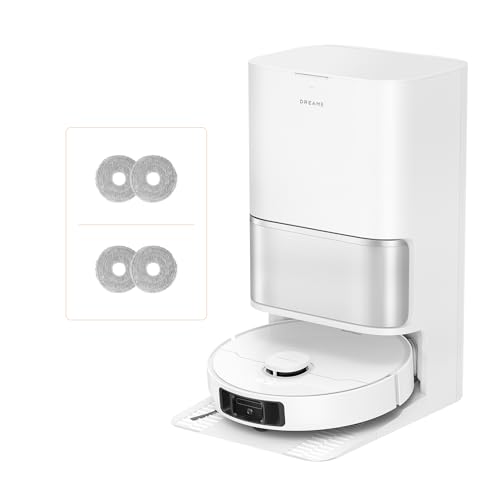
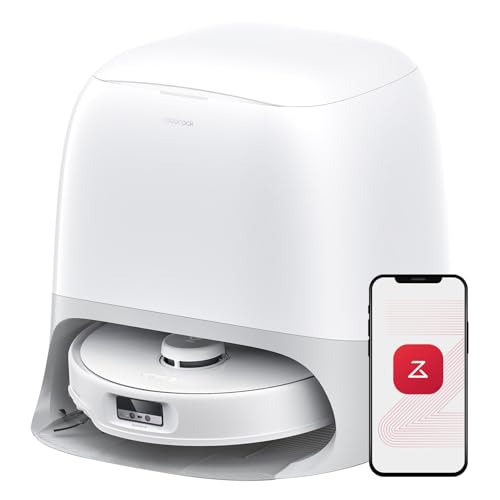
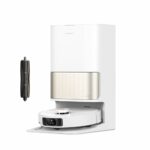
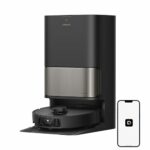
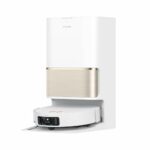
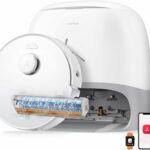
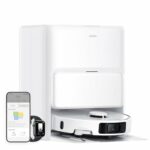
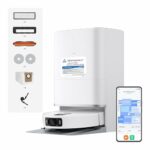
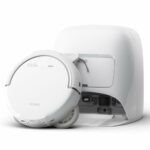
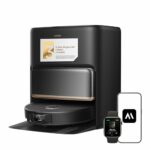
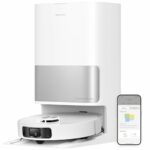
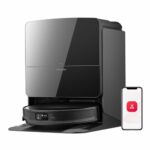
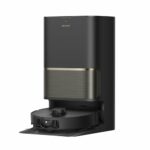
The Dreame L10s Ultra Gen 3 and the Roborock Qrevo Curv represent two distinct approaches to high-end robotic cleaning. The Dreame model, launched in November 2025, brings impressive suction power and a third-generation self-cleaning system to the table. The Qrevo Curv from 2024 focuses on intelligent navigation with dual AI cameras and advanced obstacle recognition. Both models feature multifunctional bases that wash and dry their rotating mops, making them suitable for households seeking comprehensive floor maintenance without constant manual intervention.
These aren't entry-level devices. They're designed for users who want thorough cleaning across multiple floor types and appreciate automation that extends beyond basic vacuuming. The Dreame targets those prioritising raw suction strength and larger water reservoirs, whilst the Roborock appeals to users who value sophisticated AI-driven navigation and remote monitoring capabilities.
Power and Suction
The suction gap between these models is substantial. The Dreame L10s Ultra Gen 3 delivers 25,000 Pa, which translates to noticeably stronger pickup on carpets and better performance with embedded debris. The Roborock Qrevo Curv operates at 18,500 Pa—still powerful enough for most scenarios, but less aggressive when tackling ground-in dirt or thicker rugs.
Where the Qrevo Curv compensates is in its DuoDivide anti-tangle brush system. This design channels hair towards the central suction point rather than wrapping it around the roller, reducing maintenance frequency. The Dreame uses a simpler brush design without specific anti-tangle features, which may require more frequent cleaning in homes with long hair or pets.
The Roborock lifts its main brush during mopping to prevent wet carpet contact, whilst the Dreame keeps its brush lowered throughout. This matters when you have mixed flooring and want to avoid dampening rugs inadvertently.
Both models include extendable side brushes for better edge cleaning. However, the Qrevo Curv adds an anti-tangle feature to its side brush, which the Dreame lacks. For households with abundant pet hair, this detail can reduce the time spent cutting tangled fibres from brush bristles.
Mopping
Both robots use dual rotating mops, but their approach to mopping differs in meaningful ways. The Dreame L10s Ultra Gen 3 extends its mops with a swing motion (RoboSwing), allowing better coverage along skirting boards and into corners. The Qrevo Curv extends its mops without the swinging action but offers greater lift height—between 10 and 20 mm compared to the Dreame's 10.5 mm. This extra clearance helps when transitioning over thicker carpets or raised thresholds.
The Roborock washes its mops with hot water at the base, which improves grease removal and sanitisation compared to the Dreame's cold-water washing. Both dry their mops using hot air, preventing odours and bacterial growth between cleaning sessions.
A significant advantage for the Qrevo Curv is its dirt detection capability. It monitors both mop cleanliness and floor dirtiness, automatically re-washing mops or re-mopping areas when necessary. The Dreame lacks this feedback loop, relying instead on preset cleaning patterns without adaptive adjustment.
The Dreame includes a detergent dispenser in its base, dispensing cleaning solution during mop washing. The Roborock doesn't offer this feature, so users must add detergent manually to the clean water tank if desired. In practice, this makes the Dreame slightly more convenient for maintaining consistent cleaning chemistry.
Navigation System
Both models employ LiDAR turrets for room mapping and navigation, but the Roborock Qrevo Curv takes AI integration considerably further. It features dual cameras that recognise up to 62 different obstacle types, including pets, and offers remote camera access for checking on your home whilst away. The Dreame L10s Ultra Gen 3 doesn't include any camera system, relying instead on 3D laser sensors for obstacle avoidance.
The absence of a camera in the Dreame might appeal to privacy-conscious users, but it also means less sophisticated object recognition. The Qrevo Curv can identify specific items and adjust its cleaning strategy accordingly, whilst the Dreame treats obstacles more generically.
The Roborock includes LED lighting for improved vision in dim conditions, which the Dreame lacks. This helps the camera-based system maintain accuracy when cleaning under furniture or in poorly lit areas.
The Qrevo Curv runs on Roborock's Mason 11.0 algorithm with SmartPlan 2.0 intelligence, which learns household patterns and optimises routes over time. The Dreame uses CleanGenius AI but doesn't specify its processing platform. Both systems handle multi-room mapping and zone management effectively, though the Roborock's camera advantage provides more granular control.
Battery and Autonomy
The Roborock Qrevo Curv packs a 6,400 mAh battery delivering approximately 240 minutes of runtime, whilst the Dreame L10s Ultra Gen 3 uses a 5,200 mAh cell good for around 231 minutes. The nine-minute difference is negligible in real-world use—both models handle large homes without issue.
Neither manufacturer specifies charging time, but given the battery capacities and typical charging rates, expect similar recharge durations. In practice, the automatic return-to-base function means you're unlikely to monitor charging times closely anyway.
The slightly larger battery in the Qrevo Curv doesn't translate to proportionally longer runtime, suggesting the Dreame achieves better power efficiency despite its higher suction output. This likely reflects differences in motor design and operational algorithms.
Smart Features
The Dreame L10s Ultra Gen 3 can climb obstacles up to 20 mm high, whilst the Roborock Qrevo Curv handles simple steps with adaptive wheel adjustment. The Dreame's specification suggests slightly better performance with taller thresholds or thick rug edges.
The Qrevo Curv includes its own voice assistant alongside compatibility with external services like Alexa and Google Home. The Dreame supports external voice assistants but doesn't feature a proprietary assistant. For users invested in smart home ecosystems, this distinction matters little, but those preferring manufacturer-specific integration may appreciate Roborock's approach.
Multifunction Base
Both bases handle dust extraction, mop washing, and mop drying, but their capacities and features diverge. The Dreame L10s Ultra Gen 3 offers a larger 3.2-litre dust bag compared to the Qrevo Curv's 2.5-litre capacity, meaning less frequent bag changes in dusty households.
Water tank sizes favour the Dreame as well: 4.5 litres of clean water and 4 litres for dirty water, versus the Roborock's 4-litre and 3-litre tanks respectively. This translates to longer intervals between refills and emptying, particularly useful in larger homes or when mopping extensively.
The Dreame includes third-generation self-cleaning for its washing tray, whilst the Roborock uses a 2.0 system. Both prevent mould and residue buildup, though the Dreame's newer iteration suggests incremental improvements in cleaning thoroughness.
The Dreame offers an optional plumbing connection kit (purchased separately), allowing direct water supply and drainage. The Roborock doesn't provide this option. Whilst not essential, plumbed connection eliminates manual tank maintenance entirely for those willing to install it.
Dimensions
The Dreame measures 350 mm in diameter and stands 97 mm tall, making it marginally more compact than the Qrevo Curv's 352 mm diameter and 103 mm height. That 6 mm height difference can determine whether a robot fits beneath certain furniture pieces, particularly low-profile beds or cabinets.
Base dimensions differ more dramatically. The Dreame's base measures 340 mm wide, 590 mm tall, and 457 mm deep—a relatively tall, narrow footprint. The Roborock's base is more cubic at 450 mm in all dimensions. The Dreame's design may fit better in narrow spaces or corners, whilst the Roborock's squarer profile might suit wider alcoves.
Neither robot is particularly heavy or awkward to move, though the bases require careful positioning near power outlets and, ideally, against walls for stability during docking.
Real-World Use
For homes with pets, the Roborock Qrevo Curv's anti-tangle brushes reduce maintenance frustration, though the Dreame's superior suction may compensate by removing more hair in a single pass. The Qrevo Curv's dirt detection also ensures it doesn't miss areas where pets shed heavily.
In larger properties, the Dreame's bigger water tanks mean fewer interruptions for refilling, whilst the Roborock's slightly longer battery runtime offers marginal advantages. The difference is minimal—both handle spacious homes comfortably.
The Dreame's lower profile makes it better suited to homes with low-clearance furniture. If your sofas, beds, or cabinets sit close to the floor, those extra 6 mm can expand the cleanable area significantly.
The Roborock's hot water mop washing delivers better results on greasy kitchen floors or sticky spills, whilst the Dreame's detergent dispenser simplifies adding cleaning agents for stubborn grime. The Qrevo Curv's adaptive re-mopping ensures consistently clean results without manual intervention.
Privacy-conscious users may prefer the Dreame's camera-free design, whilst those who value remote monitoring or detailed obstacle recognition will appreciate the Qrevo Curv's dual cameras and remote access.
Conclusion: Which to Choose?
Choose the Dreame L10s Ultra Gen 3 if you prioritise maximum suction power, larger water and dust capacities, or need a slimmer robot to fit under low furniture. It suits households that generate substantial dust or have expansive floor areas requiring longer cleaning sessions between base visits. The detergent dispenser and optional plumbing kit add convenience for users seeking minimal manual involvement.
Choose the Roborock Qrevo Curv if you value intelligent navigation with camera-based obstacle recognition, remote home monitoring, or hot water mop washing for better grease removal. The anti-tangle brush systems reduce maintenance in pet-heavy homes, whilst dirt detection ensures thorough cleaning without manual oversight. The greater mop lift height handles thicker carpets more gracefully.
Households with long-haired pets or family members will appreciate the Qrevo Curv's reduced brush maintenance. Those with mixed hard floors and area rugs benefit from its elevating main brush. The Dreame excels in high-traffic homes where strong suction and large tank capacities reduce upkeep frequency, particularly if you're comfortable with a camera-free system and manual detergent addition isn't a concern.