✨ VS Analyses · VacuumSpain comparison technology. Explanation created with AI from verified technical data.
Introduction
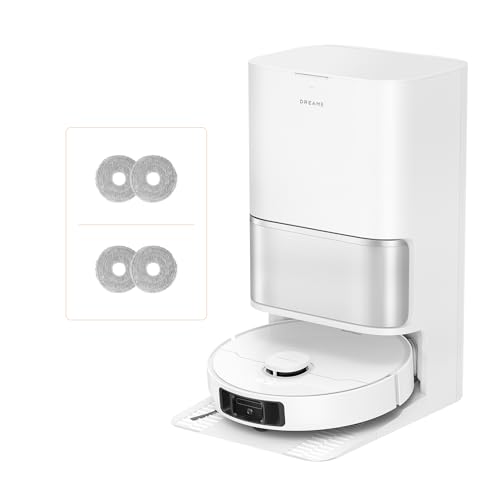
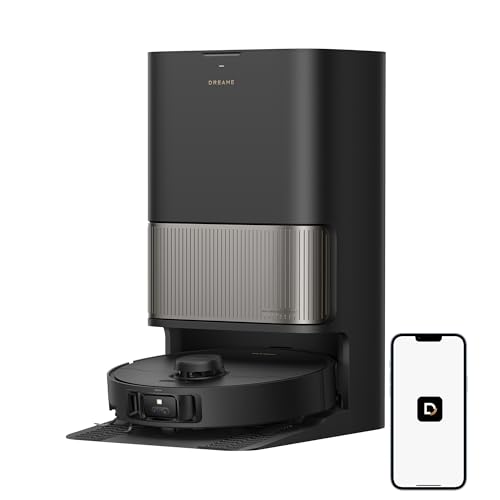
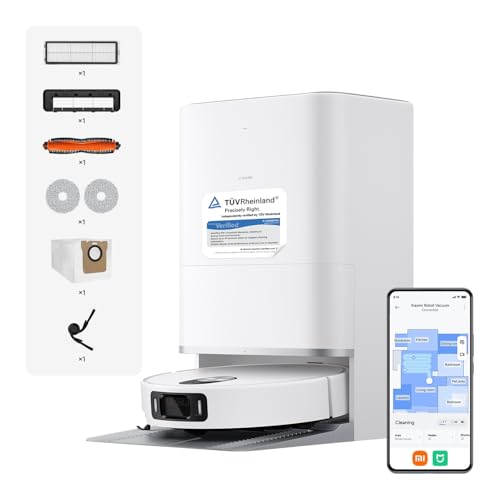
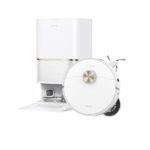
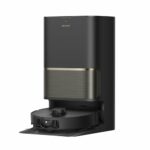
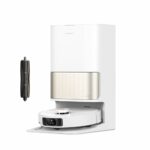
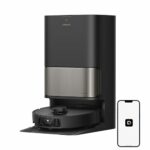
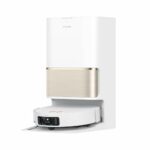
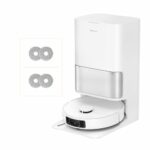
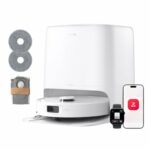
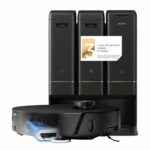
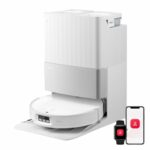
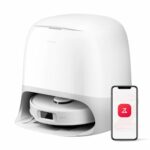
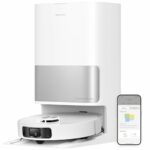
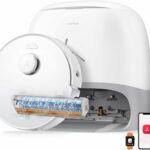
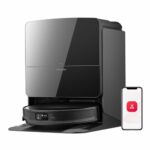
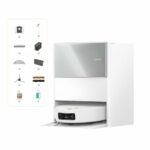
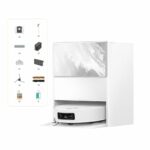
Dreame presents two very different proposals within its 2025 catalogue. The Dreame L10s Ultra Gen 3, launched in November 2025, opts for brute power with its 25,000 Pa of suction and a simplified design that prioritises vacuuming efficiency. The Dreame L40s Pro Ultra, also from 2025, adopts a more balanced approach with 19,000 Pa but incorporates advanced artificial intelligence technology and greater cleaning versatility. Xiaomi, a manufacturer that shares technology with Dreame in many aspects, offers the Robot Vacuum 5 Pro with 20,000 Pa and an especially low profile that facilitates access under furniture.
These three models represent options for users seeking complete automation with multifunctional bases. The differences between them are not minor: they range from obstacle recognition capability to the way they manage mopping and mop maintenance.
Power and Suction
Suction power marks a notable difference. The Dreame L10s Ultra Gen 3 leads with 25,000 Pa, a figure that exceeds its bigger brother by 6,000 Pa and the Xiaomi by 5,000 Pa. This difference translates into greater capacity to extract ingrained dirt from carpets or tile joints.
The brushing system shows different philosophies. The L10s Ultra Gen 3 mounts a simplified brush that reduces tangles, whilst the L40s Pro Ultra opts for a double brush that increases the contact surface. The Xiaomi integrates the TriCut 3.0 system, which combines bristles with blades to cut long hair.
Where the L40s Pro Ultra stands out is in lifting: it can raise both the main and side brush during mopping. This prevents the brushes from getting wet and contaminating the mopping water, something that neither the L10s Ultra Gen 3 nor the Xiaomi can do. All three models feature an extendable side brush to improve corner cleaning.
The side brush of the L40s Pro Ultra and the Xiaomi incorporates anti-tangle technology, a detail that facilitates maintenance in homes with long hair or pets. The L10s Ultra Gen 3 forgoes this feature on its side brush.
Mopping
All three robots use two rotating mop systems, but the execution varies. The Dreame L10s Ultra Gen 3 and the L40s Pro Ultra extend the mops using the Roboswing system, which adds a lateral movement to better reach edges. The Xiaomi also extends the mops, although without specifying this particular system.
Mop lifting presents important differences. The Xiaomi Robot Vacuum 5 Pro raises the mops up to 15 mm, sufficient to pass over most carpets without wetting them. The two Dreame models stay at 10.5 mm, a height that works well with short-pile carpets but may be tight with thicker models.
The L40s Pro Ultra introduces a function that sets it apart: it automatically removes the mops at the base when you only need to vacuum. This avoids dragging dry mops across the floor, something that can scratch delicate surfaces. Neither the L10s Ultra Gen 3 nor the Xiaomi offer this possibility.
Regarding dirt detection, the L40s Pro Ultra and the Xiaomi identify both dirt on the mops and on the floor, adjusting mopping intensity. The L10s Ultra Gen 3 lacks these sensors, which limits its adaptation capacity during mopping. All three bases wash the mops with hot water and dry them with hot air, guaranteeing hygiene and preventing bad odours.
Navigation System
Here the differences widen considerably. The Dreame L40s Pro Ultra mounts a dual camera with artificial intelligence capable of recognising up to 180 different types of obstacles. It can identify pets, detect curtains to avoid getting tangled and features LED for night vision. Remote camera access allows you to supervise cleaning from your mobile.
The Xiaomi Robot Vacuum 5 Pro also integrates a camera with AI and recognises up to 200 obstacles, even surpassing the L40s Pro Ultra in this aspect. It includes a front LED and remote camera access, although it doesn't specifically detect pets or curtains.
The Dreame L10s Ultra Gen 3 simplifies this section: it uses a traditional LiDAR turret with front 3D laser sensor, but forgoes a camera. It recognises pets through its sensors, but doesn't offer remote visual access or night LED. This configuration reduces the price but also advanced recognition capabilities.
All three models integrate intelligent cleaning systems with AI, although only the L40s Pro Ultra and the Xiaomi recognise specific stains to reinforce mopping in those areas.
Autonomy and Battery
All three robots mount 5,200 mAh batteries, but performance varies significantly. The Dreame L10s Ultra Gen 3 reaches 231 minutes of battery life, the highest figure. The L40s Pro Ultra approaches 220 minutes, whilst the Xiaomi stays at 140 minutes, almost half that of the L10s Ultra Gen 3.
This difference can be explained by the additional consumption of cameras and more complex AI systems in the L40s Pro Ultra and the Xiaomi. For large homes, the battery life of the L10s Ultra Gen 3 represents a real advantage: fewer interruptions to recharge during complete cleans.
Smart Functions
The ability to overcome obstacles is similar in the L10s Ultra Gen 3 and the Xiaomi: both can overcome thresholds up to 20 mm. The L40s Pro Ultra doesn't specify a specific height, but indicates it can overcome simple thresholds.
The L40s Pro Ultra incorporates its own voice assistant, allowing you to give it commands directly without going through Alexa or Google Home. The other two models only work with external assistants, although this integration works smoothly in all three cases.
Multifunctional Cleaning Base
All three bases offer auto-emptying of the dust bin, washing with hot water and drying with hot air. Self-cleaning of the washing tray is present in all, with both Dreame models specifying that they use third-generation technology.
Water tanks are more generous in the Dreame models: 4.5 litres of clean water and 4 litres of dirty water, compared to the 4 and 3.8 litres of the Xiaomi. The dust bag is also larger in the Dreame models: 3.2 litres versus 2.5 litres. These differences are noticeable in maintenance: fewer trips to empty and refill tanks.
Only the two Dreame models include an integrated detergent tank, which automatically dispenses during mop washing. The Xiaomi requires manually adding detergent to the clean water tank if you wish to use it.
Both Dreame models offer an optional plumbing connection kit, which is purchased separately. This option eliminates the need to manually refill and empty tanks, although it requires installation near water taps and drainage.
Dimensions
The diameter is identical in all three: 350 mm. Height marks important functional differences. The Xiaomi Robot Vacuum 5 Pro measures only 88 mm, which greatly facilitates access under low furniture, sofas or beds with little space. The Dreame L10s Ultra Gen 3 reaches 97 mm, still a contained height. The L40s Pro Ultra is the tallest at 103.8 mm, limiting its ability to slip under low-profile furniture.
The bases present similar dimensions. The Dreame models measure 340 mm wide and around 590 mm high, with depths of 456-457 mm. The Xiaomi is slightly wider (360 mm) and deeper (470 mm), but somewhat lower (572 mm). In practice, all three bases require similar spaces.
Real-World Usage Experience
For large homes, the Dreame L10s Ultra Gen 3 offers clear advantages: its 231-minute battery life allows cleaning large surfaces without intermediate recharges, and the 25,000 Pa power guarantees results on thick carpets. The absence of a camera simplifies maintenance and reduces potential technical failures.
The Dreame L40s Pro Ultra adapts better to complex homes with many obstacles, pets or need for remote supervision. The dual camera with AI avoids jams with cables, toys or pet excrement. Automatic mop removal proves practical when alternating days of vacuum-only with days of complete mopping. Brush lifting during mopping maintains system hygiene.
The Xiaomi Robot Vacuum 5 Pro stands out in homes with low furniture thanks to its 88 mm height. Recognition of 200 obstacles and the camera with remote access provide peace of mind, although the 140-minute battery life may fall short in large flats. Mop lifting up to 15 mm better protects carpets during mopping.
In homes with pets, the L40s Pro Ultra and the Xiaomi offer anti-tangle side brushes that facilitate maintenance. The L40s Pro Ultra adds specific pet recognition to avoid them during cleaning. The larger tanks of the Dreame models reduce maintenance frequency, something to consider if you spend several days away from home.
Conclusion: Which to Choose?
Choose the Dreame L10s Ultra Gen 3 if you're looking for maximum vacuuming power and extended battery life. It's the most efficient option for large homes with carpets or lots of surface to clean. The absence of a camera isn't a problem if your house is relatively tidy and you prefer a simpler robot with fewer electronic components that could fail. Its price is usually more competitive than the L40s Pro Ultra.
Choose the Dreame L40s Pro Ultra if you need the maximum level of artificial intelligence and versatility. The dual camera, advanced obstacle recognition, pet and curtain detection, automatic mop removal and brush lifting during mopping justify the investment in homes with young children, pets or many obstacles on the floor. The built-in voice assistant adds convenience in day-to-day use.
Choose the Xiaomi Robot Vacuum 5 Pro if the priority is passing under low furniture. Its 88 mm height opens possibilities that the other two cannot reach. Recognition of 200 obstacles and mop lifting up to 15 mm are strong points, although the more limited battery life and absence of a detergent tank require more attention. It works well in medium-sized flats with low-profile furniture and without need for very prolonged cleaning sessions.