✨ VS Analyze · VacuumSpain comparison technology. AI-generated explanation based on verified technical data.
Introduction
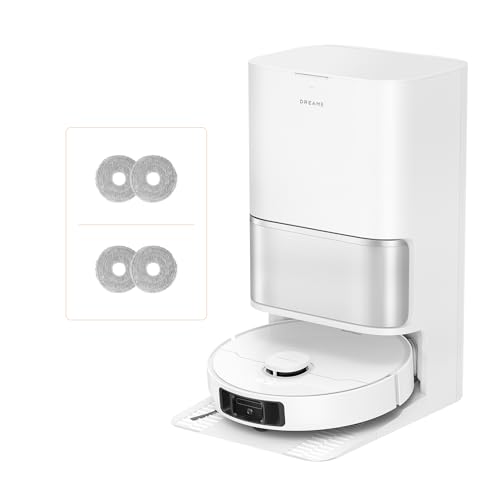
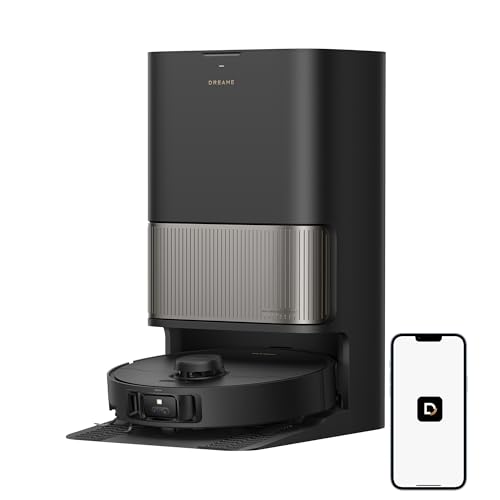
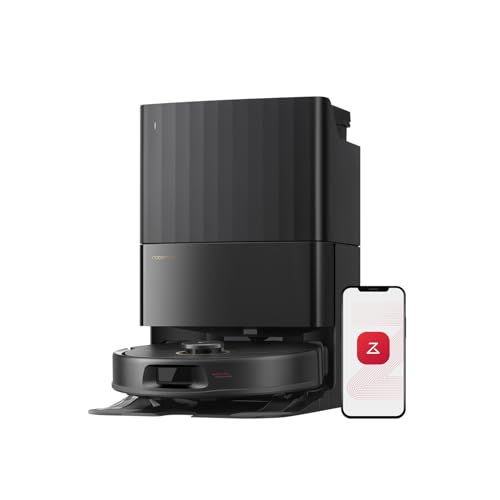
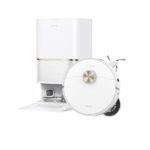
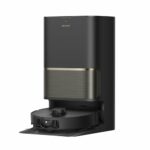
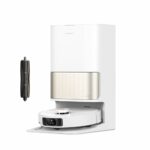
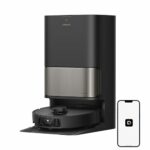
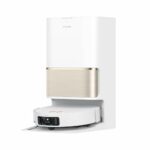
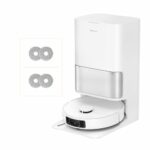
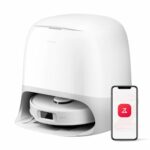
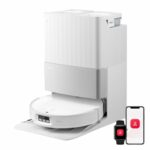
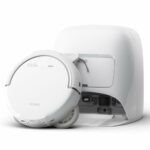
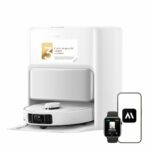
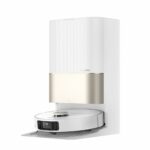
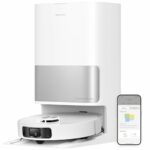
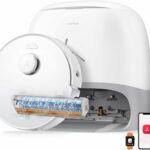
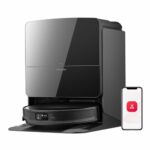
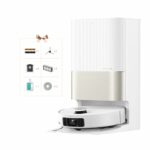
When it comes to choosing a premium robot vacuum in 2025, Dreame and Roborock continue to dominate the market with compelling options. The Dreame L10s Ultra Gen 3, launched in November 2025, represents the latest evolution in the brand's flagship series. It competes directly with the Dreame L40s Pro Ultra, another 2025 release that pushes boundaries with advanced AI capabilities. Meanwhile, the Roborock Qrevo S5V offers a different approach from the world's leading robot vacuum manufacturer, known for reliability and excellent app integration.
These three models all feature multifunctional bases that handle mop washing and drying, making them suitable for users seeking a hands-off cleaning experience. The differences lie in their technological sophistication, suction power, and intelligent features. Understanding which model fits your specific needs requires looking beyond marketing claims at the actual specifications.
Power and Suction
The suction power differences here are substantial and worth examining closely. The Dreame L10s Ultra Gen 3 achieves an impressive 25,000 Pa, making it the most powerful of the trio by a considerable margin. This represents a 32% increase over the L40s Pro Ultra's 19,000 Pa and more than double the Roborock Qrevo S5V's 12,000 Pa. In practical terms, this means the L10s Ultra Gen 3 excels at extracting embedded dirt from carpets and handling stubborn debris.
The brush configurations reveal different design philosophies. The L10s Ultra Gen 3 employs a SimpliCut anti-tangle brush, whilst the L40s Pro Ultra uses a dual brush system. The Roborock takes a unique approach with its DuoDivide anti-tangle design, which channels hair towards the central suction point to minimise tangling. For households with pets, these anti-tangle features matter considerably.
Where the L40s Pro Ultra distinguishes itself is in brush elevation technology. It can raise both the main brush and side brush during mopping, preventing clean floors from being re-contaminated with debris from the brushes. Neither the L10s Ultra Gen 3 nor the Qrevo S5V offer this capability. Both Dreame models feature extendable side brushes for improved corner cleaning, whereas the Roborock relies on a standard side brush configuration. The L40s Pro Ultra and Qrevo S5V both incorporate anti-tangle technology in their side brushes.
Mopping
All three robots utilise dual rotating mopas, but the execution differs meaningfully. The Dreame models feature Roboswing technology, which creates a swaying motion to reach slightly under furniture edges and skirting boards. The Roborock achieves border cleaning through mopa extension without this swaying movement.
Mopa elevation capabilities are nearly identical, with the Dreame pair lifting 10.5 mm and the Roborock managing 10 mm. This proves sufficient for transitioning onto most low-pile rugs without dragging wet mopas across them.
The L40s Pro Ultra introduces two genuinely useful innovations. First, it can automatically remove its mopas at the base when you only want vacuuming, eliminating the manual hassle of detaching them. Second, it incorporates dirt detection sensors that identify heavily soiled areas on both the floor and the mopas themselves, triggering additional cleaning passes or mopa rewashing as needed. These features are absent on the other models.
At the base station, both Dreame units wash mopas with hot water at 70°C and dry them using warm air, which helps prevent odours and bacterial growth. The Roborock also employs hot water washing at 60°C with warm air drying. All three include third-generation automatic cleaning of the washing tray itself, except the Roborock lacks this self-cleaning feature entirely. This means the Roborock's base requires more frequent manual cleaning to prevent buildup.
Navigation System
LiDAR navigation forms the foundation for all three robots, ensuring accurate room mapping and efficient cleaning paths. The differences emerge in obstacle avoidance sophistication.
The L40s Pro Ultra stands apart with dual AI cameras that enable remote viewing through the app, effectively turning the robot into a mobile home security device. It also features LED lighting for night vision, allowing it to navigate and monitor in darkness. This model recognises an extraordinary 180 different obstacle types, including specific detection for curtains to avoid entanglement. The camera system identifies pets, useful for checking on animals whilst away.
The L10s Ultra Gen 3 takes a simpler approach with 3D laser sensors for obstacle detection but no camera system. It still recognises pets through its sensors, though without visual confirmation. The Roborock Qrevo S5V uses sensor-based obstacle avoidance without cameras or pet recognition capabilities.
For privacy-conscious users, the absence of cameras on the L10s Ultra Gen 3 and Qrevo S5V might actually be preferable. The sensor-based systems still navigate effectively without introducing potential security concerns associated with internet-connected cameras.
Battery and Autonomy
Battery capacity is identical across all three models at 5,200 mAh, but runtime differs due to varying power consumption. The L10s Ultra Gen 3 achieves 231 minutes of operation, the longest amongst the group. The L40s Pro Ultra manages 220 minutes, whilst the Roborock Qrevo S5V provides 180 minutes.
These differences likely stem from the additional power requirements of the L40s Pro Ultra's cameras and the Qrevo S5V's less efficient power management. In practical terms, the L10s Ultra Gen 3's extended runtime means it can cover larger floor areas in a single session without returning to recharge mid-clean. This proves particularly valuable in homes exceeding 150 square metres.
Intelligent Features
All three robots can climb obstacles up to 20 mm, with one notable exception: the L40s Pro Ultra can handle single-step transitions, suggesting enhanced climbing capability beyond the standard 20 mm threshold. This allows it to move between rooms with slight elevation changes more reliably.
The L40s Pro Ultra includes a built-in voice assistant, allowing direct voice commands to the robot without requiring Alexa or Google Home integration. The other models support external voice assistants but lack their own onboard systems. This might appeal to users who prefer not to rely on third-party smart home ecosystems.
Multifunctional Cleaning Base
The base stations share fundamental capabilities but differ in details that affect long-term convenience. Both Dreame bases feature 3.2-litre dust bags compared to the Roborock's 2.7-litre capacity. Whilst this difference seems modest, it translates to approximately 15% fewer bag changes over time.
Water tank sizes favour the Dreame models with 4.5-litre clean water and 4-litre dirty water capacities. The Roborock holds 4 litres clean and 3.5 litres dirty. For larger homes, these larger reservoirs mean less frequent refilling and emptying, particularly during intensive mopping sessions.
A significant distinction involves detergent dispensing. Both Dreame bases include dedicated detergent tanks that automatically add cleaning solution during mopa washing, enhancing cleaning effectiveness. The Roborock lacks this feature entirely, relying solely on water. Additionally, the Dreame models offer optional plumbing connection kits (purchased separately) for truly hands-free water management, though this requires installation and isn't included as standard.
The self-cleaning base tray feature appears on both Dreame units but not the Roborock. This means the Roborock's washing tray accumulates residue faster and demands regular manual cleaning to maintain hygiene and prevent odours.
Dimensions
Robot height matters when navigating under furniture. The Roborock Qrevo S5V measures 96.5 mm tall, making it the lowest profile option and most capable of accessing beneath low-clearance sofas and beds. The L10s Ultra Gen 3 stands at 97 mm, virtually identical in practical terms. The L40s Pro Ultra rises to 103.8 mm, which might prevent it from reaching spaces the others can access.
Diameter is nearly uniform, with the Dreame models at 350 mm and the Roborock at 353 mm. These marginal differences won't affect manoeuvrability in typical homes.
Base station footprints tell a different story. The Roborock base is noticeably more compact in height at 521 mm versus 590 mm for the Dreame units, making it easier to position under counters or in tighter spaces. However, it extends deeper at 487 mm compared to approximately 457 mm for the Dreame bases. Depending on your available floor space, either configuration might prove more suitable.
Real-World Usage Experience
For large homes exceeding 200 square metres, the L10s Ultra Gen 3's combination of exceptional suction power and extended 231-minute runtime makes it particularly effective. It can complete whole-home cleaning in a single session whilst maintaining strong performance on both hard floors and carpets.
Pet owners face a choice between raw power and intelligent features. The L10s Ultra Gen 3's 25,000 Pa suction excels at extracting pet hair from carpets, whilst the L40s Pro Ultra's camera system allows checking on pets remotely and its dirt detection ensures thorough cleaning of areas where pets spend time. The anti-tangle brush systems on all three models help manage pet hair, though designs differ.
Homes with varied flooring benefit from the L40s Pro Ultra's brush elevation and dirt detection capabilities. It adapts its cleaning approach based on surface type and soil levels, whilst the automatic mopa removal prevents dragging wet pads onto carpets unnecessarily.
For users prioritising hands-off operation, the Dreame models' detergent dispensers and larger water tanks reduce maintenance frequency. The optional plumbing kits take this further, though they require installation investment. The self-cleaning base trays also minimise manual intervention compared to the Roborock.
Privacy-focused households might prefer the L10s Ultra Gen 3 or Qrevo S5V, which achieve excellent navigation and obstacle avoidance without cameras. The sensor-based systems prove reliable without introducing potential security concerns.
Conclusion: Which to Choose?
Choose the Dreame L10s Ultra Gen 3 if you want the absolute strongest suction power available, have large floor areas requiring extended runtime, prefer camera-free operation for privacy reasons, or need maximum carpet cleaning performance. It offers exceptional value for homes with significant carpeted areas or heavy debris challenges.
Choose the Dreame L40s Pro Ultra if you value advanced AI features like remote camera access and voice assistant integration, want automatic mopa removal for vacuum-only sessions, need intelligent dirt detection for adaptive cleaning, or appreciate the convenience of brush elevation technology. It suits tech-enthusiast households willing to pay premium pricing for cutting-edge features.
Choose the Roborock Qrevo S5V if you need the most compact robot profile for accessing low-clearance furniture, prefer a shorter base station that fits tighter spaces, trust Roborock's reputation for reliability and app quality, or want solid performance without unnecessary technological complexity. It represents a dependable choice from the market leader, though it sacrifices some advanced features present in the Dreame models.