✨ VS Analyses · VacuumSpain comparison technology. Explanation created with AI from verified technical data.
Introduction
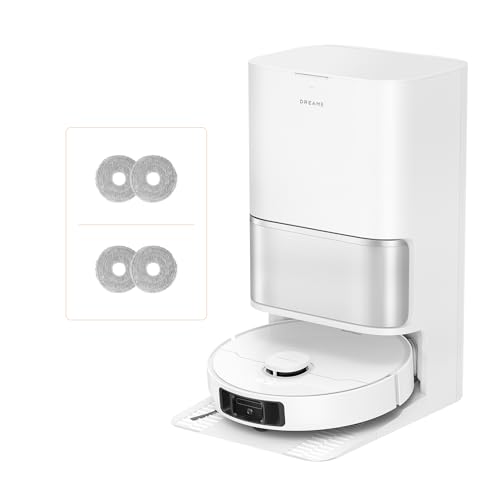
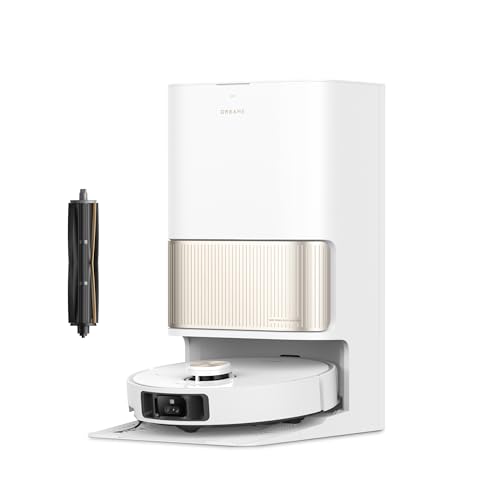
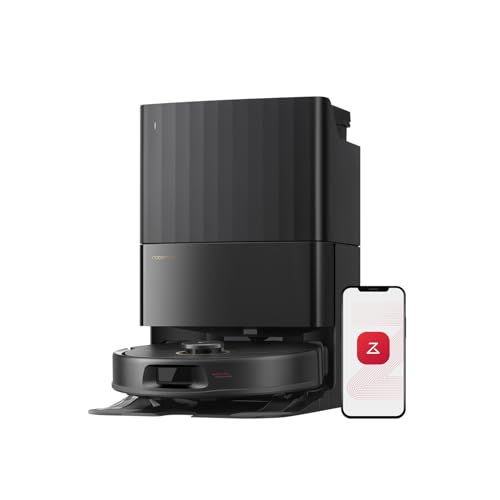
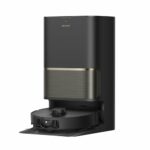
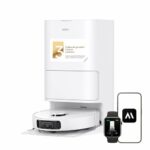
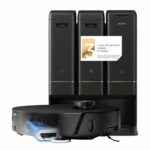
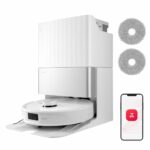
The Dreame L10s Ultra Gen 3, Dreame L40 Ultra, and Roborock Qrevo S5V represent three distinct approaches to high-end robotic cleaning. The L10s Ultra Gen 3 arrived in November 2025 as Dreame's latest iteration, whilst the L40 Ultra launched in 2024 as a flagship model. Roborock's Qrevo S5V entered the market in 2025, bringing the brand's renowned reliability to this segment.
All three feature multifunctional bases that handle autoemptying, mop washing, and drying—essential for maintaining genuinely clean floors without constant user intervention. The Dreame models share similar dimensions and tank capacities, whilst the Roborock takes a slightly different approach with its proprietary technologies. These aren't entry-level machines; they're designed for households seeking comprehensive automated cleaning with minimal maintenance.
Suction Power and Brushwork
The suction differential here is remarkable. The L10s Ultra Gen 3 delivers 25,000 Pa—more than double what the L40 Ultra (11,000 Pa) and Qrevo S5V (12,000 Pa) offer. In practical terms, this translates to superior performance on carpets and rugs, particularly when dealing with embedded debris or pet hair ground into fibres.
Brush technology varies considerably. The L10s Ultra Gen 3 employs a SimpleCut design, whilst the L40 Ultra uses TriCut 3.0—combining bristles with integrated blades that slice through tangled hair. Roborock's DuoDivide system takes a different approach, channelling hair towards the central suction point rather than cutting it. For households with long-haired occupants or pets, these design differences matter.
The L40 Ultra stands alone in raising its main brush 10.5mm during mopping. This prevents wet debris from contaminating the brush and ensures the robot doesn't drag dirt across damp floors. Similarly, only the L40 Ultra lifts its side brush whilst mopping, preventing streaks along skirting boards. The L10s Ultra Gen 3 and Qrevo S5V lack these refinements.
All three extend their side brushes for better corner coverage, except the Qrevo S5V, which uses a fixed brush. The L40 Ultra's side brush also benefits from anti-tangle design, as does the Qrevo S5V's—though the L10s Ultra Gen 3 misses this feature.
Mopping Systems
Each model uses dual rotating mopas that extend to reach edges more effectively. The Dreame units incorporate Roboswing—a movement pattern that nudges mopas slightly under furniture edges and plinths. The Qrevo S5V extends its mopas but doesn't employ this technique.
Mopa elevation reaches 10.5mm on both Dreame models, compared to 10mm on the Qrevo S5V. Whilst half a millimetre sounds trivial, it can determine whether the robot successfully crosses certain thresholds or low-pile rugs without dragging wet mopas across them.
The L40 Ultra introduces dirt detection for both floors and mopas. When sensors identify particularly soiled areas, the robot refregados those zones automatically. It also monitors mopa cleanliness, returning to the base for rewashing when necessary. Neither the L10s Ultra Gen 3 nor the Qrevo S5V offer this adaptive cleaning.
Another exclusive feature: the L40 Ultra automatically dismounts its mopas at the base when you schedule vacuuming-only sessions. This prevents unnecessary wear on the mopping system and avoids dragging dry mopas across floors. The other two require manual mopa removal for this purpose.
All three wash mopas with hot water and dry them using warm air—critical for preventing bacterial growth and unpleasant odours between cleaning cycles.
Navigation Intelligence
LiDAR navigation features across all three, providing accurate room mapping and efficient path planning. The L10s Ultra Gen 3 and L40 Ultra both incorporate 3D laser sensors at the front for enhanced obstacle detection, whilst the Qrevo S5V relies on its LiDAR and other sensors without this additional layer.
The L40 Ultra distinguishes itself with dual AI cameras. This enables recognition of up to 100 different obstacle types, far exceeding what laser-based systems alone can achieve. The cameras also allow remote access, letting you check on your home through the robot's perspective—useful for monitoring pets or verifying the robot hasn't become stuck.
LED lighting accompanies the L40 Ultra's cameras, enabling effective vision even in darkened rooms. Neither the L10s Ultra Gen 3 nor the Qrevo S5V include cameras or lighting.
Pet recognition appears on both Dreame models, helping them navigate around animals and their accessories. The Qrevo S5V doesn't specifically highlight this capability. The L40 Ultra goes further with curtain detection, preventing the robot from becoming entangled in floor-length drapes—a surprisingly common issue that the other models don't address.
The L40 Ultra runs AI Sage 11.0 processing, though specific chipset details for the other two remain unspecified in the available data.
Battery Performance
All three house identical 5,200 mAh batteries, yet runtime varies noticeably. The L10s Ultra Gen 3 achieves 231 minutes—enough for extensive coverage in larger homes. The L40 Ultra manages 194 minutes, whilst the Qrevo S5V provides 180 minutes.
The L10s Ultra Gen 3's superior runtime likely stems from its lack of cameras and simpler processing demands, despite its higher suction power. In practice, even the shortest runtime here suffices for most homes, as all three automatically return to base for recharging before resuming unfinished areas.
Smart Capabilities
Obstacle climbing reaches 22mm on the L40 Ultra, compared to 20mm on both the L10s Ultra Gen 3 and Qrevo S5V. That extra 2mm can mean the difference between smoothly mounting a door threshold and requiring manual intervention.
The L40 Ultra incorporates its own voice assistant, allowing direct communication without external smart home systems. All three integrate with Alexa and Google Home, but having an onboard assistant adds convenience for quick commands.
Multifunction Base
All three bases handle the fundamentals: autoemptying dust, washing mopas with hot water, and drying them with warm air. Dust bag capacity reaches 3.2 litres in both Dreame units, versus 2.7 litres in the Qrevo S5V—translating to slightly longer intervals between bag changes.
Water tank sizes favour the Dreame models: 4.5 litres clean and 4 litres dirty, compared to 4 litres clean and 3.5 litres dirty in the Roborock. For larger homes, this means fewer refills during extended cleaning sessions.
The L10s Ultra Gen 3 features third-generation tray self-cleaning, the L40 Ultra has second-generation, and the Qrevo S5V lacks this entirely. This system automatically cleans the base's washing tray, reducing manual maintenance requirements.
Detergent dispensers appear only in the Dreame bases, automatically adding cleaning solution during mopa washing. The Qrevo S5V requires manual detergent addition if desired.
Both Dreame models offer optional plumbing connection kits (sold separately), eliminating the need to manually fill and empty water tanks. The Qrevo S5V doesn't support this option.
Physical Dimensions
The robots measure similarly: 350mm diameter for both Dreame units, 353mm for the Qrevo S5V. Height varies more significantly. The Qrevo S5V sits lowest at 96.5mm, followed by the L10s Ultra Gen 3 at 97mm, with the L40 Ultra reaching 103.8mm. That 7mm difference between the Roborock and the L40 Ultra can determine whether the robot fits beneath certain furniture.
Base footprints remain comparable in width (340mm across all three) but differ in height and depth. The Qrevo S5V's base stands 521mm tall versus 590mm+ for the Dreame units, though it extends deeper at 487mm compared to approximately 457mm for the Dreame bases. Consider available floor space and whether the base will fit under counters or in cupboards.
Real-World Application
The L10s Ultra Gen 3 suits those prioritising raw suction power and extended runtime. Its 25,000 Pa makes light work of thick carpets and embedded dirt, whilst the 231-minute battery handles expansive properties without interruption. The third-generation tray cleaning reduces maintenance further. However, it lacks the adaptive intelligence and camera-based features found elsewhere.
The L40 Ultra targets users wanting comprehensive automation with minimal intervention. Dirt detection ensures thorough cleaning without manual spot treatment. Automatic mopa dismounting, camera monitoring, and advanced obstacle recognition reduce the need for pre-cleaning preparation. The raised brushes during mopping prevent cross-contamination. This model demands the least user involvement.
The Qrevo S5V appeals to those familiar with Roborock's ecosystem who value the brand's reputation for reliability. Its DuoDivide brush excels with hair management, and the lower profile helps it navigate under more furniture. The absence of detergent dispensing, tray self-cleaning, and camera features positions it as a more straightforward option, though still highly capable.
For homes with pets, the L40 Ultra's dirt detection and camera-based navigation offer advantages, though the L10s Ultra Gen 3's superior suction handles embedded pet hair more aggressively. The Qrevo S5V's anti-tangle brushes help, but it lacks specific pet recognition.
Conclusion: Which to Choose?
Choose the Dreame L10s Ultra Gen 3 if maximum suction power matters most to you. The 25,000 Pa excels on carpets and with stubborn debris. The extended 231-minute runtime suits larger properties, and third-generation tray cleaning minimises maintenance. This works well for homes with thick carpets or extensive floor areas where raw cleaning power takes priority over adaptive features.
Choose the Dreame L40 Ultra if you want the most intelligent, hands-off experience available here. Dirt detection adapts cleaning intensity automatically, cameras enable remote monitoring and superior obstacle avoidance, and automatic mopa dismounting means you needn't manually intervene for different cleaning modes. The raised brushes during mopping prevent contamination. This suits busy households, those with complex floor plans, or anyone wanting to minimise pre-cleaning preparation.
Choose the Roborock Qrevo S5V if you value proven reliability and need a robot that fits beneath low-clearance furniture. At 96.5mm tall, it accesses spaces the others cannot. The DuoDivide brush handles hair effectively, and Roborock's established reputation provides confidence. This appeals to those who prefer straightforward, dependable operation without the complexity of camera systems or advanced AI features, particularly if furniture clearance is a concern.